

Introduction
Back pain can significantly impact your daily life, affecting your ability to work, exercise, and even sleep comfortably. Fortunately, physiotherapy offers a non-invasive and holistic approach to managing and alleviating back pain. Let's delve into the various physiotherapy techniques and exercises tailored to provide relief and improve your quality of life.
Understanding Back Pain and Its Causes
Before exploring physiotherapy interventions, it's essential to understand the underlying causes of back pain. Whether it's due to muscle strain, spinal abnormalities, or poor posture, identifying the root cause is crucial for developing an effective treatment plan.
Addressing Muscle Imbalances
Muscle imbalances, often caused by sedentary lifestyles or repetitive movements, can contribute to back pain. Physiotherapy aims to correct these imbalances through targeted exercises that strengthen weak muscles and stretch tight ones, restoring balance and reducing pain.
Improving Spinal Alignment
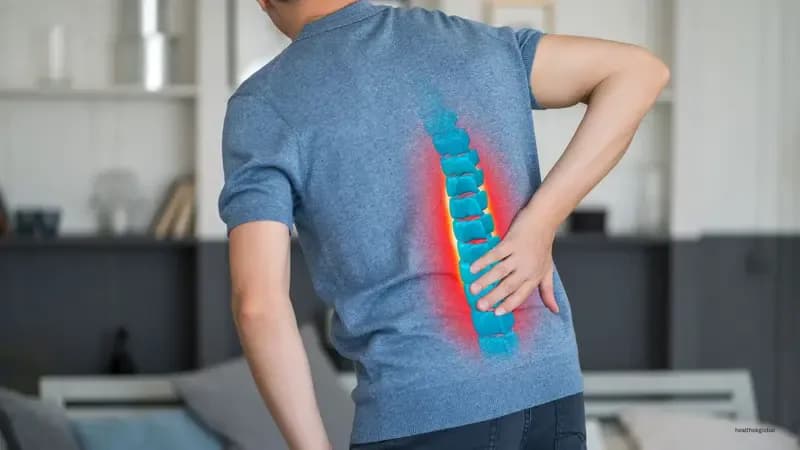
Poor spinal alignment, such as excessive curvature or misalignment of vertebrae, can lead to chronic back pain. Physiotherapy techniques, including manual therapy and spinal manipulation, help realign the spine, alleviate pressure on nerves, and reduce pain and discomfort.
Enhancing Core Stability
A strong core provides essential support for the spine, reducing the risk of back injuries and promoting proper posture. Physiotherapy exercises focus on strengthening the muscles of the abdomen, pelvis, and lower back, enhancing core stability and reducing strain on the spine.
Promoting Flexibility and Mobility
Maintaining flexibility and mobility is crucial for preventing and managing back pain. Physiotherapy incorporates stretching exercises and mobility drills to improve joint range of motion, reduce stiffness, and enhance overall flexibility, promoting pain-free movement.
Physiotherapy Techniques for Back Pain Relief
Physiotherapists employ a variety of techniques to address back pain and promote healing. These may include:
Manual therapy techniques, such as massage, joint mobilization, and soft tissue manipulation, help alleviate muscle tension, improve circulation, and reduce pain and inflammation in the affected area.
Manual Therapy:
Customized exercise programs tailored to your specific needs can strengthen muscles, improve flexibility, and correct posture, reducing the risk of future back pain episodes and promoting long-term relief.
Exercise Therapy:
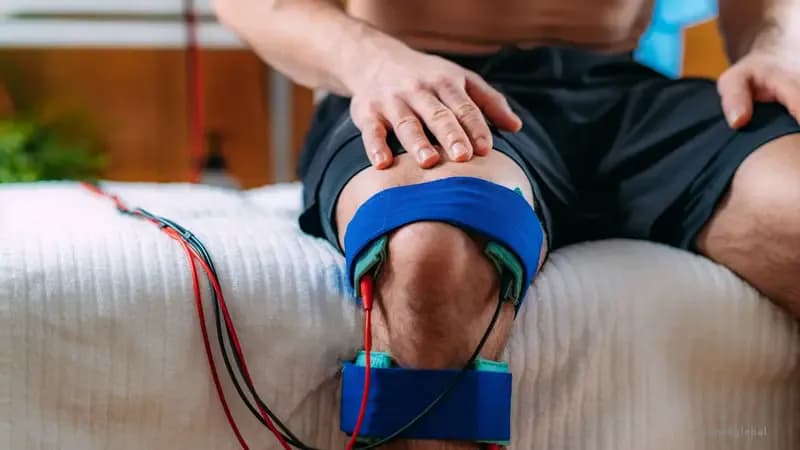
Electrotherapy modalities, such as ultrasound, transcutaneous electrical nerve stimulation (TENS), and electrical muscle stimulation (EMS), can help manage pain, reduce inflammation, and promote tissue healing.
Electrotherapy Modalities:
Application of heat packs or cold packs to the affected area can provide temporary relief from back pain by reducing muscle spasms, numbing the area, and improving blood flow to promote healing.
Heat and Cold Therapy:
Lifestyle Modifications for Back Pain Management
In addition to physiotherapy interventions, making certain lifestyle modifications can help manage and prevent back pain:
Excess weight places additional strain on the spine and can exacerbate back pain. Adopting a healthy diet and regular exercise routine can help achieve and maintain a healthy weight, reducing the burden on your back.
Maintain a Healthy Weight:
Maintaining good posture while sitting, standing, and lifting heavy objects can help prevent back pain. Physiotherapy can provide guidance on proper posture and ergonomic principles to reduce strain on the spine.
Practice Proper Posture:
Regular physical activity, including low-impact exercises such as walking, swimming, or yoga, can strengthen muscles, improve flexibility, and support overall spine health.
Stay Active and Engage in Regular Exercise:
Getting adequate rest and practicing relaxation techniques, such as deep breathing exercises or meditation, can help reduce stress levels and alleviate muscle tension, contributing to back pain relief.
Prioritize Rest and Relaxation:
Conclusion
Physiotherapy offers a comprehensive approach to managing and alleviating back pain, addressing underlying causes, improving mobility, and enhancing overall quality of life. By incorporating physiotherapy techniques, exercises, and lifestyle modifications into your routine, you can effectively manage back pain and enjoy a pain-free, active lifestyle. Consult a qualified physiotherapist to develop a personalized treatment plan tailored to your specific needs and goals. Take proactive steps towards a healthier, pain-free back today with effective physiotherapy interventions.








Comments (0)