
Introduction
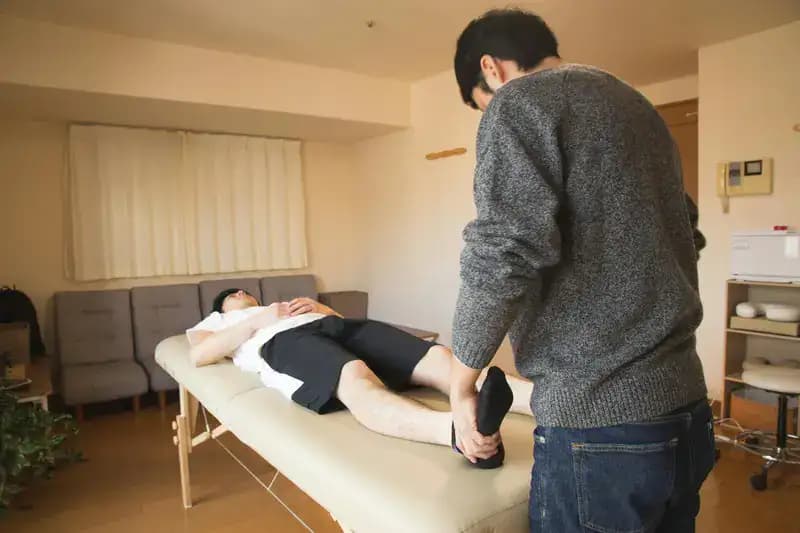
Physiotherapy home services offer a unique and beneficial approach to rehabilitation and physical therapy. These services are especially useful for individuals with mobility issues, chronic pain, or those recovering from surgery or injury. By providing care in the patient's home environment, physiotherapists can create tailored treatment plans that address specific needs and promote faster recovery.
What Are Physiotherapy Home Services?
Physiotherapy home services involve professional physiotherapists visiting patients at their homes to provide assessment, diagnosis, and treatment for various physical conditions. These services are designed to offer the same level of care and expertise as a traditional clinic but with the added convenience and comfort of home-based care. Home physiotherapy includes a range of treatments such as manual therapy, exercise programs, pain management techniques, and mobility training. The goal is to improve the patient's physical function, reduce pain, and enhance overall quality of life. By receiving treatment at home, patients can benefit from a familiar and supportive environment, which can positively impact their recovery process.
Benefits of Physiotherapy Home Services
There are numerous benefits to opting for physiotherapy home services, making them an attractive option for many patients. One of the primary advantages is the convenience of receiving care at home, eliminating the need to travel to a clinic. This is particularly beneficial for individuals with limited mobility or those who find it difficult to leave their homes due to health conditions. Home-based physiotherapy provides personalized care tailored to the patient's specific needs. Physiotherapists can assess the home environment and recommend modifications to improve safety and accessibility. This individualized approach ensures that treatment plans are effective and aligned with the patient's goals. Another significant benefit is the continuity of care. Regular visits from the same physiotherapist allow for consistent monitoring of progress and adjustments to the treatment plan as needed. This can lead to better outcomes and faster recovery compared to sporadic clinic visits.
Conditions Treated by Physiotherapy Home Services
Physiotherapy home services can address a wide range of conditions, providing effective treatment and management for various physical health issues. These services are suitable for individuals of all ages, from children to the elderly. Common conditions treated by home physiotherapy include musculoskeletal disorders such as arthritis, back pain, and joint injuries. Neurological conditions like stroke, multiple sclerosis, and Parkinson's disease can also benefit from home-based rehabilitation. Additionally, physiotherapists can assist with post-surgical recovery, helping patients regain strength and mobility after procedures such as hip or knee replacements.
How to Choose the Right Physiotherapy Home Service Provider
Selecting the right physiotherapy home service provider is crucial for ensuring high-quality care and achieving the best possible outcomes. When choosing a provider, consider factors such as the qualifications and experience of the physiotherapists. Ensure that they are licensed and have expertise in treating the specific condition you need help with. It's also important to evaluate the provider's reputation. Look for reviews and testimonials from previous patients to gauge their satisfaction with the services. A reputable provider will have positive feedback and a track record of successful treatments. Consider the range of services offered by the provider. Some may offer additional services such as occupational therapy, speech therapy, or specialized programs for specific conditions. This can be beneficial if you require comprehensive care that addresses multiple aspects of your health.
The Role of Technology in Physiotherapy Home Services
Technology plays a significant role in enhancing physiotherapy home services, making them more efficient and accessible. Virtual consultations and telehealth services have become increasingly popular, allowing physiotherapists to assess and guide patients remotely. Telehealth enables patients to receive expert advice and monitor their progress without leaving their homes. Physiotherapists can demonstrate exercises, provide feedback, and make adjustments to treatment plans through video calls. This approach is especially useful during times when in-person visits may not be possible or practical. Advanced equipment and tools are also used in home physiotherapy to enhance treatment effectiveness. Portable devices such as electrical stimulation units, ultrasound machines, and mobility aids can be brought to the patient's home, providing high-quality care that rivals traditional clinic settings.
Challenges of Physiotherapy Home Services
While physiotherapy home services offer many benefits, they also come with certain challenges that need to be addressed. One of the main challenges is ensuring consistent and effective communication between the physiotherapist and the patient. Clear communication is essential for understanding the patient's needs and providing appropriate care. Another challenge is the potential limitation of space and equipment in the home environment. Physiotherapists need to be creative and resourceful in utilizing available space and equipment to deliver effective treatment. This may involve adapting exercises or using household items to support therapy sessions. Safety is also a concern, as home environments may not always be optimized for physiotherapy. Physiotherapists must conduct thorough assessments of the home to identify potential hazards and recommend modifications to improve safety and accessibility.
Future of Physiotherapy Home Services
The future of physiotherapy home services looks promising, with advancements in technology and evolving healthcare models set to enhance the quality and accessibility of these services. Virtual reality (VR) and augmented reality (AR) are emerging as innovative tools in physiotherapy, offering immersive and interactive experiences that can improve patient engagement and outcomes. Wearable technology, such as fitness trackers and smart clothing, can provide real-time data on patient activity and progress. This information can be used by physiotherapists to tailor treatment plans and monitor compliance with prescribed exercises. As the demand for home-based care continues to grow, healthcare providers are increasingly recognizing the value of physiotherapy home services. With ongoing advancements and increased awareness, these services are set to become an integral part of comprehensive healthcare solutions.
Conclusion: Enhancing Rehabilitation with Physiotherapy Home Services
Physiotherapy home services offer a convenient and effective solution for individuals requiring rehabilitation and physical therapy. By providing personalized care in the comfort of the patient's home, these services promote faster recovery and improved quality of life. With the right provider and the integration of advanced technology, physiotherapy home services can address a wide range of conditions and meet the diverse needs of patients. As the healthcare landscape evolves, home-based physiotherapy is poised to play a crucial role in enhancing patient care and outcomes.
About Zocvi
Zocvi connects patients with verified doctors and evidence-based health guidance. Visit zocvi.com or reach us on WhatsApp at +91-92724-57637.










Comments (0)