
Introduction
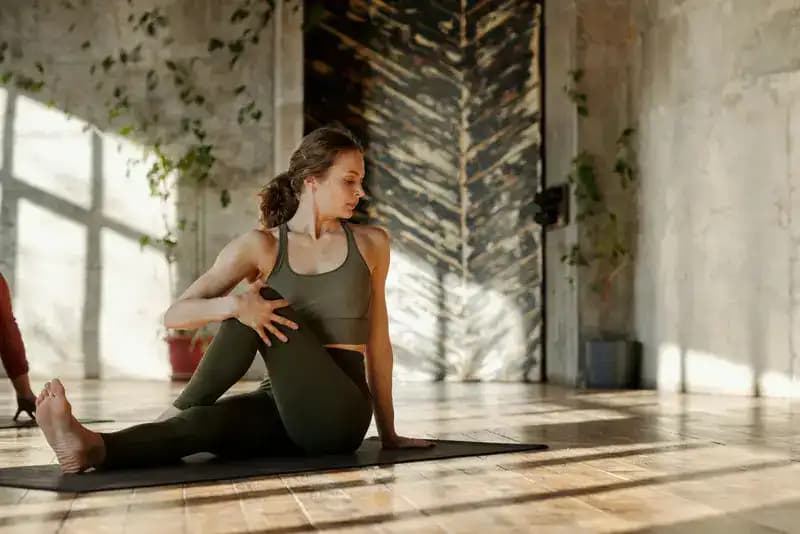
As we age, maintaining flexibility becomes increasingly important to preserve mobility, prevent injuries, and enhance overall quality of life. Regular stretching exercises are crucial for elderly individuals as they help improve range of motion, reduce muscle stiffness, and promote better posture. This article explores a variety of effective stretching exercises tailored for seniors, emphasizing safety and efficacy.
The Importance of Stretching for Elderly Individuals
Maintaining flexibility is essential for elderly individuals to perform daily activities with ease and confidence. Stretching exercises increase the range of motion in joints and muscles, making it easier to carry out movements such as bending, reaching, and walking. Improved mobility not only enhances independence but also reduces the risk of falls and related injuries.
Enhancing Flexibility and Mobility:
As we age, muscles and joints can become stiff and painful due to decreased physical activity and degenerative changes. Regular stretching helps alleviate this stiffness by increasing blood flow to the muscles and improving circulation. This, in turn, reduces muscle soreness and joint pain, allowing seniors to stay active and comfortable.
Reducing Muscle Stiffness and Pain:
Essential Stretching Exercises for Elderly
1. Sit or stand with your back straight and shoulders relaxed. 2. Slowly tilt your head to the right, bringing your ear towards your shoulder. 3. Hold the position for 15-30 seconds, then return to the starting position. 4. Repeat on the left side. 5. Perform 2-3 repetitions on each side.
Neck Stretch:
1. Stand or sit with your back straight and feet shoulder-width apart. 2. Raise your right arm and bring it across your body at chest level. 3. Use your left hand to gently pull your right arm towards your chest. 4. Hold the position for 15-30 seconds, then release. 5. Repeat with the left arm. 6. Perform 2-3 repetitions on each side.
Shoulder Stretch:
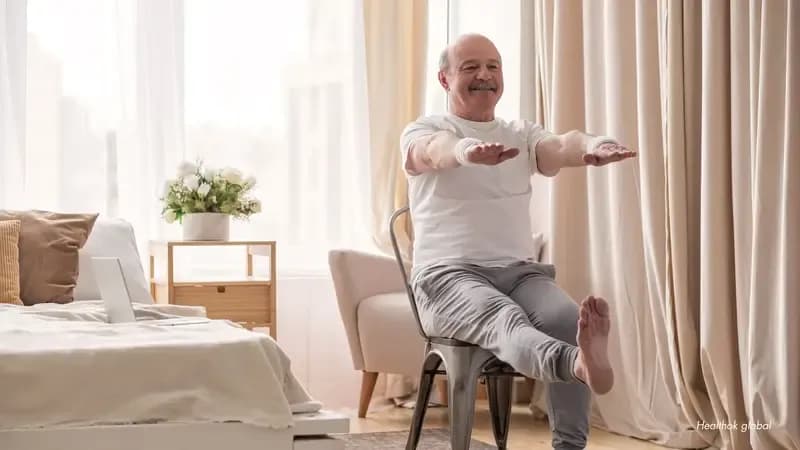
1. Sit on the edge of a chair with your feet flat on the floor. 2. Extend your right leg straight out in front of you, keeping your heel on the floor and your toes pointing upwards. 3. Gently lean forward from your hips, reaching towards your toes. 4. Hold the position for 15-30 seconds, then return to the starting position. 5. Repeat with the left leg. 6. Perform 2-3 repetitions on each side.
Seated Hamstring Stretch:
1. Start on your hands and knees in a tabletop position. 2. Inhale and arch your back, lifting your head and tailbone towards the ceiling (cow position). 3. Exhale and round your back, tucking your chin towards your chest and pulling your belly button towards your spine (cat position). 4. Repeat the sequence 10-15 times, moving slowly and gently.
Cat-Cow Stretch:
Tips for Safe Stretching
Before starting any stretching routine, it is important for elderly individuals to warm up their muscles to prevent injuries. A simple warm-up can include 5-10 minutes of light walking or marching in place to increase blood flow to the muscles and prepare them for stretching.
Warm-Up Before Stretching:
Stretching should always be done gently and slowly, especially for elderly individuals. Avoid bouncing or forcing the stretch, as this can lead to muscle strains or injuries. Focus on holding each stretch for 15-30 seconds and breathing deeply to help relax the muscles.
Stretch Gently and Slowly:
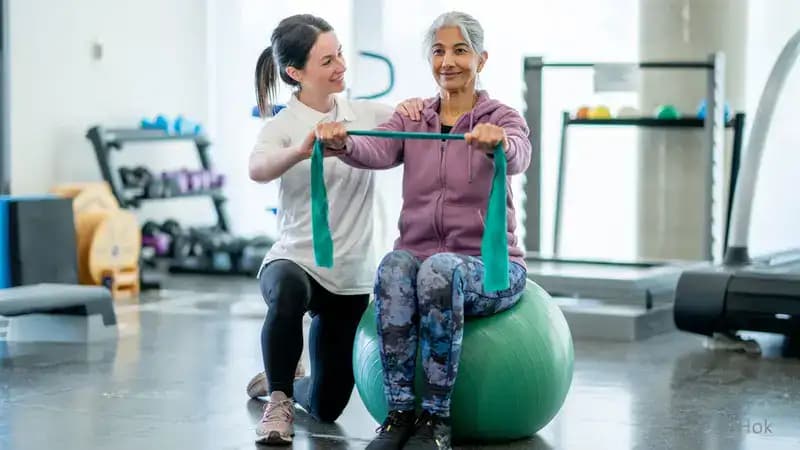
Using supportive equipment such as sturdy chairs, resistance bands, or yoga straps can enhance the effectiveness of stretches and provide additional safety. Chairs can be used for balance during standing stretches, while resistance bands can add gentle resistance to stretching exercises.
Use Supportive Equipment:
Conclusion
Stretching exercises are essential for elderly individuals to maintain flexibility, improve mobility, and reduce the risk of injuries. Incorporating simple stretches like neck stretches, shoulder stretches, seated hamstring stretches, and cat-cow stretches into their daily routine can make a significant difference in their quality of life. Always prioritize safety by warming up before stretching, performing stretches gently, and using supportive equipment. With regular practice, these exercises can help seniors stay active, independent, and pain-free.






Comments (0)