Low-Impact Exercises for Seniors: Easy Ways to Stay Active and Healthy

Low-Impact Exercises for Seniors: Easy Ways to Stay Active and Healthy

Overview

Discover low-impact exercises for seniors to improve fitness, balance, and overall health. Explore sitting exercises, cardio, and home workouts tailored for the elderly.

Introduction

Staying active is crucial for maintaining health and mobility as we age. For seniors, low-impact exercises are an excellent way to stay fit without putting excessive strain on joints or muscles. These exercises are easy to perform, improve overall well-being, and can be done at home or with minimal equipment. This guide explores the best low-impact exercises for seniors, helping you build strength, balance, and flexibility at any age.

Benefits of Low-Impact Exercises for Seniors

Engaging in low-impact exercises offers numerous advantages for seniors, such as:
Gentle movements reduce stiffness and enhance joint flexibility without causing pain or discomfort.

1. Improved Joint Health

Exercises for elderly balance help prevent falls and maintain mobility by strengthening core and leg muscles.

2. Enhanced Balance and Stability

Cardio exercises for seniors promote better heart health, circulation, and endurance.

3. Increased Cardiovascular Health

Regular activity lowers the risk of conditions like osteoporosis, diabetes, and heart disease.

4. Reduced Risk of Chronic Diseases

Exercise releases endorphins, helping reduce stress, anxiety, and symptoms of depression.

5. Boosted Mental Well-Being

Top Low-Impact Exercises for Seniors

Here are some safe and effective exercises tailored for seniors:
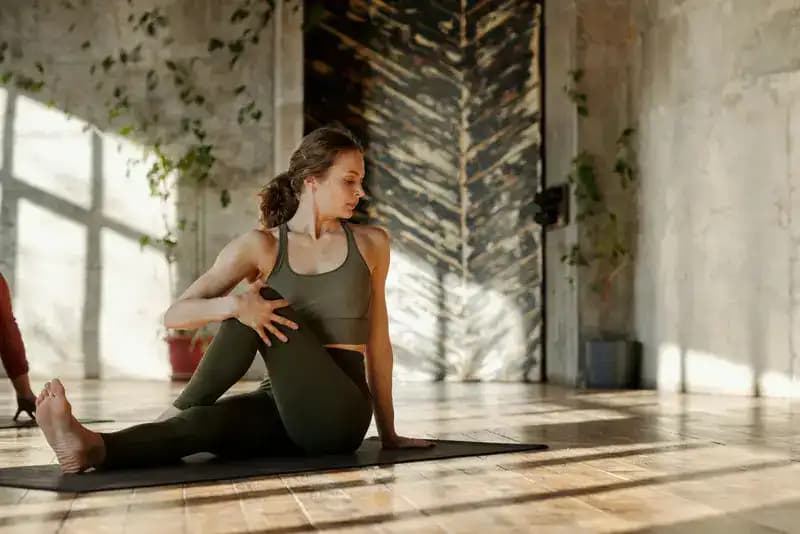
Exercises for seniors sitting, like gentle stretches and seated yoga, improve flexibility and reduce tension in muscles.

1. Chair Yoga and Stretching

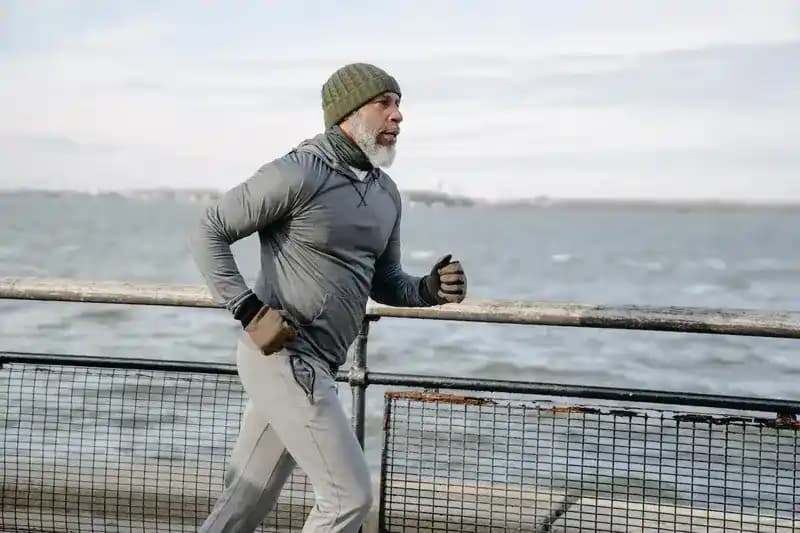
A simple yet effective activity, walking enhances cardiovascular health and boosts mood. Seniors can start with short distances and gradually increase.

2. Walking

Exercising in water provides resistance while being easy on the joints. Water aerobics improves strength, balance, and cardiovascular health.

3. Water Aerobics

Exercises for elderly balance, like standing on one foot or using a balance board, help improve stability and prevent falls.

4. Balance Exercises

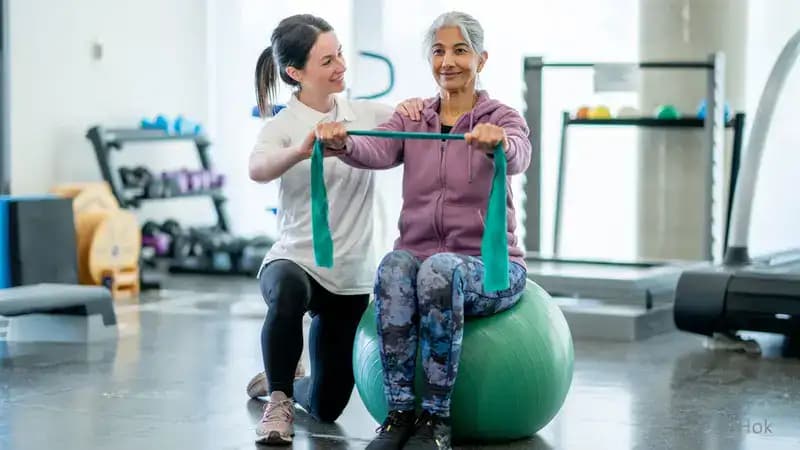
Using resistance bands is a safe way to build muscle strength and endurance without straining joints.

5. Strength Training with Resistance Bands

This ancient Chinese practice focuses on slow, deliberate movements that improve balance, flexibility, and mental calmness.

6. Tai Chi

Cardio exercises for seniors like light cycling or step aerobics promote heart health and endurance without overexertion.

7. Gentle Cardio Exercises

Exercises for Seniors at Home

For those preferring to stay indoors, exercises for elderly at home offer convenience and safety. These include:

  • Seated Marching: Lift your knees alternately while sitting to improve leg strength.
  • Wall Push-Ups: Perform push-ups against a wall to strengthen arms and shoulders.
  • Toe Tapping: Tap your toes on the floor to boost ankle flexibility and coordination.
  • Gentle Stretching: Perform head, neck, and arm stretches to relieve stiffness.

Simple Chair Exercises for Seniors

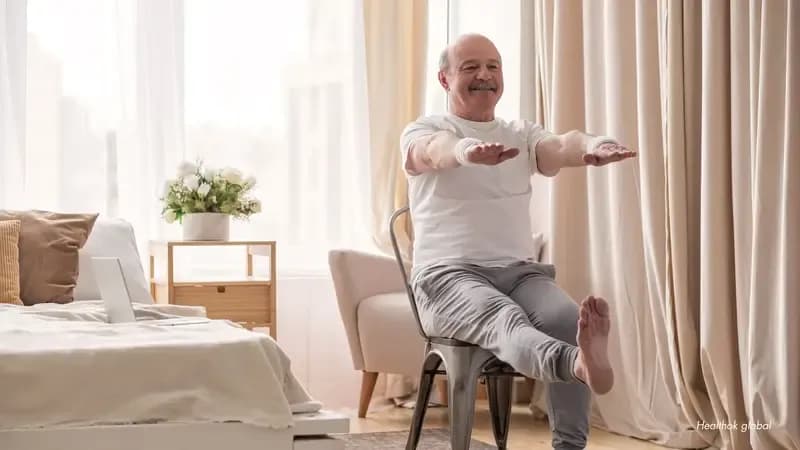
Exercises for elderly in chair are ideal for those with mobility limitations. Examples include:

  • Seated Leg Lifts: Extend one leg straight out, hold for a few seconds, then switch.
  • Arm Raises: Raise both arms overhead and slowly lower them to build shoulder strength.
  • Seated Twists: Twist your torso gently from side to side to enhance flexibility.

How to Get Started with Low-Impact Exercises

Starting a fitness routine can feel overwhelming, but these tips make it easier:
Always check with a healthcare provider to ensure the chosen exercises suit your health condition.

1. Consult Your Doctor

Begin with short sessions and low intensity, gradually increasing as your endurance improves.

2. Start Slowly

Consistency is key to reaping the benefits of exercise. Aim for at least 30 minutes of activity most days of the week.

3. Stay Consistent

Wear comfortable clothes and supportive shoes. For home exercises, use a sturdy chair and resistance bands.

4. Use Proper Equipment

FAQs About Low-Impact Exercises for Seniors

Walking, swimming, and light cycling are excellent cardio exercises for seniors, promoting heart health and endurance.

Q: What are the best low-impact cardio exercises for seniors?

Yes, exercises for seniors sitting, like seated marches and arm raises, are effective and gentle on joints.

Q: Can seniors do exercises sitting down?

Seniors should aim for 30 minutes of low-impact activity 5 days a week, with adjustments based on individual health.

Q: How often should seniors exercise?

Yes, exercises for elderly balance, like Tai Chi or standing on one foot, improve stability and reduce the risk of falls.

Q: Are balance exercises safe for elderly individuals?

Final Thoughts

Low-impact exercises for seniors provide a safe and effective way to stay active, healthy, and independent. Whether it’s chair exercises, balance training, or gentle cardio, these routines can be adapted to suit individual needs and fitness levels. Start small, stay consistent, and enjoy the benefits of an active lifestyle.


About Zocvi

Zocvi connects patients with verified doctors and evidence-based health guidance. Visit zocvi.com or reach us on WhatsApp at +91-92724-57637.

Follow Zocvi

Stay connected with Zocvi for expert health advice. Follow us on Facebook, LinkedIn, and Instagram.

Frequently Asked Questions

What are the best low-impact cardio exercises for seniors?

The four best low-impact cardio options for seniors are: (1) brisk walking (30 minutes, 5 days a week — most accessible, no equipment); (2) swimming or water aerobics (unloads joints entirely — best for arthritis); (3) stationary cycling (safer than outdoor cycling for balance-impaired seniors); (4) low-intensity dance or tai chi (adds balance training). All four raise heart rate without impact-loading knees, hips, or spine. Aim for a pace where you can talk but not sing — that's the moderate-intensity zone recommended by the American Heart Association.

Can elderly people do exercises sitting down?

Yes — chair-based exercise is safe, effective, and appropriate for seniors with balance problems, joint pain, or limited mobility. A good chair routine includes: seated marches (30 seconds each), arm circles and raises, seated leg lifts, and torso twists. Chair yoga programmes have documented benefits for arthritis, cardiovascular health, and mental well-being. Start with 10 minutes twice a day and build up to 30 minutes. Use a sturdy armless chair without wheels.

How often should seniors exercise for real health benefits?

WHO recommendations for adults over 65: at least 150 minutes of moderate-intensity aerobic activity per week (30 min × 5 days), plus muscle-strengthening exercises twice a week, and balance training three times a week. If starting from a sedentary baseline, begin with 10-minute sessions and build up gradually over 4–8 weeks. Consistency matters more than intensity — daily short sessions beat a single long weekly workout for cardiovascular and cognitive benefits.

Are balance exercises safe for elderly individuals?

Yes, and they're one of the highest-value exercises for older adults. Tai chi has the strongest evidence — it reduces fall risk by roughly a third in structured programmes. Safe balance starter exercises: standing on one foot for 10 seconds (hold a chair for support), heel-to-toe walking along a line, single-leg heel raises, and side leg raises. Always exercise near a wall or sturdy chair for support in the first weeks. Progress from supported to unsupported balance as confidence builds.

Questions About This Article

Have a question? Ask the author directly.

Have a question about this article?

Ask Zocvi Editorial directly. Your question may help others with similar concerns.

Q:1 answer
Q:1 answer
Q:1 answer
Q:1 answer

Comments (0)

Found this helpful? Share it!

LinkedInWhatsApp

More from Zocvi Editorial

Other Articles You May Like

Related Topics

Find a Doctor for Mobility & Independence

Verified specialists across India

Dr. Rishav Bansal

Geriatrician

13 yrs

Jaipur

Bansal Health Clinic
C Scheme, Jaipur, Rajasthan, 302001
₹650 consultation

Dr. Shwet Sabnis

Geriatrician

12 yrs

Mumbai

Prime Care 360 Super Speciality Clinic
Sector 24, Mumbai, Maharashtra, 400614
₹1000 consultation

Dr. Anuj S Tiwari

Geriatrician

13 yrs

Mumbai

Thunga STH Hospital
ONGC Colony, Mumbai, Maharashtra, 400056
₹1500 consultation

Dr. G S Shanthi

Geriatrician

23 yrs

Chennai

Dr. Mehta's Hospitals - Global Campus
Ottagapalayam, Chennai, Tamil Nadu, 600026
₹500 consultation