
Introduction
Ensuring the safety of elderly individuals in their homes is essential for maintaining their independence and well-being. A home safety evaluation involves a thorough assessment of the living environment to identify potential hazards and implement necessary modifications. This comprehensive guide provides detailed steps and strategies for conducting a home safety evaluation for elderly individuals, helping to create a secure and comfortable living space.
The Importance of Home Safety Evaluations
Falls are a leading cause of injury among elderly individuals. Conducting a home safety evaluation helps identify and eliminate potential tripping hazards, reducing the risk of falls. This includes addressing issues such as loose rugs, cluttered walkways, and inadequate lighting.
Preventing Falls and Injuries:
A home safety evaluation ensures that the living environment is accessible and easy to navigate for elderly individuals. This involves assessing the placement of furniture, the width of doorways, and the height of countertops and appliances. Making necessary adjustments can significantly enhance mobility and independence.
Enhancing Mobility and Accessibility:
Conducting a Room-by-Room Safety Evaluation
1. Remove Clutter and Obstacles: Keep walkways clear of furniture, cords, and other obstacles that could cause trips and falls. Organize the room to allow easy movement. 2. Secure Rugs and Carpets: Use non-slip backing or double-sided tape to keep rugs and carpets in place. Consider removing loose rugs altogether to minimize tripping hazards. 3. Improve Lighting: Ensure the room is well-lit, especially in corners and near pathways. Use bright, even lighting and consider adding motion-sensor lights for added safety.
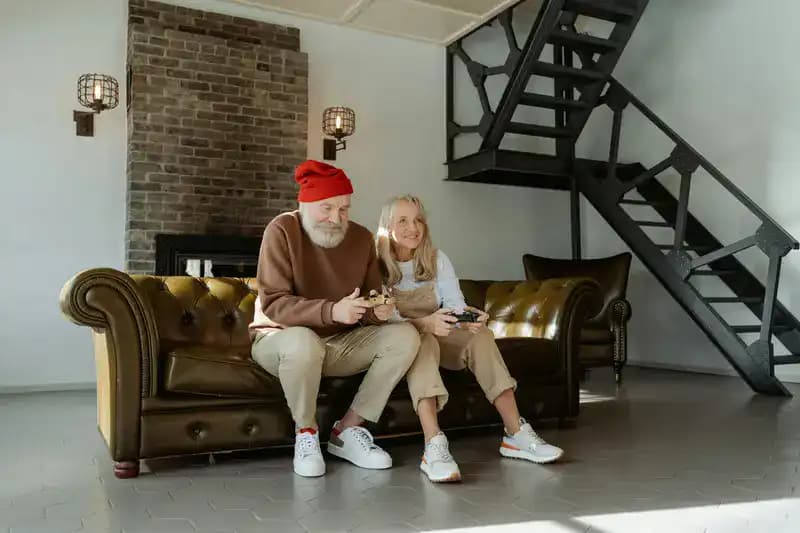
Living Room Safety:
1. Organize Storage: Keep frequently used items within easy reach to avoid unnecessary bending or stretching. Store heavy pots and pans at waist level. 2. Use Non-Slip Mats: Place non-slip mats in front of the sink and stove to prevent slipping. Ensure the floor is kept dry and clean. 3. Install Safety Devices: Ensure smoke detectors are functioning correctly. Keep a fire extinguisher within easy reach and make sure everyone knows how to use it.
Kitchen Safety:
1. Install Grab Bars and Handrails: Place grab bars near the toilet and in the shower or bathtub to provide support. Ensure they are securely installed and can bear weight. 2. Use Non-Slip Mats: Place non-slip mats in the shower, bathtub, and bathroom floor to prevent slipping. Ensure the mats are securely positioned. 3. Adjust Toilet and Shower Heights: Consider using a raised toilet seat and a shower chair to make these areas more accessible and safer.
Bathroom Safety:
1. Adjust Bed Height: Ensure the bed height allows easy access for getting in and out. Consider using bed rails for additional support. 2. Keep Essential Items Nearby: Place a nightstand within reach of the bed to keep glasses, medications, and a phone easily accessible. 3. Improve Lighting: Use nightlights to illuminate pathways and install easy-to-reach light switches.
Bedroom Safety:
General Home Safety Tips
1. Install Smoke and Carbon Monoxide Detectors: Ensure detectors are installed in key areas, including the kitchen, bedrooms, and hallways. Test them regularly and replace batteries as needed. 2. Plan an Emergency Exit Strategy: Develop and practice a fire escape plan. Ensure all exits are accessible and free from obstructions. 3. Use Appliances Safely: Avoid overloading electrical outlets and use appliances according to manufacturer instructions. Ensure space heaters are kept away from flammable materials.
Fire and Carbon Monoxide Safety:
1. Organize Medications: Use a pill organizer to keep track of daily medications. Label each compartment clearly and check for any expired medications regularly. 2. Create a Medication Schedule: Develop a schedule to remind elderly individuals when to take their medications. Use alarms or reminders to ensure adherence. 3. Store Medications Safely: Keep medications in a designated, secure place. Ensure they are stored at the correct temperature and out of reach of children.
Medication Safety:
Conclusion
A thorough home safety evaluation is essential for creating a secure and comfortable living environment for elderly individuals. By addressing potential hazards and making necessary modifications, you can significantly reduce the risk of accidents and enhance the quality of life for seniors. Regularly reassessing and updating safety measures as needed ensures ongoing protection and comfort. Prioritizing home safety helps elderly individuals maintain their independence and well-being, providing peace of mind for their families and caregivers.
About Zocvi
Zocvi connects patients with verified doctors and evidence-based health guidance. Visit zocvi.com or reach us on WhatsApp at +91-92724-57637.





Comments (0)