
Introduction
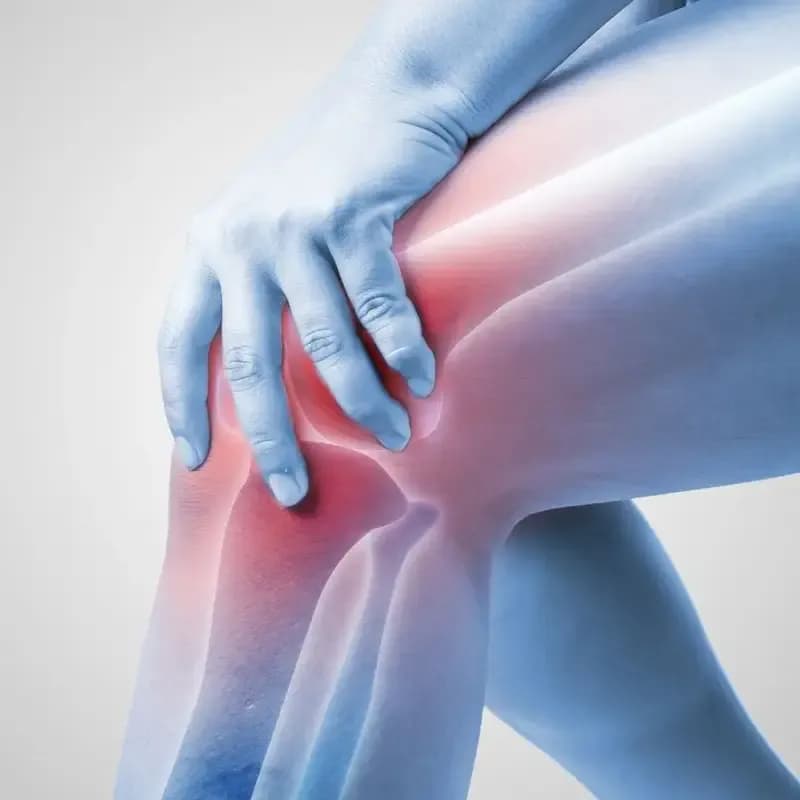
Knee pain is a common complaint that can result from various factors, including injury, overuse, arthritis, or underlying medical conditions. It can range from mild discomfort to severe pain, affecting mobility and quality of life. Understanding the underlying cause of knee pain is essential for finding effective treatment and relief.
Lifestyle Changes for Knee Pain Relief
Making lifestyle changes can help alleviate knee pain and improve joint health. Maintaining a healthy weight reduces the strain on the knees, while regular exercise strengthens the muscles around the knee joint. Avoiding activities that exacerbate knee pain and practicing good posture can also contribute to pain relief and prevention.
Home Remedies for Knee Pain
Knee pain can be debilitating, affecting mobility and overall quality of life. While medical intervention is sometimes necessary, there are also several home remedies that can help alleviate discomfort and promote healing. These natural remedies can complement medical treatment and provide relief from knee pain. Let's explore some effective home remedies for managing knee pain:
Hot and cold therapy can help reduce knee pain and inflammation. Applying a cold compress or ice pack to the affected knee for 15-20 minutes several times a day can help alleviate swelling and numb the area, providing temporary relief. Similarly, using a heating pad or taking a warm bath can help relax muscles, improve blood circulation, and ease stiffness.
1. Hot and Cold Therapy
Epsom salt contains magnesium sulfate, which has natural anti-inflammatory properties that can help reduce knee pain and swelling. Adding Epsom salt to a warm bath and soaking the affected knee for 15-20 minutes can help relax muscles, alleviate pain, and promote healing.
2. Epsom Salt Soak
Gentle exercises and stretching can help strengthen the muscles around the knee joint, improve flexibility, and reduce pain. Low-impact exercises such as swimming, cycling, and walking can help maintain mobility and strengthen the muscles without putting excessive strain on the knees. Additionally, performing knee-specific exercises and stretches recommended by a physical therapist can help improve knee function and reduce pain.
3. Exercise and Stretching
Excess weight can put additional strain on the knees, exacerbating pain and inflammation. Maintaining a healthy weight through a balanced diet and regular exercise can help reduce pressure on the knee joints and alleviate pain. Consuming a diet rich in fruits, vegetables, lean proteins, and whole grains can help support overall joint health and reduce inflammation.
4. Maintain a Healthy Weight
Turmeric and ginger are natural anti-inflammatory agents that can help reduce pain and swelling associated with knee pain. Incorporating these spices into your diet or taking them as supplements may provide relief from knee discomfort. Adding turmeric and ginger to teas, smoothies, or homemade dishes can help harness their anti-inflammatory properties.
5. Turmeric and Ginger
Using a compression bandage or knee sleeve can help stabilize the knee joint, reduce swelling, and alleviate pain. Elevating the affected knee above heart level when resting can also help reduce swelling and improve circulation, promoting faster healing and pain relief.
6. Compression and Elevation
Regular massage therapy can help improve blood flow, reduce muscle tension, and alleviate knee pain. Gentle massage techniques applied to the muscles around the knee joint can help relax tight muscles, reduce inflammation, and improve mobility. Consider consulting a licensed massage therapist for targeted knee pain relief.
7. Massage Therapy
Dietary Supplements for Knee Pain Management
Certain dietary supplements can support joint health and reduce knee pain. Glucosamine, chondroitin, and omega-3 fatty acids are commonly used supplements that may help reduce inflammation and improve joint function. Consult with a healthcare professional before starting any new supplements.
Exercise and Stretching for Knee Pain Relief
Regular exercise and stretching can help strengthen the muscles around the knee joint and improve flexibility, reducing the risk of knee pain. Low-impact exercises such as swimming, cycling, and yoga can be beneficial for individuals with knee pain. Incorporating stretching exercises that target the quadriceps, hamstrings, and calf muscles can also help alleviate knee discomfort.
When to Seek Medical Attention
While home remedies can provide relief for mild to moderate knee pain, it's essential to seek medical attention if the pain persists or worsens over time. Additionally, if knee pain is accompanied by swelling, redness, warmth, or fever, it may indicate a more serious underlying condition that requires prompt medical evaluation.
Conclusion
These home remedies offer natural and effective ways to manage knee pain and promote overall joint health. By incorporating lifestyle changes, dietary supplements, and targeted home remedies into your routine, you can find relief from knee pain and enjoy improved mobility and quality of life.
About Zocvi
Zocvi connects patients with verified doctors and evidence-based health guidance. Visit zocvi.com or reach us on WhatsApp at +91-92724-57637.










Comments (0)