Alleviating Nerve Pain After Knee Replacement Surgery

Alleviating Nerve Pain After Knee Replacement Surgery

Overview

Nerve pain after knee replacement surgery can be distressing, hindering your recovery process and diminishing your quality of life.

Introduction

Nerve pain after knee replacement surgery can be distressing, hindering your recovery process and diminishing your quality of life. However, with the right strategies and interventions, you can find relief and regain mobility. Here's how to effectively manage and alleviate nerve pain post-surgery.

Understanding Nerve Pain Post Knee Replacement

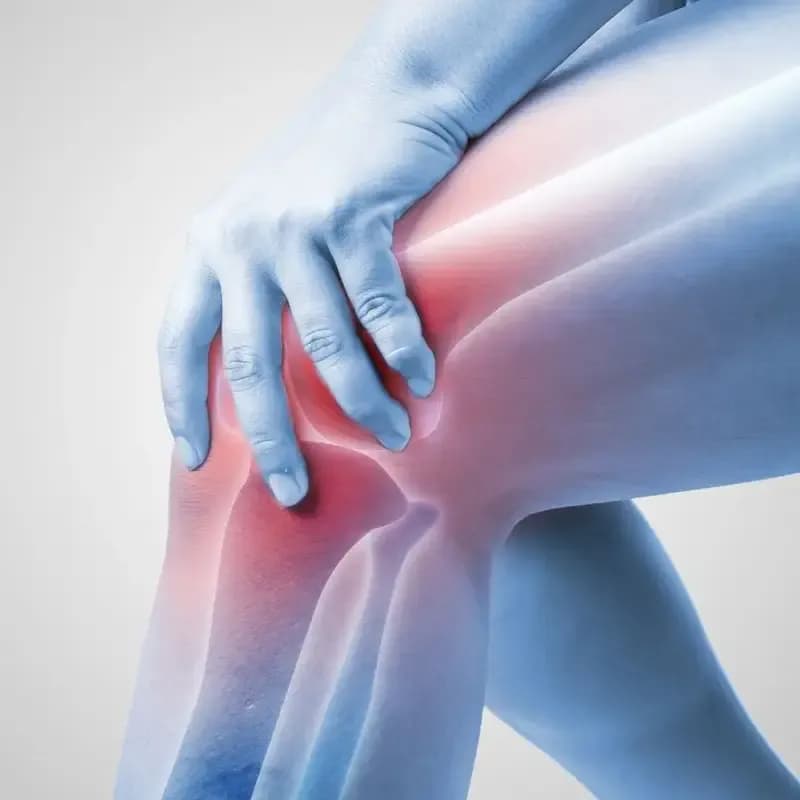
Nerve pain following knee replacement surgery is a common occurrence, often stemming from the trauma inflicted on surrounding nerves during the procedure. This pain can manifest as sharp, shooting sensations, tingling, numbness, or burning discomfort around the surgical site or along the pathway of affected nerves. One of the primary reasons for nerve pain after knee replacement is inflammation. During surgery, tissues around the knee can become inflamed, putting pressure on nerves and causing discomfort. Additionally, changes in nerve signaling and responses due to surgical trauma contribute to the sensation of pain.

Medications for Nerve Pain Relief

Medications play a crucial role in managing nerve pain after knee replacement. Your healthcare provider may prescribe nonsteroidal anti-inflammatory drugs (NSAIDs) or acetaminophen to alleviate inflammation and reduce pain. In more severe cases, nerve-specific medications like gabapentin or pregabalin may be recommended to target nerve-related discomfort effectively.

Physical Therapy and Rehabilitation

Engaging in a structured physical therapy and rehabilitation program is paramount for alleviating nerve pain and restoring function after knee replacement surgery. Physical therapists employ various techniques, including gentle exercises, manual therapy, and modalities such as ultrasound or electrical stimulation, to reduce pain, improve flexibility, and strengthen surrounding muscles.

Lifestyle Adjustments and Home Remedies

In addition to medical interventions, certain lifestyle adjustments and home remedies can complement your pain management regimen. Applying ice packs to the affected area can help reduce inflammation and numb pain receptors. Elevating your leg and practicing relaxation techniques, such as deep breathing or meditation, can also alleviate nerve pain and promote healing.

Alternative Therapies

Alternative therapies such as acupuncture, massage therapy, and chiropractic care have shown promise in relieving nerve pain post-knee replacement. These modalities focus on restoring balance within the body, stimulating natural healing mechanisms, and alleviating tension and discomfort in affected areas.

Patience and Persistence

It's essential to recognize that nerve pain relief after knee replacement surgery may not happen overnight. Patience and persistence are key as you navigate your recovery journey. Communicate openly with your healthcare team about your pain levels and treatment preferences, and don't hesitate to explore different approaches until you find what works best for you.

Conclusion

In conclusion, nerve pain after knee replacement surgery is a common challenge, but it doesn't have to derail your recovery. By implementing a comprehensive approach that combines medications, physical therapy, lifestyle adjustments, and alternative therapies, you can effectively manage pain, improve function, and reclaim your quality-of-life post-surgery. Remember to consult with your healthcare provider to develop a personalized pain management plan tailored to your specific needs and preferences.


Frequently Asked Questions

How long does nerve pain last after knee replacement surgery?

For most patients, neuropathic pain peaks in the first 4–6 weeks after surgery and improves progressively as nerve inflammation settles. By 3 months most patients have significant reduction; by 6 months the majority are resolved. Persistent nerve pain beyond 6 months (chronic post-surgical pain) affects roughly 10–15% of knee replacement patients and warrants review — a nerve block, change in neuropathic medication, or assessment for nerve entrapment in scar tissue may be needed.

What medications help nerve pain specifically after knee replacement?

Standard NSAIDs (ibuprofen, naproxen) and paracetamol target inflammatory pain but work less well on neuropathic (nerve-specific) pain. For burning, electric, or tingling nerve pain, doctors typically add gabapentin or pregabalin (both anticonvulsants that dampen aberrant nerve signaling) or low-dose tricyclic antidepressants like amitriptyline. Topical lidocaine patches can provide localised relief around the incision site without systemic side effects. Never combine multiple neuropathic medications without doctor guidance — interaction risk is real.

Do alternative therapies like acupuncture actually help post-knee-replacement nerve pain?

Evidence is modest but positive for two modalities: acupuncture and TENS (transcutaneous electrical nerve stimulation) have both shown benefit in post-surgical neuropathic pain in clinical trials — acupuncture at 4–6 sessions, TENS as an ongoing home adjunct. Massage therapy can reduce general muscle tension and improve circulation around the knee but does not directly address nerve pain. Chiropractic adjustments are generally avoided at the knee replacement site — manipulation near a prosthetic joint carries dislocation risk and most knee surgeons advise against it.

Questions About This Article

Have a question? Ask the author directly.

Have a question about this article?

Ask Zocvi Editorial directly. Your question may help others with similar concerns.

Q:1 answer
Q:1 answer
Q:1 answer

Comments (0)

Found this helpful? Share it!

LinkedInWhatsApp

More from Zocvi Editorial

Other Articles You May Like

Dr. Sachin Sonawane

Orthopaedic Surgeon • 21 yrs • Pune

61 views

Struggling with knee pain while climbing stairs?

Struggling with knee pain while climbing stairs?

Dr. Sachin Sonawane | Orthopedic Surgeon on Instagram: "Struggling with knee pain while climbing stairs? 🦵🪜If you’re over 55 and find yourself reaching for the railing or experiencing night pain, it’s time to listen to your body.In this video, Dr. Sachin Sonawane (Orthopedic Consultant) explains why this happens and how early diagnosis is the key to avoiding major surgery.Key Takeaways:Causes: Age, weight, or old injuries.Diagnosis: A simple X-ray can determine the stage of wear and tear.Treatment: From physiotherapy to targeted injections, surgery isn’t always the first step!Don’t let knee pain slow you down. ✋📍 Well Care Hospital, Pristine Pronext, D-102, Kaspate Wasti Rd, near Euro School, Shankar Kalat Nagar, Wakad, Pimpri-Chinchwad, Pune📞 :- +91 8975195959.#kneepain #jointhealth #healthyaging #kneecare #kneepainrelief"

Related Topics

Find a Doctor for Arthritis & Joint Health

Verified specialists across India

Dr. Rahul Chaudhari

Book Online

Orthopaedic Surgeon

15 yrs

Pune

Clinic
Baner, Pune, Maharashtra, 411045
Fee on request
EmailWhatsApp

Dr. Sachin Sonawane

Book Online

Orthopaedic Surgeon

21 yrs

Pune

Well Care Clinic
Pune, Pune, Maharashtra, 411057
₹800 consultation
EmailWhatsApp

Dr. Aashish Arbat

Orthopaedic Surgeon

25 yrs

Pune

Manipal Hospital
Narveer Tanaji Wadi, Shivajinagar, Pune, Maharashtra, 411016
Fee on request
EmailWhatsApp

Dr. Vinayak Ghanate

Orthopaedic Surgeon

18 yrs

Pune

Manipal Hospitals
Pune, Pune, Maharashtra, 411045
₹700 consultation
Email