
Introduction
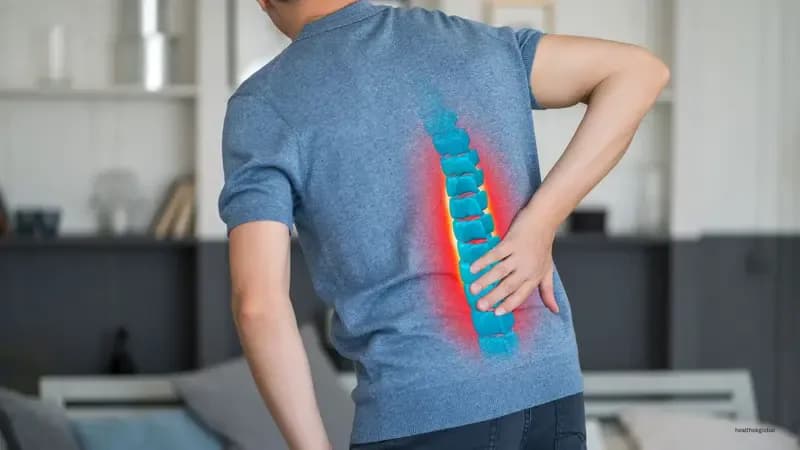
Lumbar spondylosis is a degenerative condition affecting the lower spine, leading to symptoms such as lower back pain, stiffness, and reduced mobility. This condition is commonly associated with aging and wear and tear of the spinal discs and joints. While medication and physical therapy can help manage symptoms, incorporating specific exercises into your routine is crucial for pain relief and improved spinal health. This comprehensive guide explores effective exercises for lumbar spondylosis to help you maintain an active and pain-free life.
Understanding Lumbar Spondylosis
Lumbar spondylosis involves the degeneration of the vertebrae, discs, and ligaments in the lower spine. This degeneration can lead to the formation of bone spurs, disc herniation, and narrowing of the spinal canal (spinal stenosis). Symptoms typically include lower back pain, stiffness, numbness, and weakness in the legs. Regular exercise can help alleviate these symptoms by strengthening the muscles supporting the spine, improving flexibility, and enhancing overall spinal health.
Benefits of Exercise for Lumbar Spondylosis
Engaging in regular exercise offers numerous benefits for individuals with lumbar spondylosis, including:
Exercise helps reduce pain by promoting the release of endorphins, natural pain-relieving chemicals in the body.
1. Pain Relief
Stretching exercises enhance flexibility, reducing stiffness and improving range of motion in the lower back.
2. Improved Flexibility
Strengthening exercises build the muscles that support the spine, reducing the strain on spinal structures.
3. Strengthening Muscles
Regular movement and exercise prevent the loss of mobility associated with lumbar spondylosis.
4. Enhanced Mobility
Exercise helps maintain a healthy weight, reducing the load on the lower spine and alleviating symptoms.
5. Weight Management
Exercise promotes better posture, reducing the risk of further spinal degeneration and pain.
6. Improved Posture
Effective Exercises for Lumbar Spondylosis
The following exercises are designed to relieve pain, improve flexibility, and strengthen the muscles supporting the lower spine. Always consult with a healthcare provider or physiotherapist before starting any new exercise regimen to ensure it is appropriate for your condition.
1. Pelvic Tilts
Lie on your back with your knees bent and feet flat on the floor. Tighten your abdominal muscles and gently tilt your pelvis upward, flattening your lower back against the floor. Hold for a few seconds, then relax. Repeat 10-15 times.
How to Perform
Pelvic tilts help strengthen the abdominal muscles and reduce lower back pain.
Benefits
2. Knee-to-Chest Stretch
Lie on your back with your knees bent and feet flat on the floor. Bring one knee up to your chest, holding it with both hands. Hold the stretch for 15-30 seconds, then switch to the other leg. Repeat 2-3 times on each side.
How to Perform
This stretch helps relieve tension in the lower back and improves flexibility.
Benefits
3. Cat-Cow Stretch
Start on your hands and knees in a tabletop position. Inhale as you arch your back, lifting your head and tailbone (Cow Pose). Exhale as you round your back, tucking your chin and tailbone (Cat Pose). Repeat the sequence 10-15 times.
How to Perform
The cat-cow stretch improves spinal flexibility and reduces tension in the lower back.
Benefits
4. Child's Pose
Kneel on the floor with your big toes touching and knees spread apart. Sit back on your heels and stretch your arms forward, lowering your torso to the floor. Hold the pose for 30 seconds to 1 minute.
How to Perform
Child's pose gently stretches the lower back and relieves tension.
Benefits
5. Bridge Exercise
Lie on your back with your knees bent and feet flat on the floor. Lift your hips towards the ceiling, squeezing your glutes and engaging your core. Hold for a few seconds, then lower your hips back down. Repeat 10-15 times.
How to Perform
The bridge exercise strengthens the glutes, hamstrings, and lower back muscles.
Benefits
6. Seated Forward Bend
Sit on the floor with your legs extended straight in front of you. Inhale and lengthen your spine, then exhale as you bend forward from the hips, reaching for your toes. Hold the stretch for 15-30 seconds, then slowly return to the starting position.
How to Perform
This stretch enhances flexibility in the hamstrings and lower back.
Benefits
7. Wall Sits
Stand with your back against a wall and slowly slide down until your knees are bent at a 90-degree angle, as if sitting in a chair. Hold the position for 20-30 seconds, then slide back up. Repeat 5-10 times.
How to Perform
Wall sits strengthen the quadriceps, glutes, and lower back muscles.
Benefits
Tips for Safe and Effective Exercise
To maximize the benefits of these exercises and minimize the risk of injury, follow these tips:
1. Warm-Up and Cool-Down
Always start with a gentle warm-up to prepare your muscles and joints for exercise. Cool down with light stretching to prevent muscle stiffness.
2. Maintain Proper Form
Focus on maintaining correct form and alignment during exercises to avoid strain and injury. If unsure, consult with a physiotherapist for guidance.
3. Gradual Progression
Start with low-intensity exercises and gradually increase the intensity as your strength and flexibility improve. Avoid overexertion and listen to your body.
4. Stay Consistent
Consistency is key to seeing improvements. Aim to perform these exercises regularly, following the guidance of your healthcare provider.
5. Use Supportive Equipment
Use supportive equipment, such as a yoga mat or resistance bands, to enhance your exercise routine and provide comfort.
When to Seek Professional Help
While these exercises can be beneficial, it is important to seek professional help if you experience any of the following:
If you experience severe or worsening pain during or after exercises, consult your physiotherapist or healthcare provider.
1. Severe Pain
If symptoms persist or do not improve with exercise, seek professional advice for further evaluation and treatment.
2. Persistent Symptoms
If you notice any unusual symptoms, such as swelling, numbness, or dizziness, contact your healthcare provider immediately.
3. Unusual Symptoms
Conclusion
Exercises for lumbar spondylosis are essential for managing pain, improving mobility, and enhancing spinal health. By incorporating these exercises into your daily routine and following the tips for safe and effective practice, you can achieve significant improvements in your condition. Always consult with a qualified healthcare provider or physiotherapist to ensure that your exercise plan is tailored to your specific needs and goals. With consistent effort and professional guidance, you can enjoy a more active and pain-free life.









Comments (0)