
Introduction
As we age, maintaining joint health becomes crucial to preserving mobility and independence. The knees, being one of the most burdened joints, are particularly prone to wear and tear. For elderly individuals, engaging in regular, gentle knee exercises can significantly enhance joint function, reduce pain, and improve overall quality of life. This article explores effective knee exercises tailored for seniors, emphasizing safety and efficacy.
The Importance of Knee Exercises for Elderly
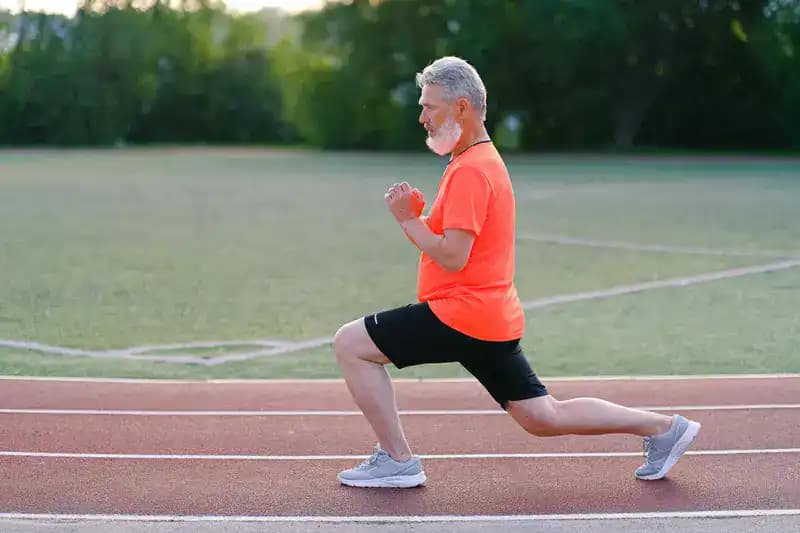
Regular knee exercises help maintain and improve the range of motion in the knee joints. Mobility exercises such as leg lifts and gentle stretches ensure that the knee joint remains flexible, which is essential for performing daily activities like walking, climbing stairs, and sitting down. Improved mobility directly translates to a higher level of independence for elderly individuals, allowing them to engage in their favorite activities with ease.
Enhancing Mobility:
Arthritis and other degenerative joint conditions are common among the elderly, leading to pain and stiffness in the knees. Exercise is a proven method to manage these symptoms. Low-impact exercises such as water aerobics or chair yoga can help lubricate the joints and reduce inflammation. Strengthening the muscles around the knee also provides better support and reduces the stress on the joint, thereby alleviating pain.
Reducing Pain and Stiffness:
Essential Knee Exercises for Elderly
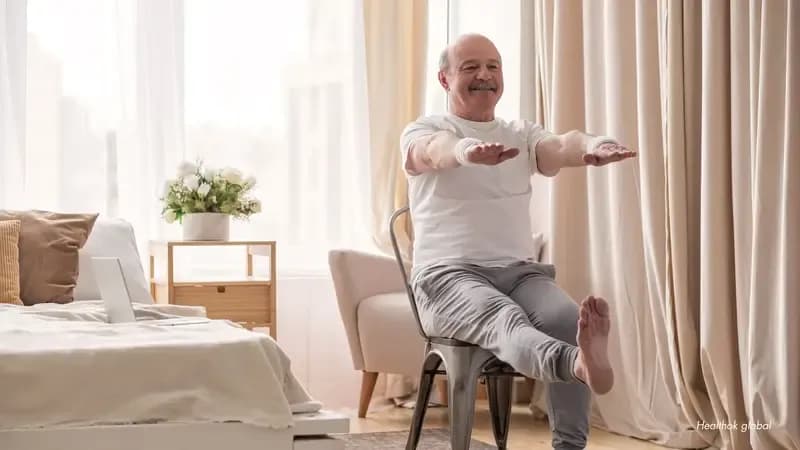
1. Sit comfortably in a sturdy chair with your back straight and feet flat on the floor. 2. Slowly lift one leg straight out in front of you, keeping the knee slightly bent. 3. Hold the position for a few seconds, then lower the leg back down. 4. Repeat 10-15 times for each leg.
Seated Leg Lifts:
1. Lie on your back with your legs extended straight. 2. Slowly slide one heel towards your buttocks, bending the knee while keeping the foot on the floor. 3. Slide the heel back to the starting position. 4. Repeat 10-15 times for each leg.
Heel Slides
Strengthening and Stretching Exercises
1. Sit on the edge of a chair with your feet flat on the floor. 2. Lift one knee as high as you comfortably can, mimicking a marching motion. 3. Lower the leg and repeat with the other knee. 4. Continue alternating legs for 1-2 minutes.
Knee Marching:
1. Stand behind a chair, holding onto it for support. 2. Slowly rise onto the balls of your feet, lifting your heels off the ground. 3. Hold the position for a few seconds, then lower your heels back down. 4. Repeat 10-15 times.
Calf Raises:
Tips for Safe Exercise
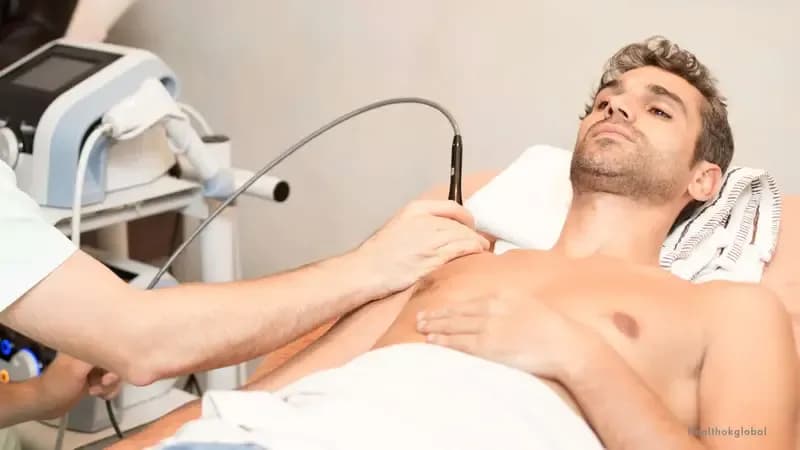
Before starting any new exercise regimen, it is crucial for elderly individuals to consult with their healthcare provider. This ensures that the exercises chosen are appropriate for their specific health conditions and physical capabilities.
Consult with a Healthcare Provider:
Elderly individuals should start with low-intensity exercises and gradually increase the intensity as their strength and endurance improve. This helps prevent injuries and allows the body to adapt to new movements.
Start Slow and Gradual:
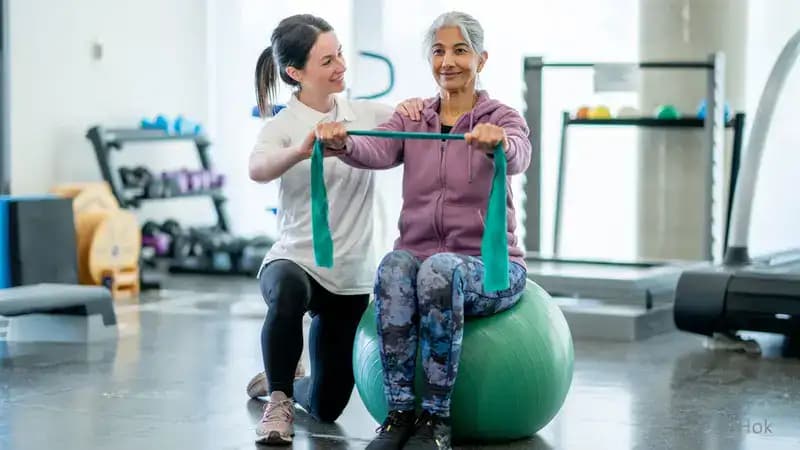
Using supportive equipment such as sturdy chairs, resistance bands, or water weights can enhance the effectiveness of exercises and provide additional safety. Chairs can be used for balance during standing exercises, while resistance bands can add gentle resistance to strength exercises.
Use Supportive Equipment:
Conclusion
Knee exercises are essential for elderly individuals to maintain joint health, enhance mobility, and reduce pain. Incorporating simple exercises like seated leg lifts, heel slides, knee marching, and calf raises into their daily routine can make a significant difference in their quality of life. Always prioritize safety by consulting healthcare providers and starting with low-intensity exercises. With regular practice, these exercises can help seniors stay active, independent, and pain-free.








Comments (0)