Ear Infections and Hearing Loss: Causes, Symptoms, and Prevention
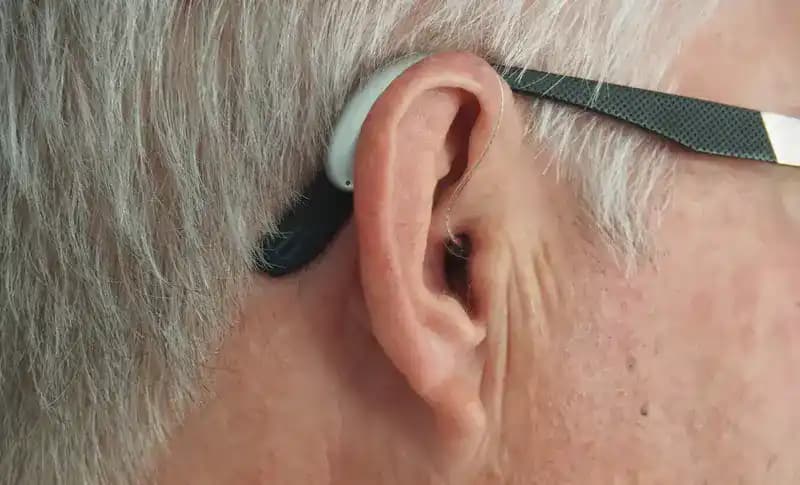
Explore the connection between ear infections and hearing loss. Learn about symptoms, treatments, and effective prevention strategies to protect your hearing health.

Ear, nose, and throat conditions are among the most common reasons people visit a doctor — from a child's recurrent ear infections to an adult's sinus headache to an older person's hearing loss. In India, chronic sinusitis, allergic rhinitis, and tonsillitis are widespread, while noise-induced hearing loss is an underappreciated problem in a country with high ambient noise levels. Sleep apnea — a serious condition where breathing repeatedly stops during sleep — affects millions of Indians but remains massively underdiagnosed. ENT emergencies like a button battery lodged in a child's nose or a fish bone stuck in the throat need immediate attention. This hub covers the full range of ear, nose, and throat health: recognising what needs a doctor today versus what can be managed at home, and understanding when ENT surgery is genuinely necessary.
Last reviewed: 10 August 2026
Explore the connection between ear infections and hearing loss. Learn about symptoms, treatments, and effective prevention strategies to protect your hearing health.

Conductive hearing loss is a type of hearing impairment that occurs when sound waves are unable to pass freely through the outer or middle ear.
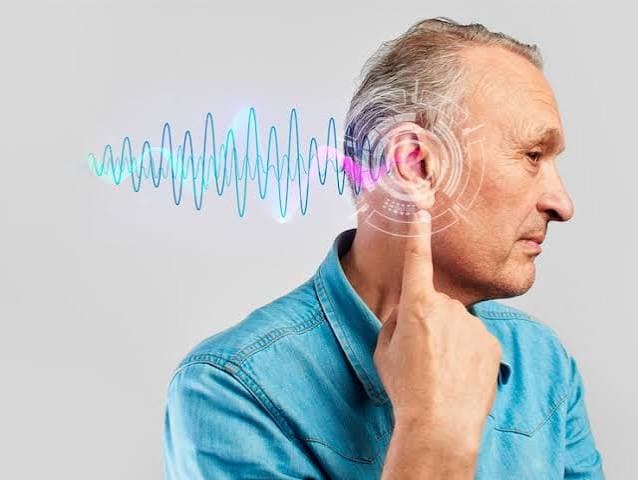
Hearing difficulty can occur even when your ears appear normal. Learn about the complex hearing pathway and why a normal ear exam doesn't always mean normal hearing.
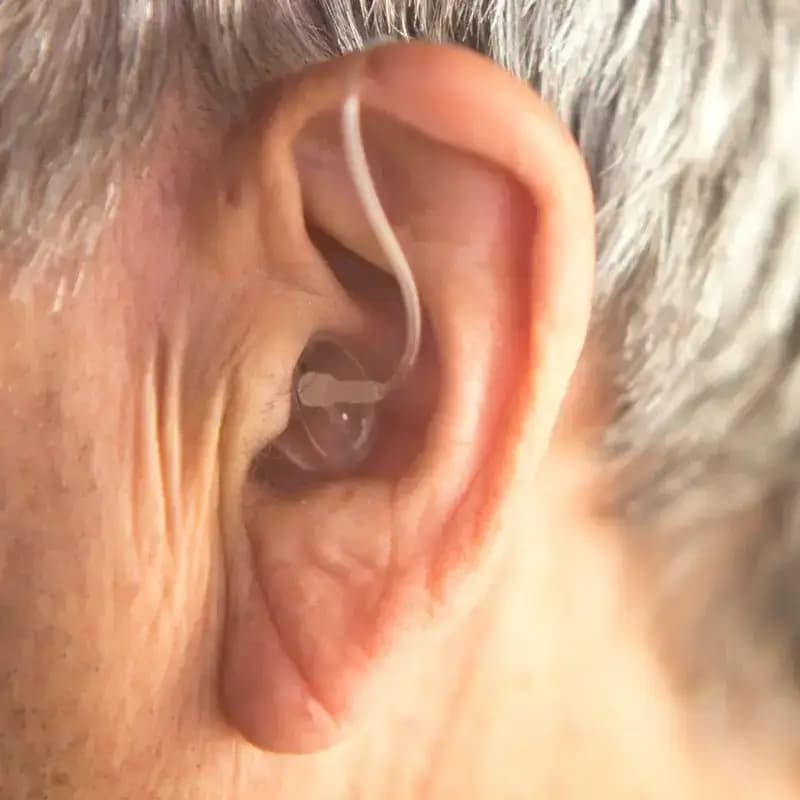
Learn about the different levels of hearing loss, how to identify the need for a hearing aid, and the role of audiologists in managing hearing impairment effectively.

Explore the transformative power of digital hearing aids, their advanced features, benefits, and how they revolutionize hearing loss treatment. Learn to find the perfect device for your needs.
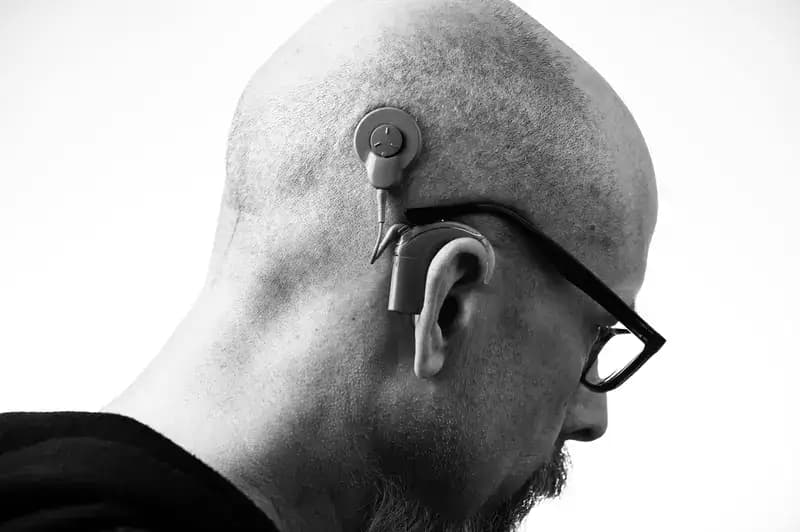
Hearing loss is a widespread condition that affects millions globally, impacting their communication and quality of life. This guide explores its causes, types, solutions, and real-life cases.

Hearing loss affects millions worldwide, impacting their ability to communicate, work, and engage in daily activities.

Strep throat is a common yet misunderstood condition, particularly concerning its origins and potential complications like ear infections.

Hearing aid machines amplify sounds, making communication and daily activities easier for individuals with hearing loss. Explore types, benefits, and tips for selecting the right device.
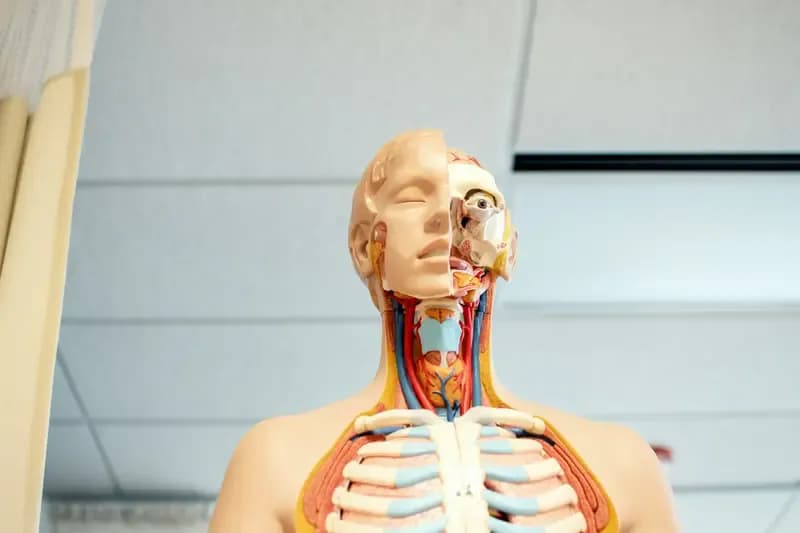
Strep throat, a bacterial infection known for its rapid onset and painful symptoms, does not discriminate by age.

The right treatment for eye flu depends entirely on the cause. Viral conjunctivitis needs supportive care only; bacterial needs antibiotic drops; allergic needs antihistamines; irritant needs flushing. Getting the type wrong wastes time and can make it worse.

Cystic fibrosis (CF) is a severe autosomal recessive genetic condition impacting the respiratory and digestive systems, caused by mutations in the CFTR gene.

Asthma is a chronic respiratory condition characterized by inflammation and narrowing of the airways, leading to symptoms such as wheezing, shortness of breath, coughing, and chest tightness.

Asthma is a chronic respiratory condition characterized by inflammation and narrowing of the airways, leading to symptoms such as wheezing, shortness of breath, chest tightness, and coughing.
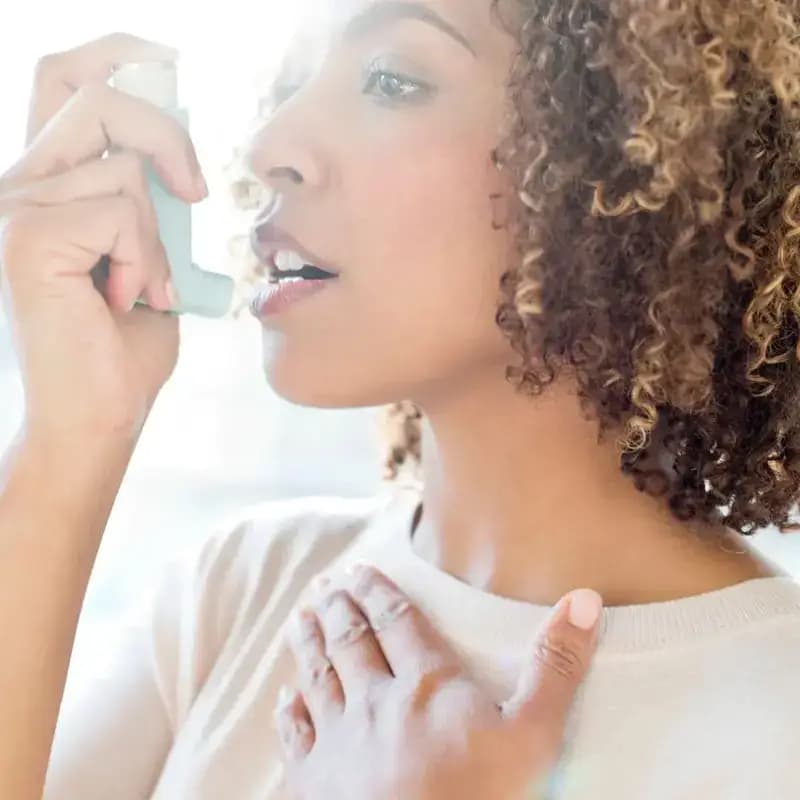
Asthma is a chronic respiratory condition characterized by inflammation and narrowing of the airways, leading to symptoms such as wheezing, shortness of breath, chest tightness, and coughing.

Asthma is a complex condition involving airway inflammation, hyperresponsiveness, and genetic factors. Learn about its mechanisms, triggers, and advanced therapies for effective management.

Maintaining adequate blood oxygen levels is crucial for overall health and well-being. Learn effective strategies to boost your blood oxygen levels naturally.
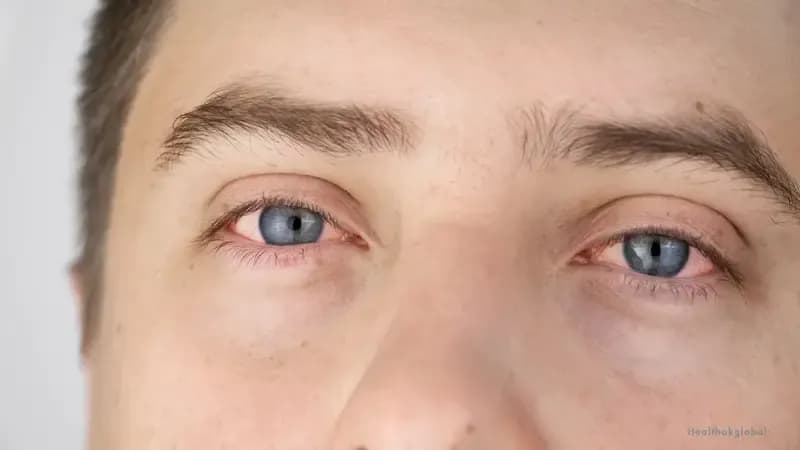
Eye flu is a catch-all term for conjunctivitis with different causes, most commonly adenovirus (viral, highly contagious), sometimes bacteria, allergies, or irritants like chlorine or pollution. Knowing the cause changes how it should be treated.

Asthma is a chronic respiratory condition characterized by airway inflammation and hyperresponsiveness, leading to recurrent episodes of wheezing, breathlessness, chest tightness, and coughing.

Explore how homeopathic practitioners individualize treatment for coughs based on specific symptoms, sounds, and triggers, rather than just the diagnosis.

Mouth larva, also known as oral myiasis, is a rare condition caused by the infestation of fly larvae in the mouth.
Verified specialists across India
Most so-called 'sinus headaches' are actually migraines — true sinus headaches from sinusitis come with thick coloured nasal discharge, fever, facial tenderness, and worsening when bending forward. Uncomplicated sinusitis after a viral upper respiratory infection usually resolves within 10-14 days with saline nasal rinses, steam inhalation, and decongestants. See a doctor if: symptoms last more than 10 days without improvement or worsen after initial improvement, you have severe facial pain or swelling, vision changes or eye swelling develop (orbital complications), you have high fever with a stiff neck (meningitis risk), or symptoms keep recurring. Antibiotics are appropriate only for bacterial sinusitis — most acute sinusitis is viral and doesn't need them.
Most acute ear infections (otitis media) in children are caused by viruses and resolve without antibiotics in 2-3 days. Current guidelines in most countries recommend a 'watchful waiting' approach for 48-72 hours in children over 2 years with mild symptoms — pain relief with paracetamol or ibuprofen and close observation. Antibiotics are recommended immediately for: children under 6 months, children with severe symptoms (high fever, severe pain), both ears infected in a child under 2, ear discharge (perforated eardrum), or any child who is systemically unwell. If symptoms don't improve in 48-72 hours, then antibiotics are appropriate. Overusing antibiotics for ear infections contributes to resistance without improving outcomes in mild cases.
Obstructive sleep apnea (OSA) occurs when the throat relaxes during sleep and repeatedly blocks the airway — the person stops breathing for 10 seconds or more, dozens or hundreds of times per night. Classic signs: loud snoring with gasping or choking episodes (often noticed by a partner), waking unrefreshed despite adequate sleep, excessive daytime sleepiness (falling asleep during conversations, driving), morning headaches, poor concentration, and irritability. It matters because untreated OSA significantly raises risk of hypertension, heart disease, stroke, type 2 diabetes, and road traffic accidents. Diagnosis requires a sleep study (polysomnography or a home sleep test). Treatment with CPAP — a mask delivering pressurised air to keep the airway open — is highly effective and often transformative for quality of life and cardiovascular risk.
Tonsillectomy is recommended when tonsillitis is genuinely recurrent and disruptive: typically 7 or more episodes in one year, 5 or more per year for two consecutive years, or 3 or more per year for three consecutive years — or when individual episodes cause abscess, febrile convulsions, or missed school or work. It is also indicated for obstructive sleep apnea caused by very large tonsils (especially in children). It is not recommended for mild or infrequent tonsillitis — the tonsils play an immune role in childhood and most children 'grow out' of recurrent tonsillitis by their teens. Discuss the frequency and severity honestly with an ENT surgeon — many tonsillectomies in India are done earlier than evidence supports.
A significant proportion of hearing loss is preventable. Noise-induced hearing loss — from prolonged exposure to loud sound (factory noise, loud music, firecrackers) — is entirely preventable with hearing protection. In India, Diwali firecrackers cause a measurable spike in noise-induced hearing loss each year. Use foam earplugs or earmuffs in noisy environments, keep personal audio at 60% volume maximum, and give your ears rest from noise regularly. Ototoxic medications (certain antibiotics like gentamicin, platinum-based chemotherapy) can cause hearing loss — always inform doctors of hearing status before these are prescribed. Untreated ear infections in children can cause permanent hearing damage — prompt treatment of recurrent infections matters. Age-related hearing loss (presbycusis) is less preventable but can be managed effectively with hearing aids.
Ask our medical community. Your question may help others with similar concerns.