Ear Infections and Hearing Loss: Causes, Symptoms, and Prevention
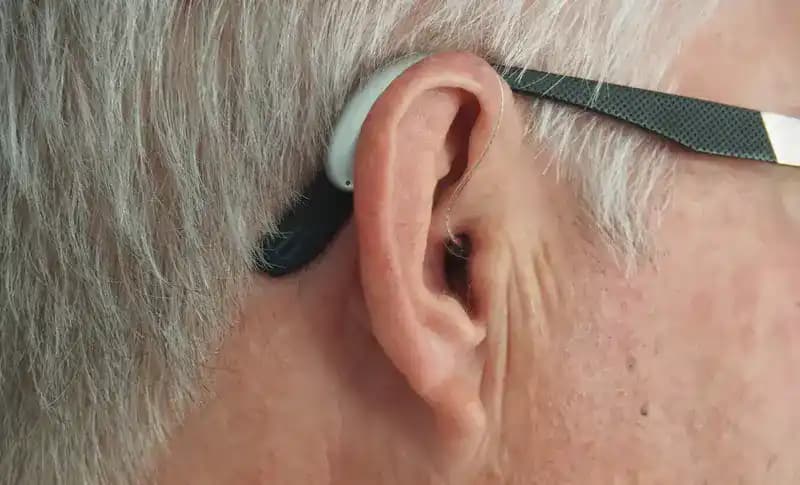
Explore the connection between ear infections and hearing loss. Learn about symptoms, treatments, and effective prevention strategies to protect your hearing health.

Sleep apnea is far more than loud snoring — it is a serious medical condition where breathing repeatedly stops during sleep, dropping blood oxygen levels and fragmenting sleep dozens or hundreds of times per night. In India, it is estimated to affect 10-15% of adults but is diagnosed in only a small fraction of those affected. The consequences of untreated sleep apnea go well beyond daytime sleepiness: it doubles the risk of hypertension, significantly raises risk of heart attack and stroke, worsens diabetes control, contributes to depression, and is a leading cause of road traffic accidents through microsleeps at the wheel. CPAP therapy — a mask worn during sleep that keeps the airway open with pressurised air — is highly effective and transforms quality of life. Weight loss, positional therapy, and in some cases surgery are additional options.
Last reviewed: 10 August 2026
Expert answers from our medical team
Not always — snoring is common (affecting about 40% of adults) and can occur without sleep apnea. Simple snoring without breathing pauses, oxygen desaturation, or daytime symptoms is a social nuisance but not a health risk in itself. Sleep apnea is diagnosed when snoring is accompanied by repetitive breathing pauses (witnessed gasping or choking), oxygen drops on monitoring, daytime sleepiness, unrefreshed sleep, morning headaches, poor concentration, or irritability. A home sleep test or in-lab polysomnography distinguishes snoring from OSA. However, if a partner reports witnessed apneas (stopping breathing), or if you are overweight, have a large neck circumference, or have uncontrolled hypertension — OSA is more likely and screening is warranted regardless of how severe the snoring sounds.
Diagnosis requires a sleep study. The gold standard is attended polysomnography — an overnight study in a sleep laboratory monitoring brain waves (EEG), eye movements, muscle activity, heart rhythm, airflow, respiratory effort, and oxygen levels simultaneously. In-lab studies provide the most detailed information but are expensive and limited in availability outside major cities. Home sleep testing (HST) — a portable device worn at home monitoring airflow, effort, and oxygen — is simpler, cheaper, and adequate for diagnosing moderate-severe OSA in patients without other sleep disorders. The severity of OSA is measured by the apnea-hypopnea index (AHI): mild (5-14 events per hour), moderate (15-29), severe (30+). Severity guides treatment decisions.
CPAP is the most effective treatment for moderate-severe sleep apnea and works from the first night — patients often report dramatically better sleep and reduced daytime sleepiness immediately. Cardiovascular risk reduction and blood pressure improvement build over weeks to months of consistent use. Tolerability is the main challenge: nasal dryness (use the heated humidifier built into most machines), mask leaks (try a different mask style — nasal pillows, nasal mask, or full-face mask suit different face shapes), claustrophobia (start with short sessions while awake), and pressure discomfort (use the ramp or auto-CPAP feature). Most people who try CPAP for 3-4 weeks and get proper mask fitting support become comfortable with it. Giving up after one night is common — and usually a mask fit issue, not a CPAP intolerance.
Weight loss can significantly reduce OSA severity and in some patients achieves remission — particularly in those with moderate OSA who lose 10-15% of body weight. A 10% weight loss reduces the AHI by about 26% on average. GLP-1 agonists (semaglutide) have shown significant OSA improvement in trials accompanying their weight loss effects. However, weight loss alone rarely cures severe OSA, and OSA itself disrupts sleep architecture in ways that make weight loss harder (poor sleep raises ghrelin and lowers leptin — increasing appetite). The practical approach: CPAP to restore normal sleep (which also supports weight loss efforts), combined with dietary and lifestyle changes. Weight loss and CPAP work better together than either alone.
For mild-moderate OSA: mandibular advancement devices (MADs) — custom-fitted oral appliances that push the lower jaw forward, increasing upper airway space. Less effective than CPAP for severe OSA but better tolerated by some patients. Positional therapy: if OSA occurs predominantly while sleeping on the back, positional devices (a vibrating band or positional shirt) that encourage side sleeping can help. Weight loss as above. Surgery: uvulopalatopharyngoplasty (UPPP) has variable and often disappointing results for OSA in adults. Hypoglossal nerve stimulation (Inspire therapy) — a surgically implanted device that stimulates the tongue nerve to keep the airway open during sleep — shows excellent results in carefully selected patients and is becoming more available. Tonsillectomy is effective for OSA in children with significantly enlarged tonsils.
Questions from our community members
Ask our medical community. Your question may help others with similar concerns.
Verified specialists across India