Ear Infections and Hearing Loss: Causes, Symptoms, and Prevention
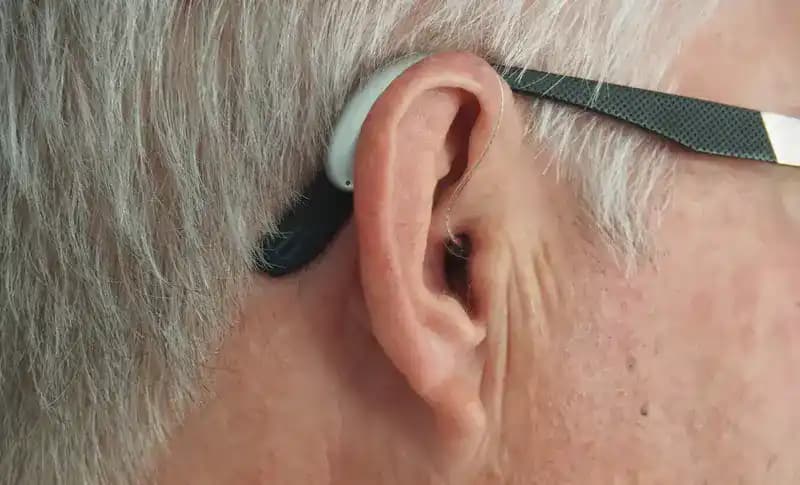
Explore the connection between ear infections and hearing loss. Learn about symptoms, treatments, and effective prevention strategies to protect your hearing health.

ENT emergencies often look deceptively minor but can escalate rapidly into life-threatening situations. A button battery lodged in a child's nose or oesophagus causes severe chemical burns within two hours and is one of the most time-critical paediatric emergencies — yet parents often don't realise the urgency. Sudden hearing loss is a stroke equivalent for the ear and must be treated on the same day. A peritonsillar abscess can spread to the deep neck and mediastinum within hours. Foreign bodies in the ear canal, while uncomfortable, rarely require the same urgency. This hub helps you distinguish the true ENT emergency that needs the nearest large hospital immediately from the problem that can wait for a morning clinic appointment — a distinction that can determine outcomes.
Last reviewed: 11 August 2026
Explore the connection between ear infections and hearing loss. Learn about symptoms, treatments, and effective prevention strategies to protect your hearing health.

Conductive hearing loss is a type of hearing impairment that occurs when sound waves are unable to pass freely through the outer or middle ear.
Expert answers from our medical team
A button (disc) battery lodged in the nose, ear canal, or throat generates an electrical current that causes severe alkaline chemical burns to surrounding tissue within 2 hours — continuing to burn as long as it remains in contact with moist tissue. In the nose, it can cause septal perforation within hours. Swallowed batteries lodged in the oesophagus are the most dangerous — causing oesophageal perforation, tracheo-oesophageal fistula, and erosion into major blood vessels, with fatalities reported. Go directly to the nearest emergency department with paediatric ENT capability — do not wait, do not try to remove it yourself. The only correct first aid after battery ingestion in children is giving honey every 10 minutes on the way to hospital (there is trial evidence this reduces oesophageal injury before medical removal).
Go immediately: sudden hearing loss in one ear (treat like a stroke — same-day ENT mandatory), button battery anywhere in the ear-nose-throat, suspected deep neck infection (neck swelling with fever, difficulty opening the mouth, or breathing difficulty), peritonsillar abscess with airway concern or inability to swallow saliva, significant nosebleed not stopping after 20 minutes of correct pressure, foreign body causing airway compromise, and facial trauma with suspected orbital injury. Can wait for morning clinic: small ear canal foreign body with no pain or discharge, uncomplicated tonsillitis, sinusitis, persistent hoarseness without alarm features, mild vertigo, and gradually worsening hearing. When in doubt, call a hospital helpline — describing symptoms takes 2 minutes and gets you the right triage.
The correct technique for managing a nosebleed at home: sit upright and lean forward slightly (not back — swallowing blood causes nausea). Pinch the soft fleshy part of the nose — both sides below the bony bridge — firmly for a full 15-20 minutes without releasing. Breathe through the mouth. Apply a cold pack to the bridge of the nose. Do not pack the nose with tissue deeply. Do not tilt the head back. After 20 minutes of correct pinching, most nosebleeds stop. Seek emergency care if: bleeding doesn't stop after 20 minutes of correct pressure, the bleeding is very heavy (blood coming out despite pressure, or swallowing large amounts), you are on blood thinners, or the nosebleed followed a head injury. Recurrent nosebleeds need ENT evaluation for cauterisation of the bleeding vessel.
Common ear foreign bodies: insects, beads, seeds, and small toy parts (especially in children). Don't attempt to remove it with cotton buds, tweezers, or matchsticks — these push the object deeper and can damage the eardrum. If the foreign body is an insect, flood the ear canal with olive oil or mineral oil — this kills the insect (live insects moving in the ear are very distressing) and makes removal easier at clinic. Seeds and organic matter swell with water — don't irrigate. Small beads and smooth objects can sometimes be removed with irrigation in cooperative adults if the eardrum is intact. Most ear canal foreign bodies should be removed by an ENT or emergency doctor using proper instruments and lighting — it is not an emergency if there is no pain, discharge, or hearing change, and can be done at a clinic the next morning.
Deep neck infections — pus collections in the tissue spaces of the neck — are rare but rapidly life-threatening because they can spread to compress the airway, spread to the chest (descending mediastinitis), or erode into major blood vessels. They typically follow tonsillitis, dental infection, or a foreign body. Warning signs: progressively worsening neck swelling and stiffness, high fever, difficulty opening the mouth (trismus), muffled or changed voice, pain or difficulty swallowing, drooling, and — most alarming — any breathing difficulty or stridor (noisy breathing). These symptoms warrant immediate emergency department attendance. CT scan of the neck with contrast diagnoses the extent. Treatment is surgical drainage and intravenous antibiotics — delay in diagnosis is the main cause of mortality. This is one ENT condition where 'wait and see' can be fatal.
Questions from our community members
Ask our medical community. Your question may help others with similar concerns.
Verified specialists across India