

Introduction
Strep throat, a bacterial infection known for its rapid onset and painful symptoms, does not discriminate by age. However, in the elderly, this condition can present unique challenges and risks, making early detection and treatment crucial. This comprehensive guide will explore the ins and outs of strep throat infection in older adults, from symptoms and diagnosis to treatment and prevention, ensuring you have the information needed to support the seniors in your life.
Understanding Strep Throat in the Elderly
Strep throat is caused by the bacterium Streptococcus pyogenes, commonly referred to as group A streptococcus. In the elderly, the symptoms of strep throat may differ from the classic signs seen in younger individuals, making it a somewhat trickier condition to immediately recognize.
Symptoms of Strep Throat in Seniors
Recognizing the symptoms of strep throat in seniors is the first step to ensuring timely treatment. While sore throat and difficulty swallowing are common indicators, seniors may also experience less typical symptoms such as a lack of fever, subtle throat redness, or even gastrointestinal issues.
The Risk Factors and Complications
The elderly face a higher risk of developing complications from strep throat, including rheumatic fever and scarlet fever. Underlying health conditions common in older adults, such as diabetes or cardiovascular disease, can exacerbate the effects of the infection and complicate recovery.
Diagnosing Strep Throat in the Elderly
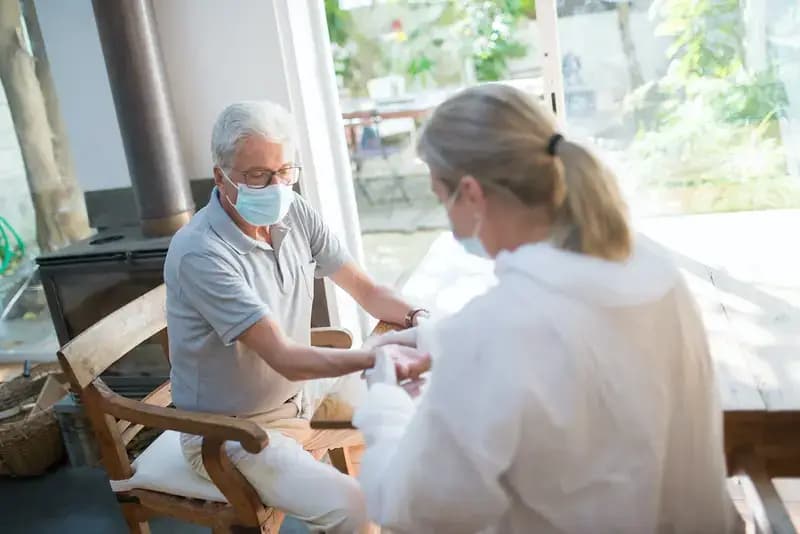
Diagnosis of strep throat involves a physical examination and throat culture or rapid antigen detection test (RADT). For seniors, it’s crucial to conduct these tests promptly to avoid complications and to start the treatment process as early as possible.
Treatment Options for Elderly Patients
Antibiotics are the cornerstone of strep throat treatment, with penicillin and amoxicillin being the most commonly prescribed medications. It’s essential for elderly patients to complete the full course of antibiotics even if symptoms improve to ensure the bacteria is fully eradicated.
Home Remedies and Care
Alongside medical treatment, home remedies can provide symptom relief. These include staying hydrated, consuming warm soups and teas, and using a humidifier. However, these should complement, not replace, the treatment prescribed by a healthcare professional.
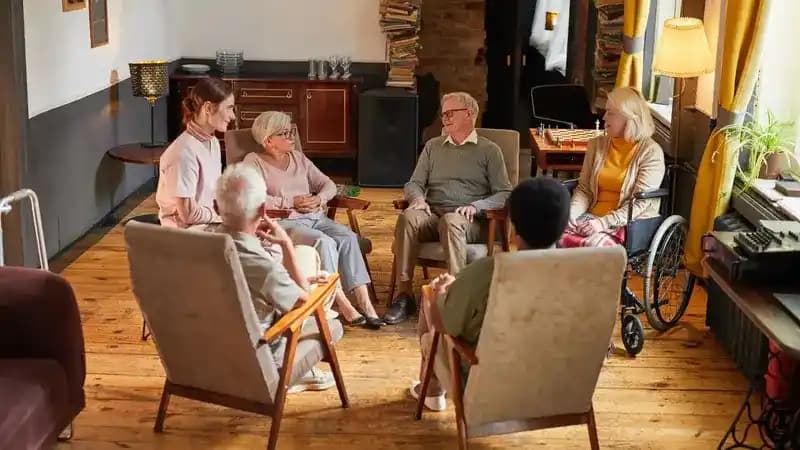
Preventing Strep Throat in Senior Living Facilities
Prevention is particularly crucial in senior living facilities, where infections can spread quickly. Regular handwashing, avoiding close contact with infected individuals, and proper sanitation practices are key measures to prevent the spread of strep throat.
When to Seek Medical Attention
It's vital to seek medical attention if an elderly individual shows signs of strep throat, especially if they experience difficulty breathing, swallowing, or if symptoms do not improve with initial treatment. Timely intervention can prevent serious complications.
The Role of Caregivers in Managing Strep Throat
Caregivers play a critical role in identifying the early signs of strep throat, encouraging medical evaluation, and ensuring the elderly follow their treatment plans. Their support can significantly impact the recovery process and overall well-being of seniors.
Conclusion: Safeguarding Elderly Health
Strep throat in the elderly requires careful attention and prompt treatment. By understanding the symptoms, ensuring swift diagnosis and treatment, and implementing preventive measures, we can protect our elderly loved ones from the potential complications of this infection. Remember, a proactive approach to health can make all the difference in the lives of seniors.
Call to Action: Stay Informed and Vigilant
Keeping informed about conditions like strep throat and remaining vigilant for its symptoms in the elderly can save lives. If you suspect an elderly loved one may have strep throat, do not hesitate to seek medical advice. Together, we can ensure the health and safety of the senior community.








Comments (0)