

Introduction
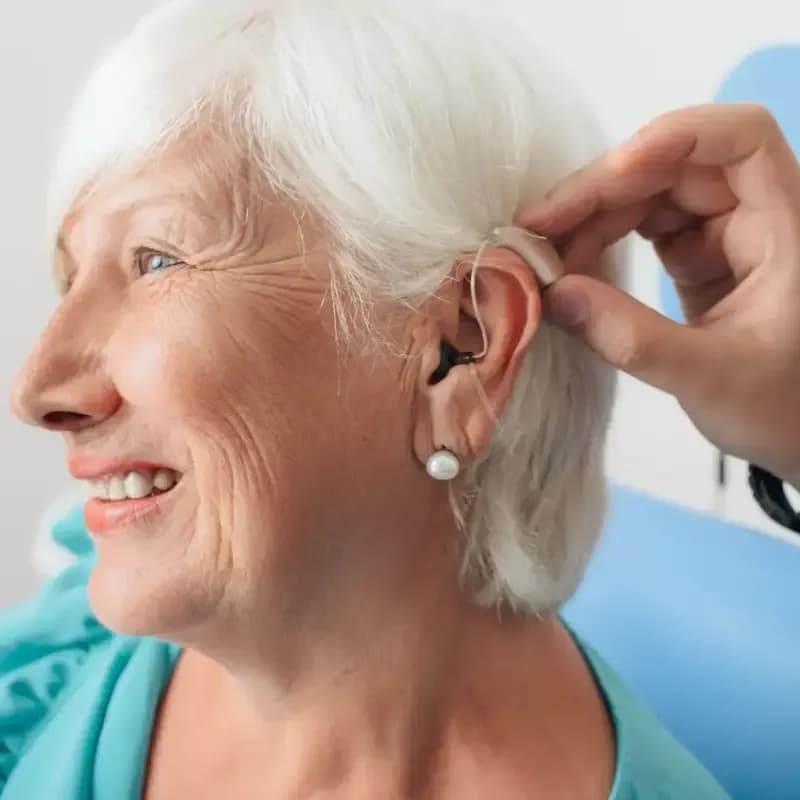
Hearing aid machines are essential tools for individuals experiencing hearing loss. These devices amplify sound and enhance communication, improving overall life quality. Equipped with advanced technology, hearing aids come in various styles and configurations to suit different hearing needs. This guide explains the types of hearing aids, their benefits, tips for selecting the best device, and maintenance strategies to ensure optimal performance.
Types of Hearing Aid Machines
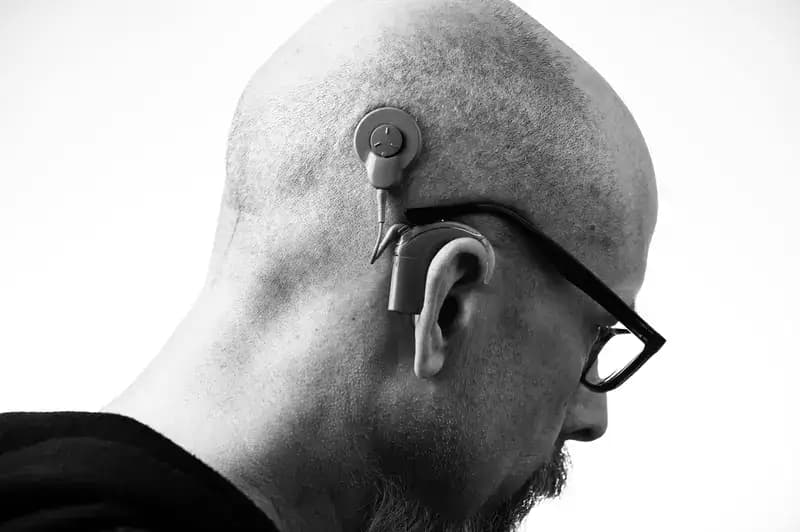
Hearing aids are available in multiple types, catering to different levels of hearing loss and preferences. Here’s an overview of the main types:
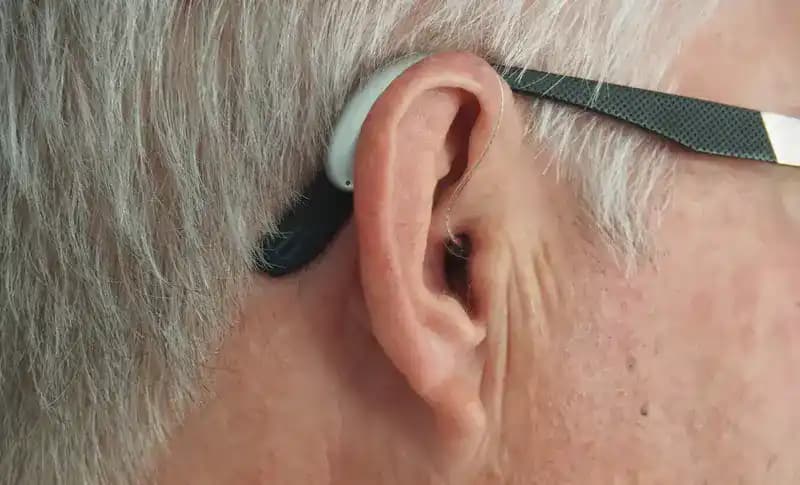
BTE aids are versatile, sitting behind the ear and connecting to an earmold. Suitable for all hearing loss levels, they are durable, easy to handle, and offer powerful amplification.
1. Behind-the-Ear (BTE):
Custom-made to fit the outer ear, ITE aids suit mild to severe hearing loss. They provide directional microphones for improved sound clarity but require more maintenance.
2. In-the-Ear (ITE):
ITC aids are partially placed in the ear canal, offering a discreet appearance. They suit mild to moderate hearing loss but may be less durable than BTE models.
3. In-the-Canal (ITC):
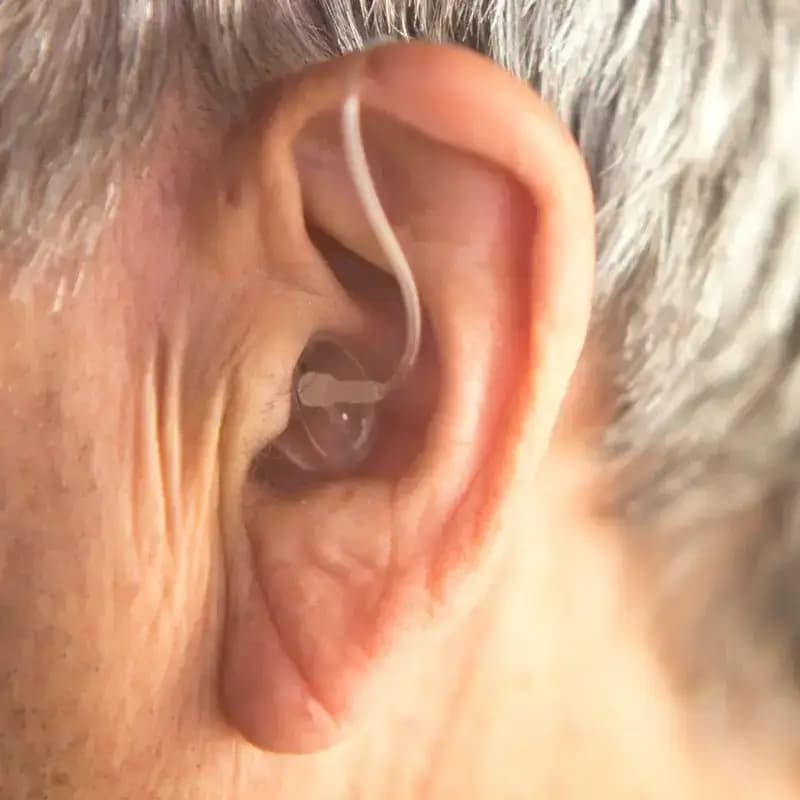
CIC devices are the most discreet, fitting entirely inside the ear canal. Ideal for mild to moderate hearing loss, they provide natural sound quality but require careful handling.
4. Completely-in-the-Canal (CIC):
Benefits of Hearing Aid Machines
Hearing aids offer transformative benefits for individuals with hearing loss, including:
Improved speech clarity enhances conversations in both personal and professional settings.
1. Better Communication:
Amplifying environmental sounds ensures users can hear alarms, alerts, and traffic, boosting safety.
2. Increased Safety:
By overcoming hearing barriers, users can actively participate in social gatherings, reducing isolation.
3. Enhanced Social Life:
Studies show that hearing aid use may lower the risk of dementia and cognitive decline caused by untreated hearing loss.
4. Reduced Cognitive Decline:
Selecting the Right Hearing Aid Machine
Choosing the ideal hearing aid requires considering the following factors:
A professional hearing assessment determines the severity of hearing loss and guides the appropriate device selection.
1. Hearing Loss Level:
Active individuals may prefer water-resistant models, while tech-savvy users might opt for Bluetooth-enabled devices.
2. Lifestyle Preferences:
Evaluate pricing against features like rechargeable batteries, directional microphones, and noise-canceling capabilities.
3. Budget and Features:
Comfortable, well-fitted devices ensure consistent use and better outcomes.
4. Comfort and Fit:
Caring for Your Hearing Aid Machine
Proper maintenance extends the lifespan of hearing aids and ensures optimal performance. Here’s how to care for your device:
Remove earwax and debris using a cleaning kit provided by your hearing aid manufacturer.
1. Clean Regularly:
When not in use, store hearing aids in a protective case in a cool, dry location.
2. Store Safely:
Avoid exposing hearing aids to water or excessive humidity. Consider using a dehumidifier specifically for hearing devices.
3. Protect from Moisture:
Routine appointments with an audiologist can identify issues early and keep the device fine-tuned.
4. Schedule Regular Check-ups:
Conclusion
Hearing aid machines empower individuals with hearing loss by restoring their ability to communicate and engage fully in life. By understanding the types of devices, their benefits, and proper maintenance, users can make informed decisions and enjoy a better quality of life. Regular professional guidance and care ensure these devices remain effective for years to come.
Dedicated Elderly Support by Zocvi
Zocvi offers comprehensive elderly care services to ensure the dignity and safety of seniors. Our expert caregivers provide personalized support, from routine health checks to emotional well-being assistance. Contact our FREE 24 x 7 Healthcare Helpline at +91-92724-57637 for immediate support and assistance.





Comments (0)