What Level of Hearing Loss Necessitates a Hearing Aid?
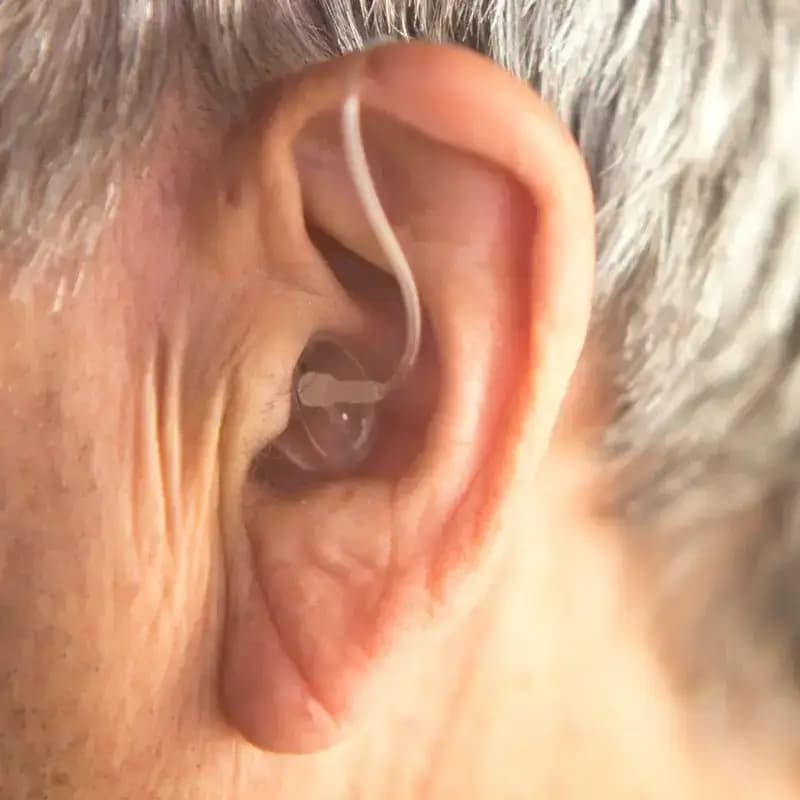
Learn about the different levels of hearing loss, how to identify the need for a hearing aid, and the role of audiologists in managing hearing impairment effectively.

Hearing is one of our most socially connected senses — its loss creeps in gradually, often denied for years before it's acknowledged. In India, hearing loss affects an estimated 63 million people, making it one of the most prevalent disabilities, yet hearing aid uptake remains very low due to stigma, cost, and a widespread belief that nothing can be done. Ear infections — particularly in children — are among the most common reasons for GP visits. Tinnitus (ringing or buzzing in the ears) affects millions and has strong links to noise exposure and stress. Vertigo from inner ear problems can be disabling. Most ear conditions are diagnosable with a simple examination and treatable — the barrier is almost always delay in seeking care.
Last reviewed: 11 August 2026
Learn about the different levels of hearing loss, how to identify the need for a hearing aid, and the role of audiologists in managing hearing impairment effectively.
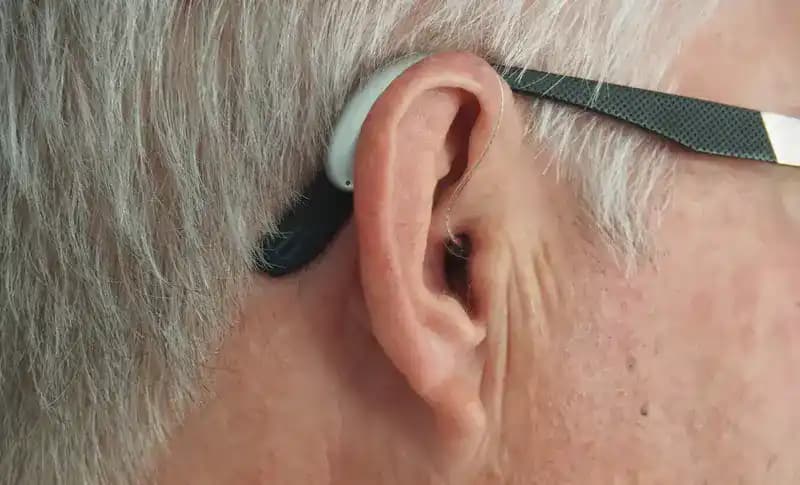
Explore the connection between ear infections and hearing loss. Learn about symptoms, treatments, and effective prevention strategies to protect your hearing health.
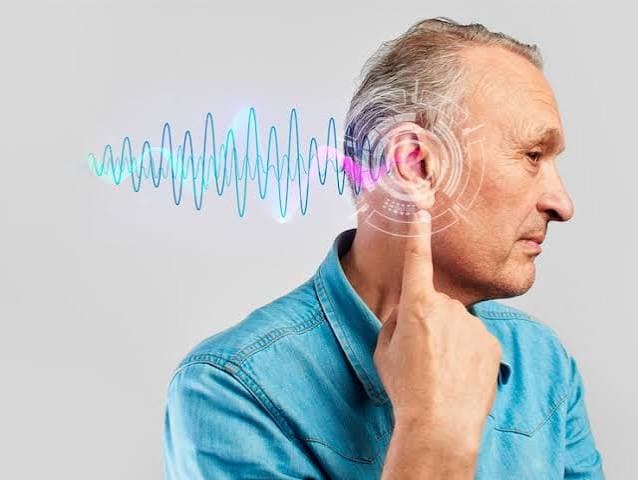
Hearing difficulty can occur even when your ears appear normal. Learn about the complex hearing pathway and why a normal ear exam doesn't always mean normal hearing.

Conductive hearing loss is a type of hearing impairment that occurs when sound waves are unable to pass freely through the outer or middle ear.

Hearing aid machines amplify sounds, making communication and daily activities easier for individuals with hearing loss. Explore types, benefits, and tips for selecting the right device.
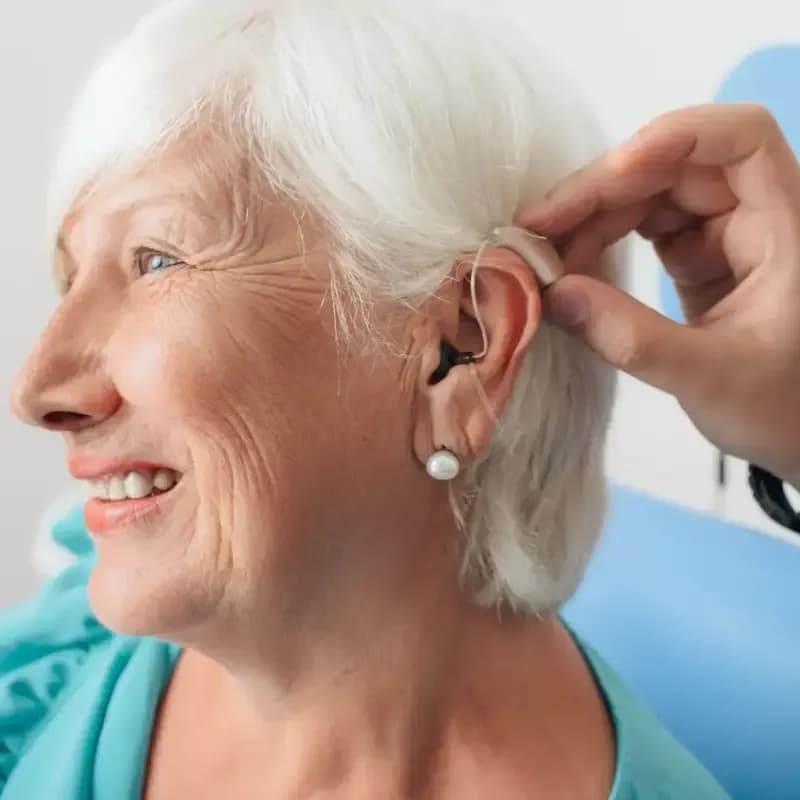
Explore the transformative power of digital hearing aids, their advanced features, benefits, and how they revolutionize hearing loss treatment. Learn to find the perfect device for your needs.
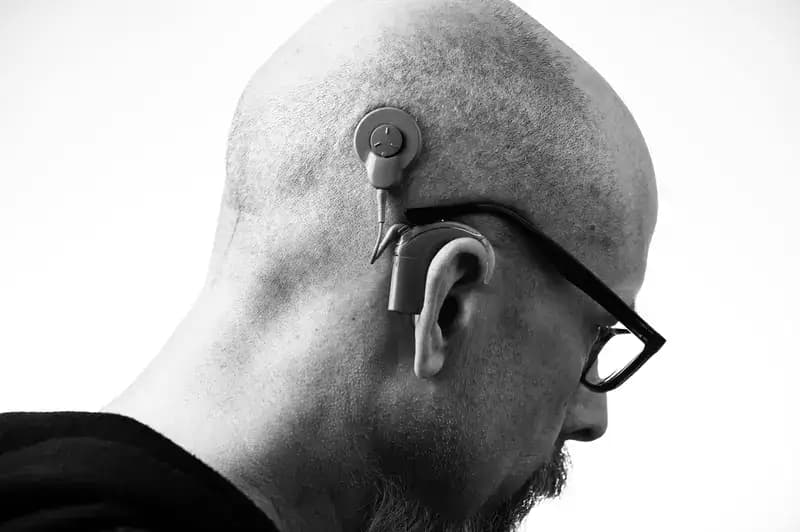
Hearing loss is a widespread condition that affects millions globally, impacting their communication and quality of life. This guide explores its causes, types, solutions, and real-life cases.

Hearing loss affects millions worldwide, impacting their ability to communicate, work, and engage in daily activities.
Expert answers from our medical team
Sudden sensorineural hearing loss (SSHL) — a rapid loss of hearing in one ear over 72 hours or less — is a medical emergency. It affects the inner ear or auditory nerve and requires same-day ENT evaluation. About 85% of cases have no identifiable cause (idiopathic SSHL); other causes include viral infection, autoimmune disease, vascular events, or acoustic neuroma. Treatment with high-dose oral corticosteroids started within 72 hours significantly improves recovery chances — delay reduces effectiveness sharply. Don't wait to see if it improves on its own. Many people initially dismiss it as a blocked ear from wax — if wax removal doesn't restore hearing immediately, go to an ENT urgently.
Hearing aids amplify sound and process it to compensate for your specific pattern of hearing loss — modern digital aids are programmable to your audiogram profile and adjust automatically to different environments. You should consider a hearing aid when hearing loss starts affecting daily life: difficulty following conversations (especially in noise or groups), frequently asking people to repeat themselves, needing the TV very loud, or withdrawing from social situations. The earlier you adopt a hearing aid after significant loss, the better the brain adapts. Untreated hearing loss is a major modifiable risk factor for dementia. In India, hearing aids range from basic models (government schemes provide free aids for eligible patients) to advanced digital models. An audiologist fitting is essential — over-the-counter amplifiers are not the same as a fitted hearing aid.
Tinnitus is the perception of sound — ringing, buzzing, hissing, clicking — in one or both ears without an external source. It affects roughly 15% of adults. Most tinnitus is sensorineural, linked to underlying hearing loss (often noise-induced), and has no single cure. But it can be effectively managed. Treatments that help: sound therapy (using background noise or white noise to reduce the contrast between the tinnitus and silence — especially important at night), cognitive behavioural therapy (CBT — the most evidence-supported treatment for tinnitus distress), hearing aids if hearing loss is present (amplifying ambient sound reduces tinnitus prominence), and tinnitus retraining therapy. Pulsatile tinnitus — rhythmic, beating in sync with your pulse — needs urgent investigation as it may indicate a vascular abnormality.
Vertigo — the sensation that you or the room is spinning — most commonly comes from the inner ear. BPPV (benign paroxysmal positional vertigo) is the most common cause: tiny calcium crystals in the inner ear dislodge and move into the semicircular canals, causing brief intense spinning triggered by head position change (rolling over in bed, looking up). It is effectively treated with the Epley manoeuvre — a specific sequence of head positions performed by a doctor or physiotherapist that repositions the crystals. Vestibular neuritis (viral inner ear inflammation) causes prolonged vertigo lasting days. Menière's disease causes episodes of vertigo with fluctuating hearing loss and tinnitus. Central causes (brainstem or cerebellum) are less common but more serious — vertigo with neurological symptoms needs urgent imaging.
Most ear infections in children follow a cold and resolve within 2-3 days with pain relief. Seek medical attention promptly if: your child has severe ear pain, high fever (above 39°C), discharge from the ear canal (sign of eardrum perforation — usually relieves pain but needs assessment), the child is under 6 months, or symptoms don't improve in 48-72 hours. Recurrent ear infections (3 or more in 6 months) warrant ENT referral — some children benefit from grommets (ventilation tubes) surgically placed in the eardrum to prevent fluid accumulation and improve hearing. Persistent fluid in the middle ear (glue ear) without infection can cause hearing loss that affects speech development in young children — school entry hearing tests catch this.
Questions from our community members
Ask our medical community. Your question may help others with similar concerns.
Verified specialists across India