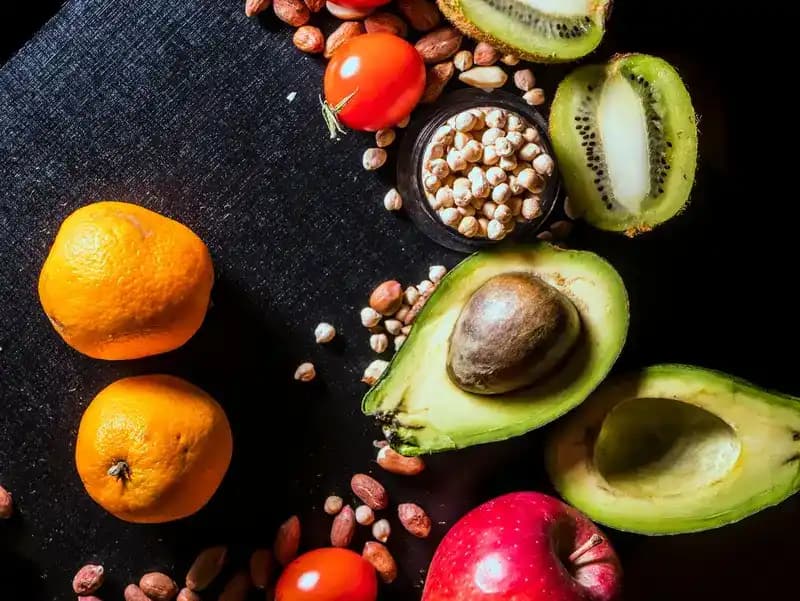
Achieve your weight loss goals with expert tips on weight loss meal prep, smoothies, and natural supplements like weight loss gummies and shots.
Frequently Asked Questions
What is the best Indian meal prep strategy for weight loss — how do I actually plan my food?
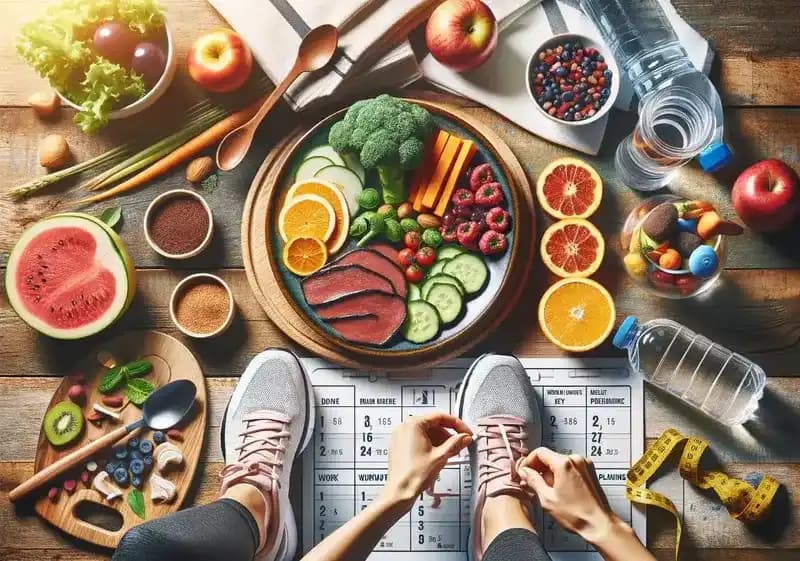
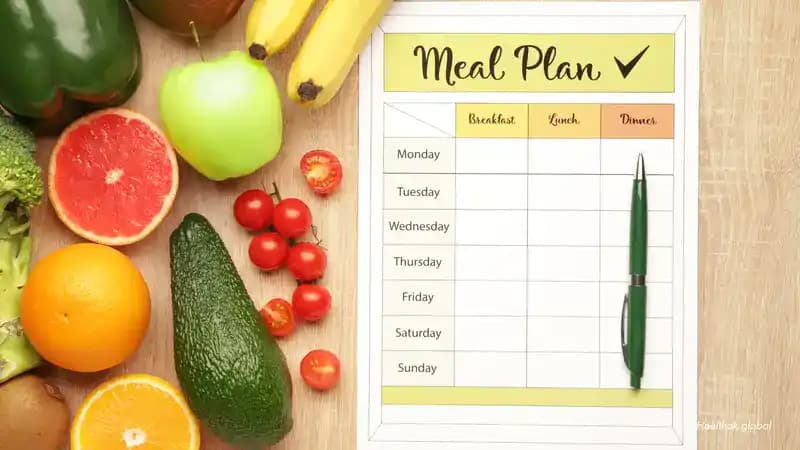
Weight loss meal prep for Indian cooking is simpler than Western meal prep guides suggest because Indian cooking naturally produces batch-friendly dishes. Caloric deficit basis: to lose approximately 0.5kg per week, a 500 kcal/day deficit is required (since 1kg body fat ≈ 7700 kcal). For most Indian adult women (sedentary to moderate activity), a target of 1200-1500 kcal/day achieves this; for men, 1500-1800 kcal/day. A practical Indian meal prep week: Sunday batch cooking (2 hours): pressure-cook 500g mixed dal (moong + masoor) — divides into 5 portions, each ~180 kcal, 12g protein; pressure-cook 1 cup brown rice — stores 3 days in fridge; chop and blanch seasonal vegetables (lauki, palak, bhindi, gobhi) — store in airtight containers; hard-boil 6-8 eggs (if non-veg) — 70 kcal each, 6g protein. Daily assembly from batch (20 min/meal): Breakfast: daliya (dry-cook 5 min) + chopped fruit; Lunch: 2 small rotis + pre-cooked dal + pre-cut sabzi; Dinner: 1 roti + dal khichdi (dal + rice already cooked — combine with ghee + jeera). Key principles: portion control is more important than ingredient selection (dal is healthy but 3 cups is not a diet); ghee/oil use is the biggest hidden calorie — measure 1 tsp (40 kcal) per meal not pour; protein at every meal suppresses ghrelin (hunger hormone) — aim for 20-25g protein per meal.
Do weight loss smoothies actually work — or are they a calorie trap?
Weight loss smoothies have significant potential as a meal tool — and significant potential as a calorie trap. The difference is entirely in composition. Smoothies that HELP weight loss: are built as meal replacements (300-400 kcal, high protein, high fibre); contain protein source: curd (5g per 100g), sattu (22g per 100g), peanut butter (8g per 2 tbsp), hemp seeds; contain fibre: whole fruits (not juice), spinach/methi leaves, chia/flax seeds; are low in added sugar: use ripe banana for sweetness instead of sugar or honey. A high-protein Indian weight loss smoothie (350 kcal, 20g protein): 200g plain curd (low-fat) + 1 banana + 1 cup palak/methi + 1 tbsp chia seeds + 1 tbsp sattu + a pinch of cinnamon + water to consistency. Smoothies that SABOTAGE weight loss (the common commercial versions): mango-banana smoothie with full cream milk + 2 tsp honey: 450-550 kcal, minimal protein, GI spike; packaged smoothie packets (Real, Tropicana, B-Natural): typically 150-250 kcal per 250ml, 20-40g sugar, minimal fibre — equivalent to a cola drink in glycaemic impact; açaí bowls at cafes: 500-700 kcal per serving with granola toppings. Liquid calories satisfy hunger less than solid meals because they skip the mechanical chewing process that contributes to satiety signalling. A smoothie as a MEAL SUPPLEMENT (extra calories on top of a meal) will cause weight gain, not loss. A smoothie as a MEAL REPLACEMENT (instead of a meal) can work if it meets the caloric and protein targets above.
Do weight loss gummies and natural supplements actually work — are they safe?
YMYL honest answer: the overwhelming majority of weight loss supplements sold in India — gummies, tablets, herbal capsules, fat burners, green tea extracts, garcinia cambogia — have either weak or no evidence of meaningful weight loss benefit beyond placebo. What the evidence shows: Garcinia cambogia: a 2011 Cochrane systematic review found statistically significant but clinically insignificant weight loss (1.37kg average over 2-12 weeks) vs placebo. Green coffee extract: similar pattern — small effect, no long-term safety data. Green tea catechins: modest metabolic effect (~80 kcal/day extra burn per meta-analysis) — negligible in the context of diet. CLA (conjugated linoleic acid): slightly reduces fat mass but often simultaneously increases inflammatory markers in Indian metabolic contexts. Weight loss gummies specifically: these are supplement capsules in gummy form with no additional mechanism; the 'metabolism-boosting' claim is largely unsubstantiated marketing. FSSAI regulation gap: weight loss supplements in India are governed by Schedule M2 (nutraceuticals) or sometimes unlicensed — many products make claims that would require clinical trial evidence but operate in a regulatory grey zone. Safety concerns: some thermogenic supplements (with synephrine, caffeine combinations) can cause elevated heart rate, hypertension, arrhythmia. Ephedra-containing products (banned in India per NDPS Act) have been found in seized shipments. Bottom line: spend the money on protein-rich foods (eggs, dal, curd), not supplements. If you want evidence-based weight loss medication, that conversation belongs with an endocrinologist — not a supplement company.
What are the 'weight loss shots' (GLP-1 injections like semaglutide/Ozempic) — are they available in India and are they safe?
GLP-1 receptor agonist injections (semaglutide — brand names Ozempic for T2D, Wegovy for obesity; also liraglutide/Victoza; dulaglutide/Trulicity) represent the most significant medical advance in obesity treatment in decades. How they work: GLP-1 agonists mimic a gut hormone that: signals the brain to reduce appetite (hypothalamic satiety pathway); slows gastric emptying (food stays in stomach longer → satiety lasts longer); improves insulin sensitivity. Evidence: the SURMOUNT-1 trial (tirzepatide) showed 22.5% body weight reduction over 72 weeks — unprecedented in drug-based obesity therapy. The SCALE trial (liraglutide) showed 8% weight loss vs 2.6% placebo. India availability as of 2026: Semaglutide (Ozempic 0.5mg/1mg, Victoza/Saxenda): available but expensive — Ozempic 0.5mg monthly injection approximately ₹3000-5000 per pen; Wegovy (higher-dose obesity indication) approved in India but limited availability. These are PRESCRIPTION MEDICATIONS for diagnosed T2D (Ozempic, Victoza) or obesity BMI≥30 (Wegovy, Saxenda). Who should NOT take them: history of pancreatitis; personal or family history of medullary thyroid cancer or MEN-2 syndrome; severe renal impairment; pregnant or breastfeeding. Side effects: nausea (most common, usually transient); vomiting; diarrhoea; constipation; rare: pancreatitis, gallbladder disease. IMPORTANT: these are not 'wellness shots' or weight loss shortcuts. They require a prescription from an endocrinologist or diabetologist, regular monitoring (HbA1c, renal function, thyroid if applicable), and should be combined with dietary changes. When stopped, weight regain is common without sustained lifestyle changes. If you are interested, consult an endocrinologist at a NABH-accredited hospital — not a 'weight loss clinic' or wellness spa.
Questions About This Article
Have a question? Ask the author directly.
Have a question about this article?
Ask Zocvi Editorial directly. Your question may help others with similar concerns.


Comments (0)