Manage Your Diabetes: Tips for Blood Sugar Control

Learn practical strategies to effectively manage your diabetes and gain better control over your blood sugar levels. This guide offers actionable tips for daily living.

Digestive Procedures & Tests covers endoscopy, colonoscopy, FibroScan, and the diagnostic tools gastroenterologists use to evaluate symptoms. Our doctors and editorial team explain when each test is genuinely indicated, what to expect during the procedure, how to prepare, and how to interpret findings.
Last reviewed: 11 August 2026
Learn practical strategies to effectively manage your diabetes and gain better control over your blood sugar levels. This guide offers actionable tips for daily living.

6 effective methods for preventing hypertension: control your stress, maintain a healthy weight, consume a well-balanced diet, reduce salt intake, engage in regular exercise, and keep track of your blood pressure. By incorporating these habits into your daily routine, you can significantly lower your risk of hypertension and promote overall well-being.#hypertension #diabetes #health #healthylifestyle #bloodpressure #highbloodpressure

There’s a reason diabetes is called a silent disease. Most people don’t even realise something’s wrong until years later — when the damage is already done. It doesn’t always start with the “classic” symptoms you hear about, like excessive thirst or frequent urination. Sometimes it’s just small things you barely notice: feeling unusually tired, a cut that takes longer to heal, or waking up with a dry mouth. Easy to ignore, right? That’s how it sneaks in quietly. What’s scarier is that it’s not just an “older person’s problem” anymore. These days, more and more young adults — even teenagers — are being diagnosed. Long hours at desks, ready-to-eat meals, stress, and late-night screen time are all quietly adding fuel to the fire. Here’s the thing: you don’t need to wait for symptoms. A simple blood sugar check once or twice a year can catch issues early. If diabetes runs in your family, it’s even more important. And no, you don’t need to turn your life upside down — small changes like swapping a fizzy drink for water, adding a 20-minute walk to your day, or getting decent sleep can go a long way. Diabetes doesn’t announce its arrival. But you can stay a step ahead — by listening to your body and taking action before it’s too late.

Case study: How Zocvi enables monitor Blood Pressure and Blood Sugar monitoring for parents in India
Vague definitions of recovery lead to inconsistent care. A structured 3-phase KPI framework — define success by condition, capture progress in the EMR, review monthly — that clinics can adopt without adding admin overhead.
Even small clinics can improve treatment effectiveness with basic data. A practical guide to clinical KPIs, simple EMR templates, and outcome tracking that doesn't require expensive tools or a data analyst.

Moving from instinct to evidence helps clinics deliver more consistent, higher-quality care. A practical 4-step framework for adopting data-driven medicine using clinical KPIs, protocols, and monthly outcome review.
Standardised, data-driven care is now essential for Indian clinics. A practical guide to implementing evidence-based medicine — priority conditions, protocol standardisation, outcome metrics, and staff training.

Outcome-based care shifts a clinic from volume to value. A practical guide to building the culture — clinical goals, KPI transparency, team alignment, and automation that sustains the workflow.
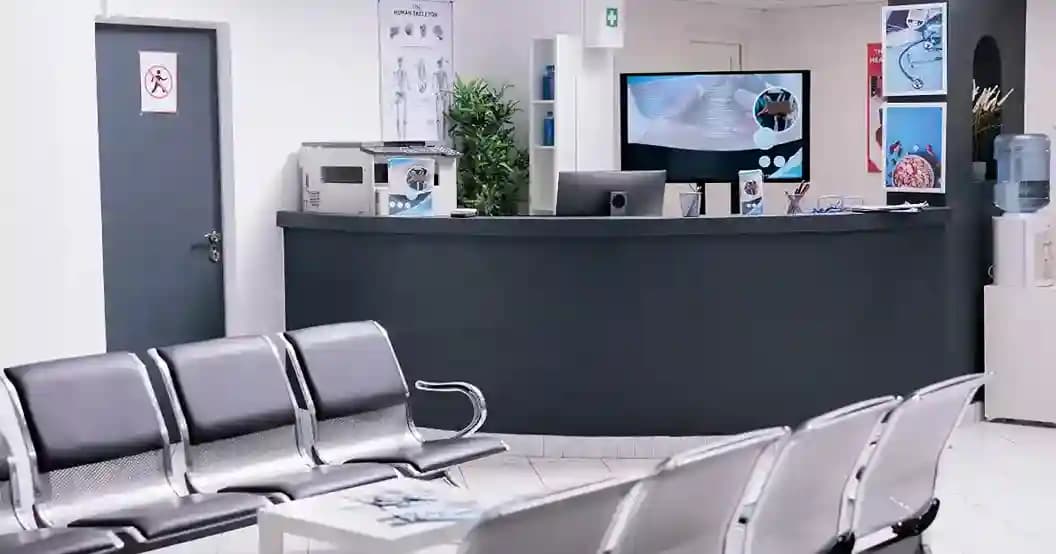
Outcome-based care is now a competitive necessity. A practical guide to defining clinical KPIs, tracking treatment progress through EMR/PMS, running audits, and closing the follow-up loop.
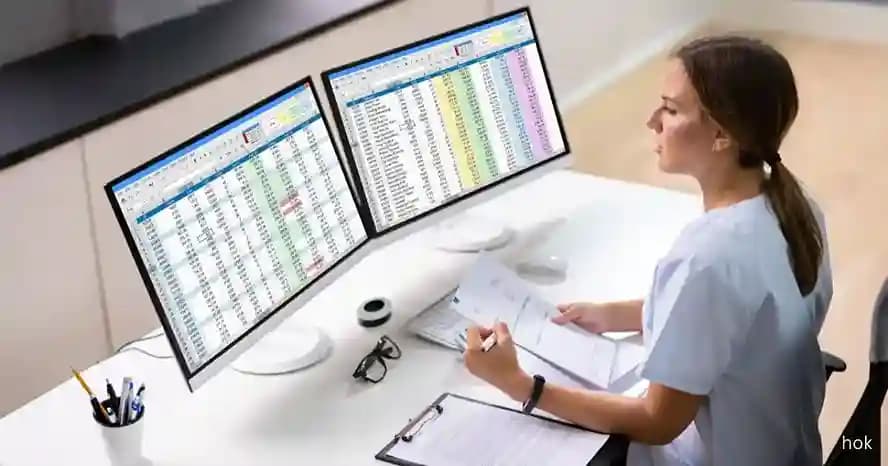
Clinical KPIs turn treatment quality from an anecdotal impression into a measurable output. Five essential clinical KPIs Indian doctors and clinic admins should track, with definitions, formulas, and implementation guidance.
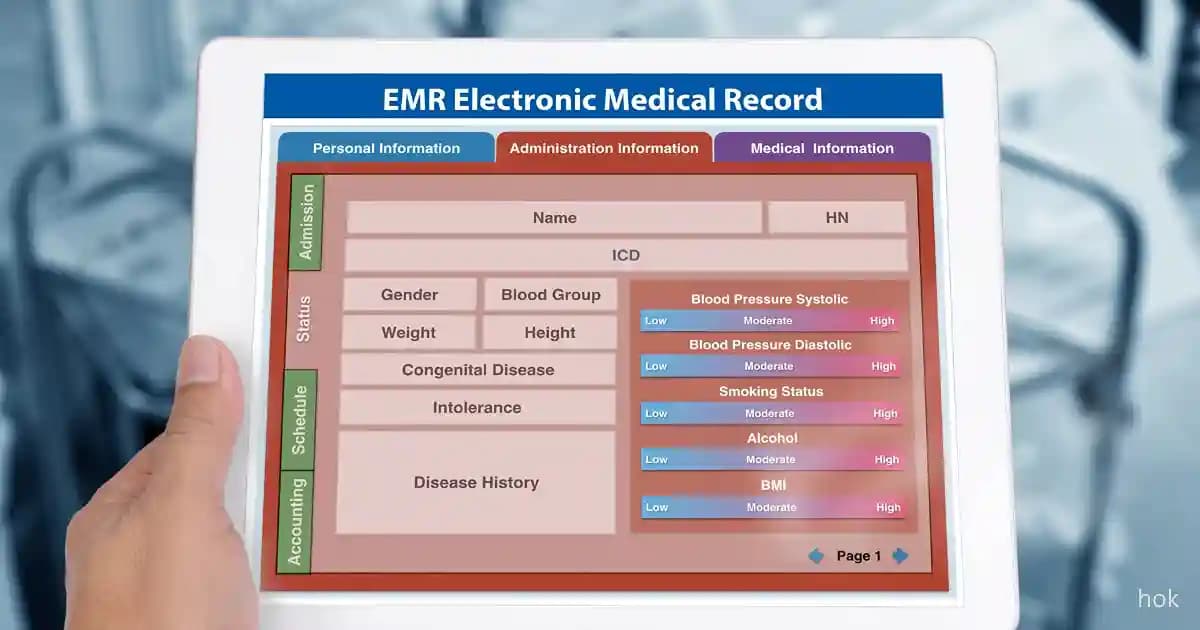
Small hospitals face pressure to deliver quality outcomes with limited resources. EMR analytics turn digital records into decision-making tools — five key metrics that measurably improve care.

Explore how to care for aging parents when living far away. Learn tips, strategies, and how Zocvi supports remote caregivers with technology, safety, and compassion.
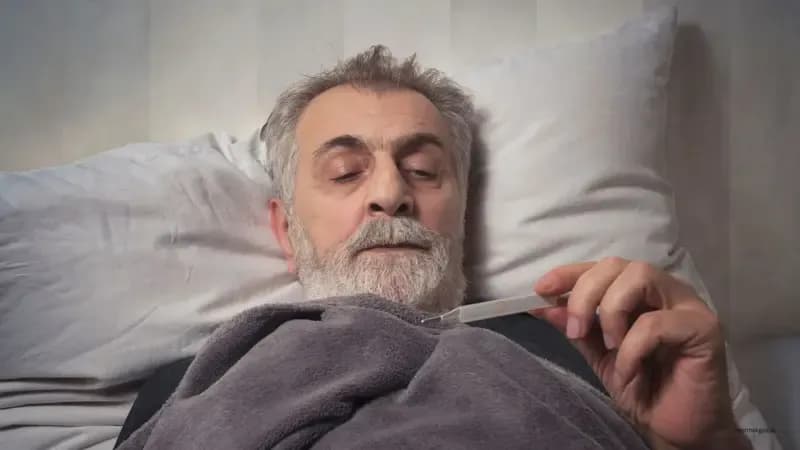
A complete NCP for patients presenting with fever and vomiting. NANDA nursing diagnoses (Hyperthermia, Fluid Volume Deficit, Nausea), assessment framework, and evidence-based interventions with expected outcomes.
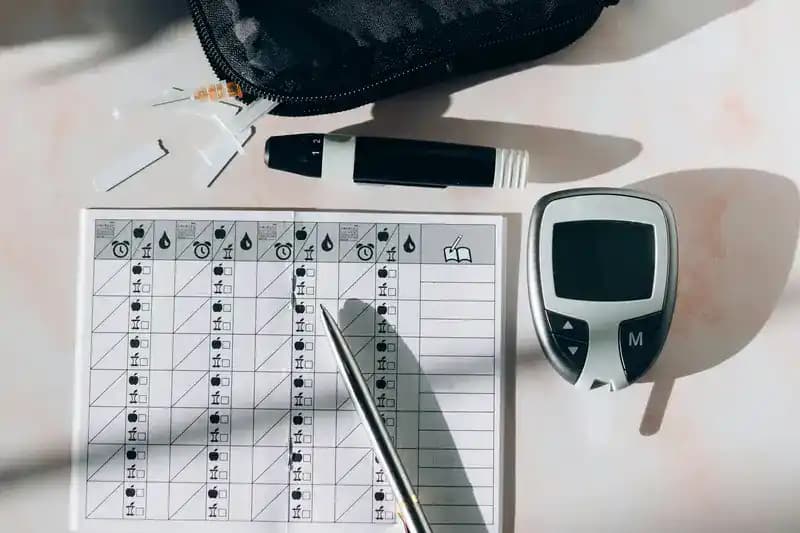
Navigating diabetes management or simply maintaining awareness of one's blood sugar levels requires understanding and utilizing a variety of tools, one of the most crucial being the blood sugar conversion chart.
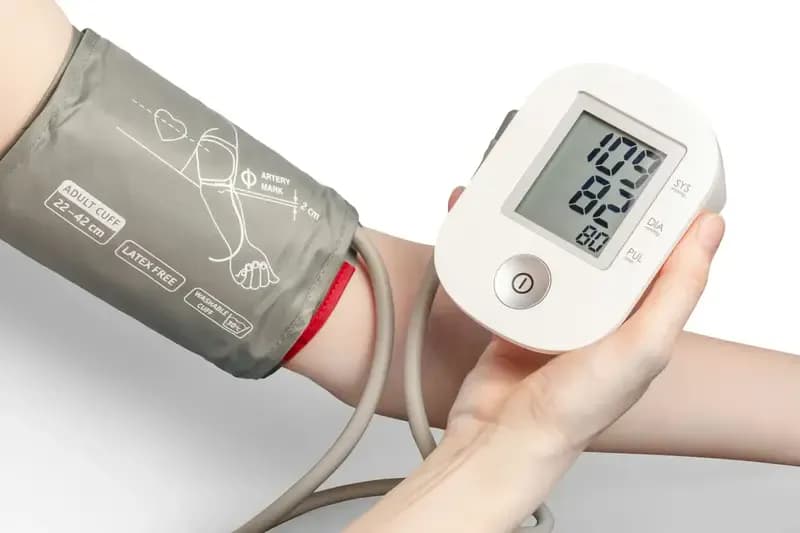
Learn how to effectively manage hypertension and pulmonary hypertension with self-care strategies, lifestyle changes, and medication guidance.

Discover how remote healthcare is transforming the lives of elderly individuals living alone in India. Learn about the benefits, challenges, and solutions it offers to promote independent living.
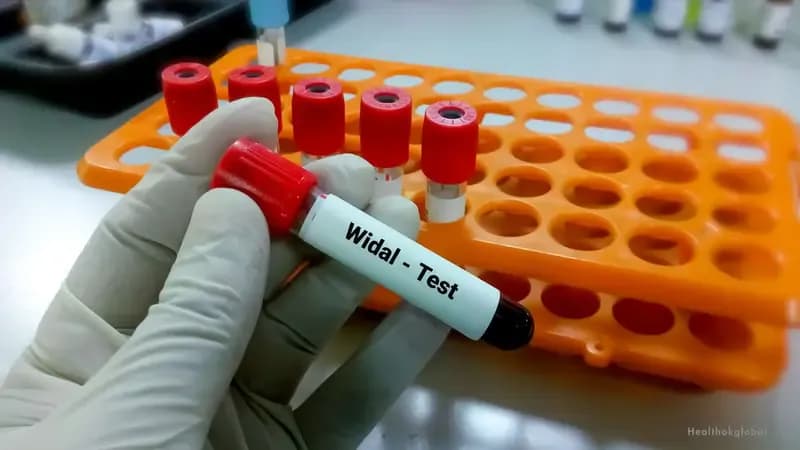
The Widal test is a diagnostic tool used to detect typhoid fever and other enteric fevers caused by Salmonella bacteria.
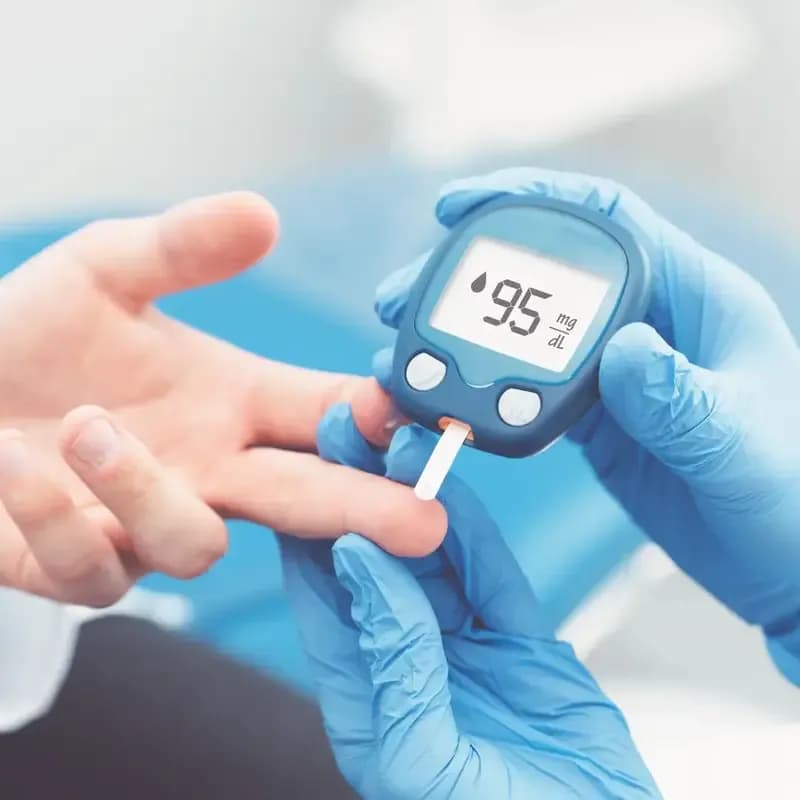
Blood sugar levels play a crucial role in overall health, especially for individuals managing conditions like diabetes.
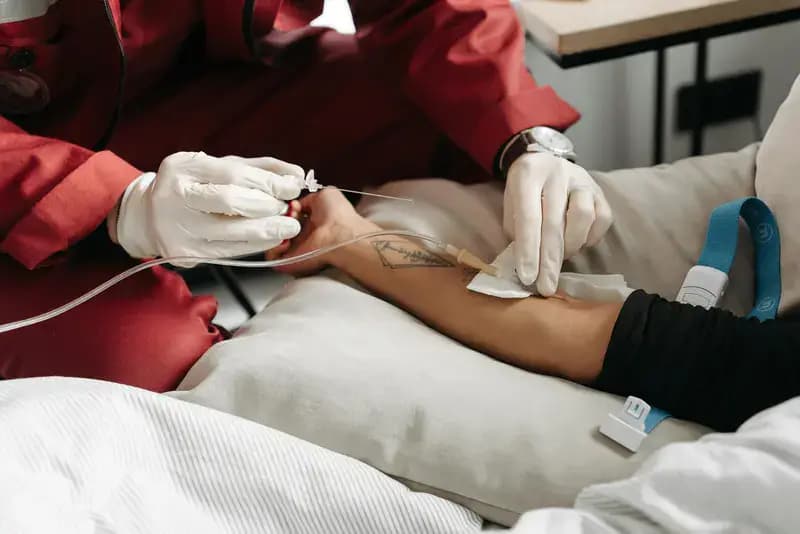
Home health tests have gone mainstream in India. BP monitors, glucometers, cholesterol strips, pregnancy tests, urine strips. Here is what each actually measures reliably, when to trust the result, and when you still need a proper lab or doctor.
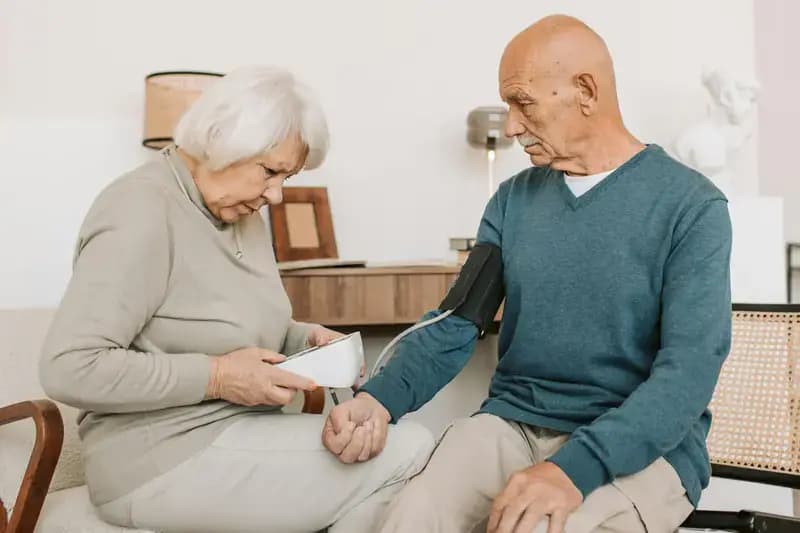
Blood pressure, a critical health indicator, fluctuates throughout the day due to various factors.
Verified specialists across India
An endoscopy uses a thin flexible tube with a camera to look at the upper digestive tract (food pipe, stomach, first part of small intestine). It's used for persistent reflux, unexplained upper abdominal pain, vomiting blood, difficulty swallowing, or to biopsy suspicious areas. It takes 10-15 minutes, usually under light sedation, and you go home the same day.
Endoscopy looks at the upper GI tract from the mouth down. Colonoscopy looks at the large intestine from below, usually to investigate blood in stool, bowel changes, or as a colon cancer screening from age 45-50. Colonoscopy requires 24 hours of bowel preparation (usually a laxative solution), which many people find worse than the procedure itself. Both are done under sedation and take 30-60 minutes.
Both are done under sedation — most patients don't remember the procedure. You may have some throat discomfort after endoscopy or bloating after colonoscopy. Serious complications (bleeding, perforation) are rare — less than 1 in 1000. Choose a doctor and centre with experience: high-volume centres have lower complication rates.
For endoscopy: no food for 6-8 hours, no water for 2 hours before. For colonoscopy: low-fibre diet for 2-3 days before, clear liquids the day before, and a bowel-prep solution taken the evening and early morning before. Follow the exact instructions from your doctor — inadequate prep means missed findings and a repeat procedure.
During endoscopy or colonoscopy, doctors can biopsy suspicious areas, remove polyps, treat bleeding, or dilate strictures — all in the same session. Biopsy results take 3-7 days. Removing a polyp during colonoscopy is standard and often prevents cancer down the road. The doctor will explain findings the same day and give you a written report.
Ask our medical community. Your question may help others with similar concerns.
No questions yet. Be the first to ask!