

Introduction
In 2025, running a patient-centered clinic in India means going beyond consultations and prescriptions. It requires quantifying care quality through measurable metrics. Clinical Key Performance Indicators (KPIs) help doctors understand what’s working, what’s not, and how to improve patient outcomes.
Why Tracking Clinical KPIs Matters
Clinics that consistently track and act on clinical KPIs make faster protocol adjustments and see steadier improvements in patient outcomes than clinics running on intuition. The gain isn't from any single number — it's from having a monthly cadence of reviewing the data, spotting drift, and adjusting protocols before quality issues compound.
- Measure patient health objectively rather than by impression
- Deliver evidence-based care with room to refine protocols over time
- Standardise treatment quality across doctors within the practice
- Drive continuous improvement with signal rather than anecdotes
Top Clinical KPIs Indian Doctors Should Track in 2025
- Recovery Time Against Baseline: Tracks how long patients take to recover versus expected timelines.
Metric: % of patients recovered within target timeframe. - Treatment Success Rate: Measures the ratio of clinically successful treatments.
Metric: Successful outcomes ÷ total cases × 100. - Patient Outcome Score (POS): Combines clinical metrics with patient-reported feedback.
Metric: Weighted average of lab values, symptom relief, and subjective scores. - Follow-Up Compliance Rate: % of patients who return for scheduled follow-ups.
Metric: Attended follow-ups ÷ scheduled follow-ups × 100. - Re-admission Rate Within 30 Days: Monitors recurring visits within a month.
Metric: Repeat visits ÷ total discharges × 100.
How to Track KPIs Easily with Technology
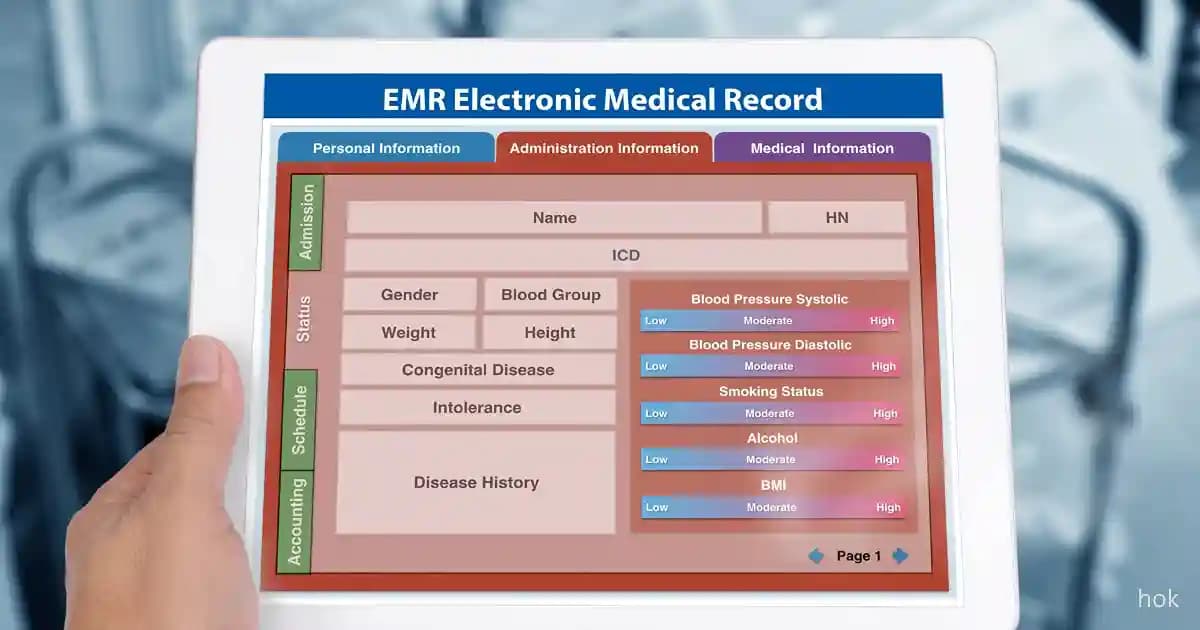
Manual KPI tracking is error-prone and time-consuming. Modern PMS/EMR platforms simplify this with:
- EMR-integrated KPI dashboards that capture data as a by-product of normal workflow
- Custom reports by specialty
- Alerts for anomalies (spike in readmissions, drop in follow-up compliance)
- Auto-tracked recovery and follow-up data linked to individual patient records
Best Practices for Implementing KPIs
- Start with 3-5 core indicators — trying to track 15 KPIs from day one guarantees no one looks at any of them
- Display KPI metrics on dashboards visible to the team, not just management
- Conduct monthly KPI reviews with the clinical team; use findings to refine protocols
- Train staff on the purpose behind each KPI — measurement without context becomes surveillance
Conclusion
The hardest part of clinical KPI adoption isn't picking metrics — it's building a team culture where measurement feels like protocol improvement, not doctor evaluation. Frame KPI reviews around what the data suggests changing in the standard-of-care template, not around which doctor's numbers look weakest. Once the framing lands, adoption follows. Get the framing wrong and even good tools die within six months.
About Zocvi
Zocvi connects patients with verified doctors and evidence-based health guidance. Visit zocvi.com or reach us on WhatsApp at +91-92724-57637.












Comments (0)