How to Measure and Improve Treatment Outcomes in Your Clinic

How to Measure and Improve Treatment Outcomes in Your Clinic

Overview

Outcome-based care is now a competitive necessity. A practical guide to defining clinical KPIs, tracking treatment progress through EMR/PMS, running audits, and closing the follow-up loop.

Introduction

In an era of outcome-based care, measuring and improving treatment outcomes is no longer optional—it’s essential. For Indian doctors and clinic owners, especially in small and mid-sized practices, clinical performance directly impacts patient satisfaction, reputation, and revenue.

Why Measuring Treatment Outcomes Matters

Structured outcome measurement supports four concrete clinical goals:
  • Earlier detection of ineffective protocols — treatment approaches that under-perform for your patient mix
  • Standardised care across patients and across doctors within a practice
  • Improved recovery timelines through evidence-based protocol refinement
  • Data-driven medical decision-making rather than intuition-based practice
Without structured measurement, clinical protocols cannot be refined, and quality gaps stay invisible until they compound.

Define Relevant Clinical KPIs for Your Practice

Start with KPIs that reflect true clinical success:
  • Recovery rate within expected timeframes
  • Adherence to treatment plans
  • Reduction in symptom severity
  • Relapse or re-admission rates
Use PMS tools to track and benchmark these KPIs over time.

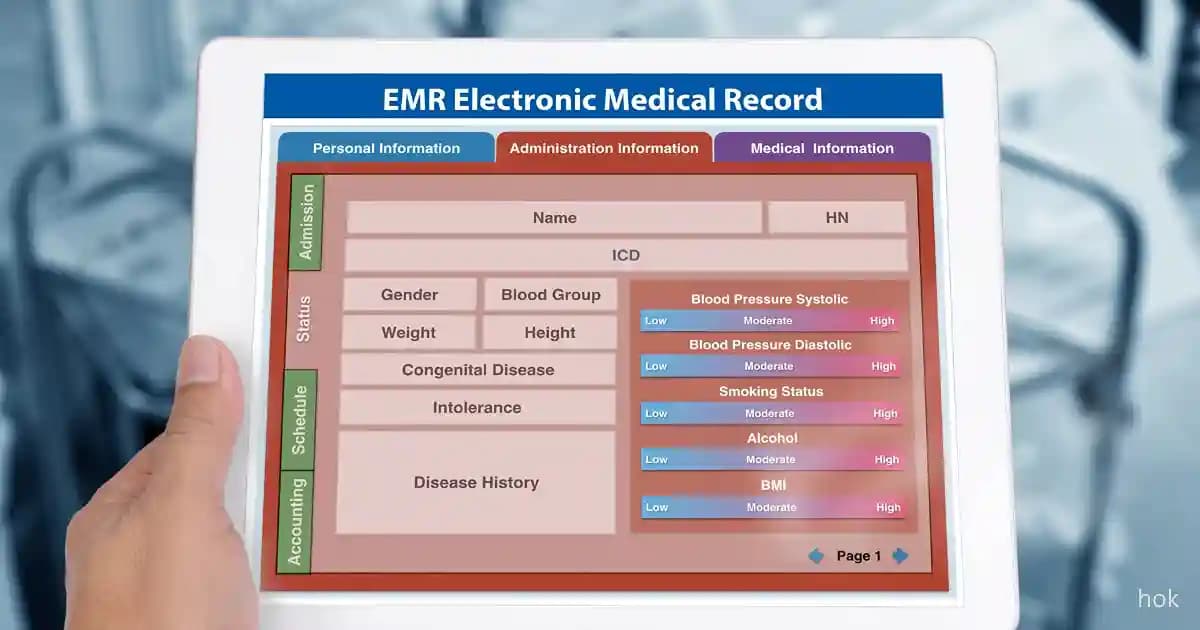
Use EMR and PMS Tools to Track Progress

Modern EMR/PMS platforms help clinics track:
  • Treatment durations vs expected recovery timelines by condition
  • Missed-appointment patterns tied to protocol adherence
  • Drop-offs in chronic care plans before they become clinical events
These insights reduce guesswork in patient management and turn recovery from an anecdotal impression into a measurable output.

Implement Clinical Audits and Peer Reviews

Monthly or quarterly audits with PMS-generated reports help evaluate real performance. Peer discussions on KPI trends reveal gaps and support collaborative improvement.

Train Staff and Improve Documentation

Effective treatment tracking starts with accurate staff documentation. Teams should record:
  • Baseline health stats
  • Treatment milestones
  • Complications or side effects
  • Discharge summaries
Digital SOPs ensure consistency and speed during onboarding.

Close the Loop with Follow-Up Tracking

Post-treatment follow-ups directly improve measurable outcomes — recovery adherence, early detection of complications, and chronic-condition management. Use PMS-integrated reminders (or WhatsApp workflows) to schedule and track post-treatment check-ins, progress reviews, and ongoing engagement. Without a closed loop, outcome measurement stops at the last visit.

Conclusion

The point of outcome measurement isn't the dashboard — it's the protocol change the dashboard prompts. Clinics that measure outcomes but never change protocols get a nice-looking report and no clinical improvement. Build the loop end-to-end: measure this quarter, identify the protocol that under-performed, adjust it next quarter, measure again. That loop is where care quality actually improves; the KPI dashboard is just the instrument.

About Zocvi

Zocvi connects patients with verified doctors and evidence-based health guidance. Visit zocvi.com or reach us on WhatsApp at +91-92724-57637.


Follow Zocvi

Stay connected with Zocvi for expert health advice. Follow us on Facebook, LinkedIn, and Instagram.

Frequently Asked Questions

What’s the difference between clinical KPIs and general health metrics?

Clinical KPIs are tied to specific treatment goals and outcomes, while general health metrics may be broader and less specific to medical performance.

How often should treatment outcomes be measured?

Monthly KPI reviews are ideal. High-volume clinics may benefit from weekly tracking, especially when implementing new protocols.

Is a PMS necessary for outcome tracking?

Yes. Manual tracking is inefficient. PMS platforms automate KPI reporting and reduce errors, improving decision-making speed and accuracy.

Can small clinics benefit from this approach?

Absolutely. Even small practices can reduce readmissions, improve care, and boost patient loyalty with outcome-focused workflows.

Should a clinic use pre-built KPI templates or define its own?

Start with pre-built templates for your specialty if the PMS provides them — faster to launch, tested against common patterns. But customise within the first 90 days based on what your patient mix actually reveals. Off-the-shelf KPIs are a starting point, not a final answer; the ones that stick are the ones tuned to your specific case volume and protocol choices.

Questions About This Article

Have a question? Ask the author directly.

Have a question about this article?

Ask Zocvi Editorial directly. Your question may help others with similar concerns.

Q:1 answer
Q:1 answer
Q:1 answer
Q:1 answer
Q:1 answer

Comments (0)

Found this helpful? Share it!

LinkedInWhatsApp

More from Zocvi Editorial

Other Articles You May Like

Related Topics

Find a Doctor for Operational Efficiency

Verified specialists across India

Dr. Saloni Kabra

Homoeopath

7 yrs

Indore

Homeopathic Hooman Clinic
Chhatribag, Near Shri Devi Ahilya Shishu Vihar School, Indore, Madhya Pradesh, 452002
₹800 consultation
EmailWhatsApp

Dr. Prashant Jain

Ayurvedic Doctor

12 yrs

Delhi

Nirmal Ayurved
Shahdara – Jyoti Nagar West, Delhi, Delhi, 110094
Fee on request
EmailWhatsApp

Dr. Ambuj Arora

Dentist

12 yrs

Muzaffarnagar

12, Dr Suresh Medical Complex, Bhagat Singh Road, Muzaffarnagar
Nabab Ganj, Muzaffarnagar, Uttar Pradesh, 251002
₹250 consultation

Dr. Rajan Bhargava

ENT Specialist

30 yrs

Kanpur

Dr. Rajan Bhargava Clinic
Brahm Nagar, Kanpur, Uttar Pradesh, 208012
₹700 consultation