Building a Culture of Outcome-Based Care in Your Practice

Building a Culture of Outcome-Based Care in Your Practice

Overview

Outcome-based care shifts a clinic from volume to value. A practical guide to building the culture — clinical goals, KPI transparency, team alignment, and automation that sustains the workflow.

Introduction

Healthcare in India is shifting from volume-driven to value-driven care. That means not just seeing more patients—but helping them get better. Outcome-based care helps clinics achieve this by focusing on measurable treatment results. While it requires a mindset shift, clinics that embrace it often see higher retention, better outcomes, and improved efficiency.

What Is Outcome-Based Care?

Outcome-based care means evaluating success by what happens after treatment. Do symptoms improve? Are there fewer complications? Is quality of life better? This approach shifts clinics from reactive to proactive, results-oriented care.

Why It Matters

  • Better decisions: data-backed choices improve outcomes over time
  • Higher patient trust: measurable care with visible progress markers builds loyalty
  • Regulatory alignment: supports NABH accreditation and NMC quality standards
  • Profitability: reduces waste (unnecessary tests, protocol drift) and improves resource utilisation
Clinics that systematically track outcome-based KPIs tend to see stronger long-term patient retention than clinics operating on intuition alone.

5 Steps to Build a Culture of Outcome-Based Care

  1. Define your clinical goals: choose outcomes that genuinely matter to patients in your specialty — HbA1c control for diabetes, BP targets for hypertension, pain scores for orthopaedic recovery. Two to three primary outcomes per specialty is enough to start.
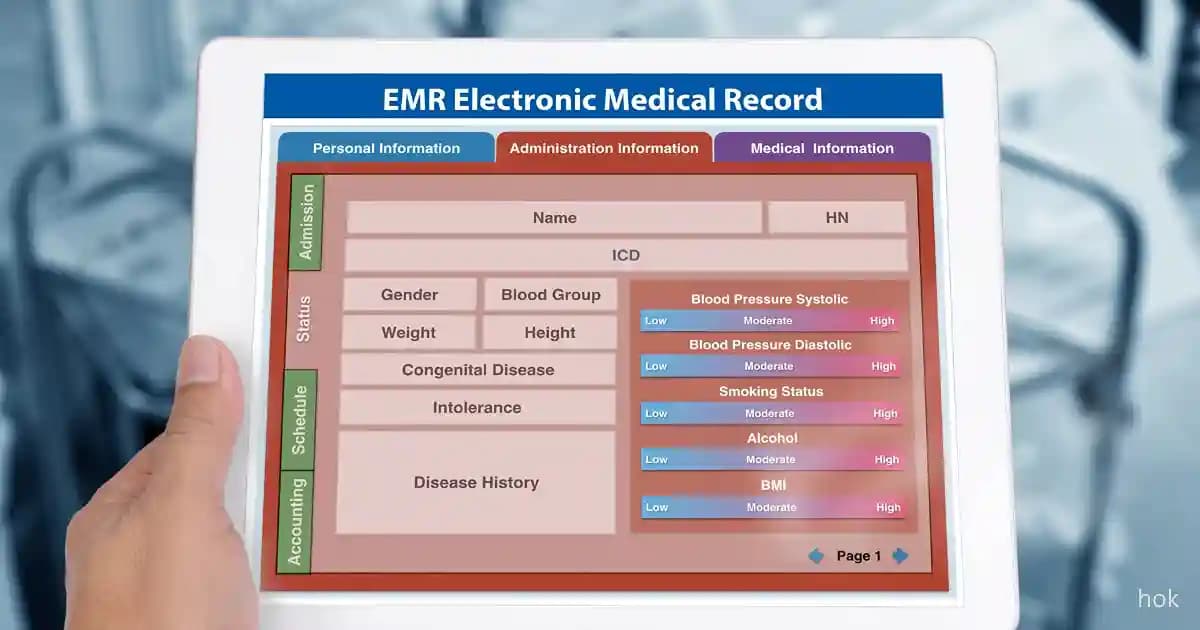
  2. Track the right metrics: use EMR/PMS to monitor symptom scores, treatment adherence, and reconsultation rates. Capture data as a by-product of visit workflow, not as extra documentation.
  3. Make data transparent: share monthly progress dashboards with the whole team. Celebrate genuine wins; treat missed targets as protocol-improvement opportunities rather than performance judgements.
  4. Involve the whole team: train clinical and non-clinical staff on the metrics and why they matter. Use daily huddles to reinforce outcome focus and assign clear accountability for follow-through.
  5. Automate what compounds: automated care plans, reminders, and outcome reporting save time while improving consistency. Manual outcome tracking often lasts 3-6 months before staff give up; automation makes it sustainable.

Conclusion

Outcome-based care is a culture change first, a technology change second. Build the discipline of measurement, monthly review, and protocol refinement — then let tools scale what already works. Clinics that treat it as a compliance checkbox rarely see benefits; clinics that embed it in daily workflow see the improvements compound.

About Zocvi

Zocvi connects patients with verified doctors and evidence-based health guidance. Visit zocvi.com or reach us on WhatsApp at +91-92724-57637.


Follow Zocvi

Stay connected with Zocvi for expert health advice. Follow us on Facebook, LinkedIn, and Instagram.

Frequently Asked Questions

What is the first step in adopting outcome-based care?

Start by defining 3–5 measurable outcomes relevant to your patient base, such as recovery timelines or chronic disease control rates.

How do I track progress over time without hiring a data team?

Modern EMR/PMS platforms include no-code dashboards accessible to doctors and admins. For solo practices, a monthly spreadsheet works well. What matters more than the tool sophistication is the discipline of monthly review — 30 minutes with the clinical team looking at 3-5 outcome metrics catches most drift early.

What outcome reports should a clinic share with the team?

Aggregate results only — no individual patient identification, no doctor-level shaming. Frame data as protocol effectiveness questions ('Protocol A achieved target in 62% of cases; Protocol B achieved 48% — should we standardise on A?') rather than performance evaluation. The framing determines whether the review culture becomes constructive or defensive.

Will patients understand outcome-based care?

Yes — often better than doctors expect. Simple outcome reports ("Your HbA1c has improved from 8.2 to 7.4 over 6 months") give patients a sense of measurable progress and reinforce adherence. Skip the technical jargon; show trends over time visually if possible.

How affordable is outcome tracking for small clinics?

The tool cost is usually small; the discipline cost is larger but pays back. For solo practices, a well-maintained spreadsheet and monthly 30-minute review costs almost nothing. For multi-doctor clinics, integrated PMS-embedded tracking scales without adding manual overhead. Cost isn't usually the blocker — sustained review discipline is.

Questions About This Article

Have a question? Ask the author directly.

Have a question about this article?

Ask Zocvi Editorial directly. Your question may help others with similar concerns.

Q:1 answer
Q:1 answer
Q:1 answer
Q:1 answer
Q:1 answer

Comments (0)

Found this helpful? Share it!

LinkedInWhatsApp

More from Zocvi Editorial

Other Articles You May Like

Related Topics

Find a Doctor for Operational Efficiency

Verified specialists across India

Dr. Saloni Kabra

Homoeopath

7 yrs

Indore

Homeopathic Hooman Clinic
Chhatribag, Near Shri Devi Ahilya Shishu Vihar School, Indore, Madhya Pradesh, 452002
₹800 consultation
EmailWhatsApp

Dr. Prashant Jain

Ayurvedic Doctor

12 yrs

Delhi

Nirmal Ayurved
Shahdara – Jyoti Nagar West, Delhi, Delhi, 110094
Fee on request
EmailWhatsApp

Dr. Ambuj Arora

Dentist

12 yrs

Muzaffarnagar

12, Dr Suresh Medical Complex, Bhagat Singh Road, Muzaffarnagar
Nabab Ganj, Muzaffarnagar, Uttar Pradesh, 251002
₹250 consultation

Dr. Rajan Bhargava

ENT Specialist

30 yrs

Kanpur

Dr. Rajan Bhargava Clinic
Brahm Nagar, Kanpur, Uttar Pradesh, 208012
₹700 consultation