
How Remote Healthcare Supports Elderly Living Alone in India

How Remote Healthcare Supports Elderly Living Alone in India

Dr. Saloni Kabra

Book Online

Homoeopath

7 yrs

Indore

Clinic
Indore
Fee on request
Email

Dr. Saloni Kabra

Book Online

Homoeopath • 7 yrs • Indore

Indore

Clinic
Indore
Fee on request
Email
Overview

Discover how remote healthcare is transforming the lives of elderly individuals living alone in India. Learn about the benefits, challenges, and solutions it offers to promote independent living.

Introduction

Caring for elderly family members, especially those living alone, is a growing concern in India. With families spread across cities or countries, ensuring the well-being of aging parents can be challenging. Remote healthcare is emerging as a practical solution, enabling seniors to maintain independence while receiving continuous care.

What Is Remote Healthcare for Seniors?

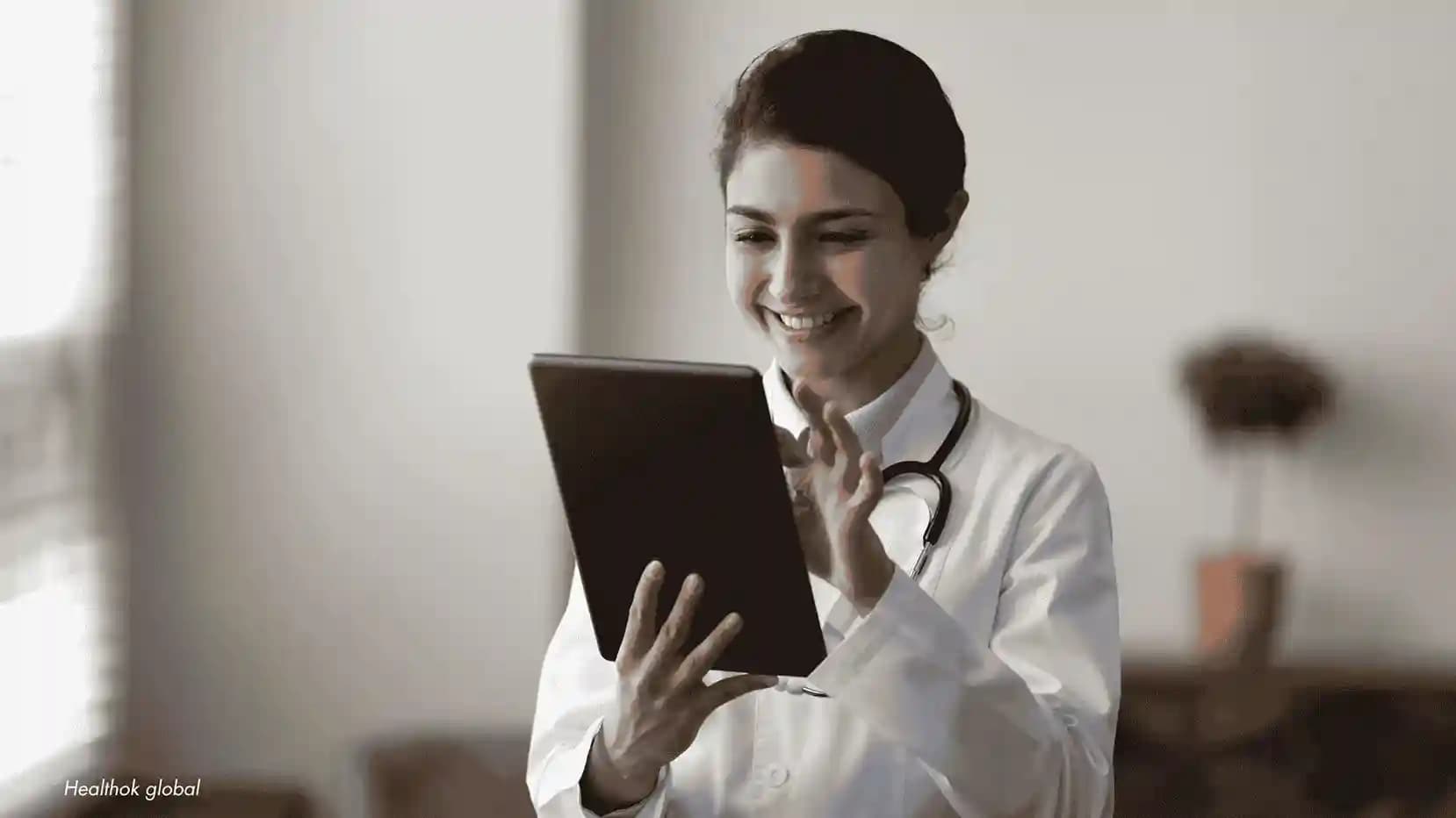
Remote healthcare involves leveraging technology to monitor and manage the health of elderly individuals from a distance. Services include teleconsultations with doctors, regular health checkups, and monitoring vitals using wearable devices or smart tools. It ensures timely medical interventions and provides consistent support to seniors without requiring constant physical presence.

Key Benefits of Remote Healthcare for Elderly Living Alone

Wearable devices and home-based tools track vital metrics like blood pressure, sugar levels, and oxygen saturation. This data is shared with healthcare providers, enabling early detection of irregularities and prompt action.

1. Continuous Monitoring for Better Health

Teleconsultations eliminate the need for seniors to travel to clinics or hospitals, providing timely medical advice from the comfort of their homes.

2. Convenient Doctor Consultations

Remote healthcare systems include instant alert mechanisms to notify family members and arrange emergency medical care during urgent situations.

3. Immediate Support

Reminders and online ordering support ensure seniors take their medications as prescribed, reducing health risks.

4. Medication Management

Real-time updates and easy communication channels offer families reassurance, knowing their loved ones are under continuous care.

5. Peace of Mind for Families

Why Is Remote Healthcare Essential in India?

India’s aging population is growing, with many seniors living independently. However, healthcare access remains inconsistent, particularly in remote areas. Remote healthcare bridges this gap, offering tailored services for elderly needs and enhancing their quality of life.

Features of a Comprehensive Remote Healthcare Plan

Wearable devices like fitness trackers, smart blood pressure monitors, and glucometers provide real-time health data.

1. Health Monitoring Tools

Video and phone consultations connect seniors with general physicians, specialists, and mental health counselors.

2. Telemedicine Services

Personalized diet plans and routine guidance help seniors maintain their health and stay active.

3. Diet and Lifestyle Guidance

Scheduled checkups at home or nearby clinics ensure early detection and management of health conditions.

4. Regular Health Checkups

Virtual events and group activities foster connections among seniors, combating loneliness and enhancing mental health.

5. Social Engagement Opportunities

Real-Life Impact of Remote Healthcare

Take the example of Mr. Sharma, a retired teacher in Pune. With his children abroad, he struggled with managing diabetes and isolation. Enrolling in a remote healthcare program transformed his life—his vitals were continuously monitored, teleconsultations ensured timely medical advice, and medication reminders kept him on track. Today, he leads a healthier, more independent life.

How to Choose the Right Remote Healthcare Service

When selecting a remote healthcare service, consider reputation, range of services, ease of use, and cost-effectiveness. A reliable provider should offer comprehensive solutions that cater to seniors’ specific needs.

Final Thoughts

Remote healthcare is revolutionizing elderly care in India, providing innovative solutions to support independent living. By embracing these technologies, families can ensure their elderly loved ones live with dignity, safety, and happiness.

About Zocvi

Zocvi connects patients with verified doctors and evidence-based health guidance. Visit zocvi.com or reach us on WhatsApp at +91-92724-57637.
Follow Zocvi

Stay connected with Zocvi for expert health advice. Follow us on Facebook, LinkedIn, and Instagram.

Frequently Asked Questions

What does remote healthcare for elderly actually include?

A typical remote healthcare package for seniors covers: (1) wearable devices tracking heart rate, SpO2, BP, and fall detection (Apple Watch, Fitbit, and India-focused devices like BPL and Dr Trust); (2) teleconsultations with general physicians and specialists via video/phone; (3) medication reminder apps or smart pill dispensers with adherence tracking; (4) home visits by trained nurses for scheduled blood draws, injections, or basic examinations; (5) 24/7 emergency helplines with rapid-response protocols. Cost in India runs ₹2,000–8,000 per month depending on package depth.

Which remote monitoring tools work best for elderly parents living alone?

For active seniors: smart wearables (BP monitor + SpO2 + fall detection) synced to a family app work well. For less tech-comfortable seniors: standalone BP monitor + weekly caregiver visits + medication reminder cards are more sustainable. For seniors with cognitive impairment: GPS-enabled watches with SOS button, motion sensors in the home, and daily wellness call from a trained care coordinator. Match the tech to the senior's ability — the best device is one they'll actually use.

How can adult children abroad manage elderly parent's healthcare in India?

Practical setup: (1) enroll parent in a comprehensive telemedicine subscription (Practo Plus, Apollo 24/7, or a regional service) with a family login for shared access; (2) install a smart medication dispenser with app-based adherence tracking; (3) arrange monthly nurse visit for vitals + medication review; (4) set up joint bank account with view-only access to spot financial concerns; (5) keep one trusted local relative or friend as first-response contact. Time-zone-adjusted weekly video calls prevent both health issues and isolation from being missed.

Are teleconsultations safe and effective for elderly patients?

For chronic-condition follow-ups (diabetes, hypertension, thyroid, stable mental health), teleconsultations are proven safe and effective — CDC and ICMR data show equivalent outcomes to in-person visits for these. Not safe for: new acute symptoms (chest pain, severe abdominal pain, sudden neurological changes), suspected infections needing physical exam, medication changes requiring lab work first, or advanced dementia patients who cannot navigate the technology alone. Use teleconsultation as a supplement, not a replacement, for routine in-person visits.

Questions About This Article

Have a question? Ask the author directly.

Have a question about this article?

Ask Dr. Saloni Kabra directly. Your question may help others with similar concerns.

Q:1 answer
Q:1 answer
Q:1 answer
Q:1 answer

Comments (0)

Found this helpful? Share it!

LinkedInWhatsApp

More from Dr. Saloni Kabra

Other Articles You May Like

Related Topics

Find a Doctor for Home Care Tips

Verified specialists across India

Dr. Rishav Bansal

Geriatrician

13 yrs

Jaipur

Bansal Health Clinic
C Scheme, Jaipur, Rajasthan, 302001
₹650 consultation

Dr. Shwet Sabnis

Geriatrician

12 yrs

Mumbai

Prime Care 360 Super Speciality Clinic
Sector 24, Mumbai, Maharashtra, 400614
₹1000 consultation

Dr. Anuj S Tiwari

Geriatrician

13 yrs

Mumbai

Thunga STH Hospital
ONGC Colony, Mumbai, Maharashtra, 400056
₹1500 consultation

Dr. G S Shanthi

Geriatrician

23 yrs

Chennai

Dr. Mehta's Hospitals - Global Campus
Ottagapalayam, Chennai, Tamil Nadu, 600026
₹500 consultation