

Introduction
In a country as diverse as India, clinical decisions can vary even within the same specialty. Evidence-based medicine (EBM) offers a framework to standardize care by combining clinical expertise with the best available research and real-world data. For Indian clinics, especially small to mid-sized ones, adopting EBM can reduce variability, improve treatment outcomes, and align with national quality standards.
What Is Evidence-Based Medicine?
Evidence-based medicine involves the systematic use of clinical research and outcome data to inform medical decisions. It bridges the gap between fast-evolving medical science and everyday treatment.
EBM = Clinical Expertise + Patient Values + Best Research Evidence
EBM = Clinical Expertise + Patient Values + Best Research Evidence
Why EBM Matters for Indian Clinics
- Improved patient outcomes: standardised protocols reduce trial-and-error treatment
- Reduced variability: ensures consistent decisions across providers within the same practice
- Better compliance: supports NABH accreditation, WHO recommendations, and NMC guidelines
- Informed audits: documentation aligns with regulatory and insurance-panel requirements
Getting Started with Evidence-Based Medicine
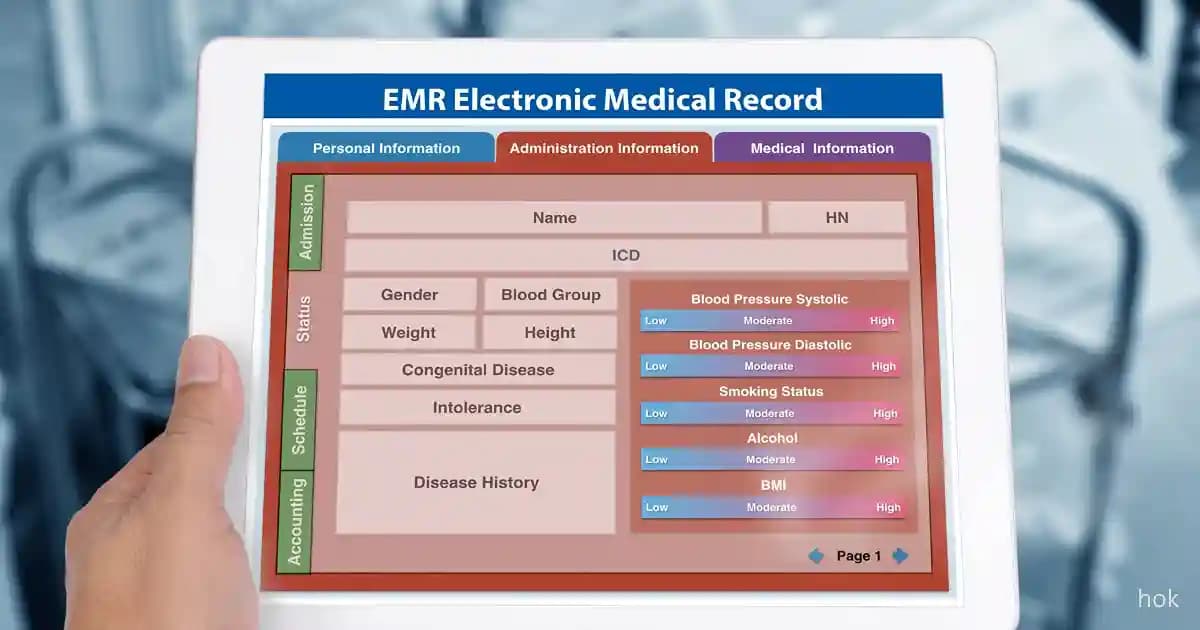
- Identify priority conditions: focus on high-volume or high-risk issues in your specialty — commonly diabetes, hypertension, asthma, hypothyroidism. Use EMR data to analyse diagnosis frequency and refer to ICMR/WHO/NMC guidelines for evidence.
- Standardise protocols: create or adopt evidence-based pathways with clinical flowcharts, integrate them into EMR templates. Review and update every 6-12 months as guidelines evolve.
- Integrate outcome metrics: track KPIs like symptom resolution, patient-reported progress, complication rates, and medication adherence tied to each protocol.
- Train your team: hold short weekly sessions to discuss protocol updates and challenging cases. Include both clinical and support staff so consistency extends across the whole patient interaction.
- Use digital tools for embedding: pre-loaded protocols in the EMR, alerts for out-of-protocol prescribing, and reminder automation embed EBM into daily workflow rather than making it a separate compliance activity.
Conclusion
EBM often gets mistaken for an academic-medicine capability — journal clubs, formal reviews, dedicated research staff. That framing keeps most private clinics out of it. In practice, a small-clinic version of EBM is simpler: adopt existing published pathways for your 2-3 highest-volume conditions, embed them in the EMR, and check monthly whether your outcomes match published expectations. Where they don't, the gap is either your protocol or your case mix — both worth understanding.
About Zocvi
Zocvi connects patients with verified doctors and evidence-based health guidance. Visit zocvi.com or reach us on WhatsApp at +91-92724-57637.










Comments (0)