Widal Test Positive Means: Interpretation and Next Steps

Widal Test Positive Means: Interpretation and Next Steps

Overview

The Widal test is a diagnostic tool used to detect typhoid fever and other enteric fevers caused by Salmonella bacteria.

Introduction

The Widal test is a diagnostic tool used to detect typhoid fever and other enteric fevers caused by Salmonella bacteria. A positive Widal test indicates the presence of specific antibodies against Salmonella antigens in the patient's blood. This article explores the significance of a positive Widal test, how to interpret the results, and the next steps for diagnosis and treatment.

What is the Widal Test?

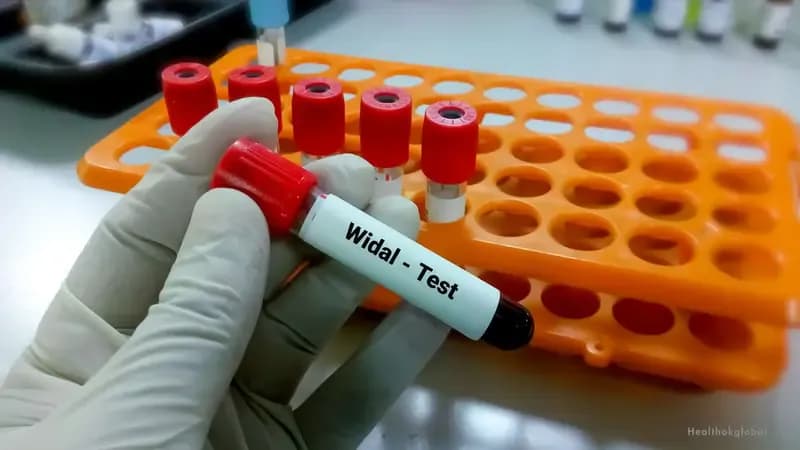
The Widal test is a serological test that measures the presence of antibodies against the O and H antigens of Salmonella typhi and Salmonella paratyphi. It is commonly used in regions where typhoid fever is endemic. The test involves mixing a patient's serum with antigens from the Salmonella bacteria and observing agglutination (clumping). A positive result indicates the presence of antibodies, suggesting an infection with Salmonella.

Interpreting a Positive Widal Test

Interpreting the results of a Widal test requires understanding the antibody titers and their significance:
The Widal test measures two types of antibodies: O (somatic) and H (flagellar). The results are reported as titers, which indicate the concentration of antibodies in the blood. A significant rise in titers over a few days can confirm a recent infection.

Antibody Titers

Antibodies against the O antigen typically appear early in the infection and are associated with the acute phase of the disease. High titers of O antibodies suggest a current or recent infection.

O Antigen

Antibodies against the H antigen appear later and persist longer than O antibodies. High titers of H antibodies may indicate a past infection or vaccination against typhoid.

H Antigen

It is important to consider the baseline titers in the local population, as people in endemic areas may have higher baseline titers due to previous exposure or vaccination.

Baseline Titers

Limitations of the Widal Test

While the Widal test is useful, it has several limitations that can affect its accuracy:
The Widal test can produce false-positive results due to cross-reactivity with antibodies from other infections, such as malaria or dengue fever.

Cross-Reactivity

Individuals who have been vaccinated against typhoid may have elevated antibody titers, leading to false-positive results.

Previous Vaccination

Chronic carriers of Salmonella can have persistently high antibody titers, making it difficult to distinguish between active and past infections.

Chronic Carriers

Next Steps After a Positive Widal Test

A positive Widal test result should be followed by additional diagnostic steps to confirm the diagnosis and guide treatment:
A thorough clinical evaluation, including a detailed medical history and physical examination, is essential to assess the patient's symptoms and confirm the diagnosis.

Clinical Evaluation

Blood cultures are considered the gold standard for diagnosing typhoid fever. They can identify the presence of Salmonella bacteria in the blood and provide information on antibiotic susceptibility.

Blood Cultures

Stool and urine cultures can also be used to detect Salmonella, especially in chronic carriers or during the later stages of the disease.

Stool and Urine Cultures

Additional serological tests, such as the Typhidot test, can help confirm the diagnosis by detecting specific IgM and IgG antibodies against Salmonella.

Additional Serological Tests

Treatment of Typhoid Fever

Treatment of typhoid fever involves the use of antibiotics to eliminate the Salmonella bacteria. Commonly prescribed antibiotics include ciprofloxacin, azithromycin, and ceftriaxone. The choice of antibiotic depends on the patient's clinical condition, local antibiotic resistance patterns, and any allergies or contraindications. In severe cases, hospitalization may be required for intravenous antibiotic therapy and supportive care.

Prevention of Typhoid Fever

Preventing typhoid fever involves a combination of vaccination, improved sanitation, and safe food and water practices:
Typhoid vaccines are available and recommended for individuals traveling to or living in areas with high rates of typhoid fever. There are two types of vaccines: inactivated (injectable) and live attenuated (oral).

Vaccination

Improving sanitation and hygiene practices, such as proper handwashing, can help reduce the spread of Salmonella bacteria.

Sanitation

Avoiding contaminated food and water is crucial in preventing typhoid fever. Drink only bottled or boiled water, eat well-cooked food, and avoid raw fruits and vegetables unless they can be peeled.

Safe Food and Water

Conclusion

A positive Widal test indicates the presence of antibodies against Salmonella bacteria, suggesting an infection with typhoid or paratyphoid fever. However, due to its limitations, the Widal test should be interpreted alongside clinical evaluation and additional diagnostic tests. Timely diagnosis and appropriate treatment are essential for managing typhoid fever and preventing complications. Vaccination, improved sanitation, and safe food and water practices are key strategies in preventing the spread of typhoid fever.


Frequently Asked Questions

My Widal test came back positive — does that mean I definitely have typhoid?

Not necessarily — a positive Widal test means antibodies against Salmonella were found in your blood, but this does not always mean active typhoid infection. The Widal test has a significant false-positive problem, particularly in India and other endemic regions, for three reasons: (1) Previous typhoid infection or vaccination — H antibodies (flagellar) persist for years after a past infection or a typhoid vaccine, so someone with old immunity will test positive even without a current infection; (2) Cross-reactivity — other infections including malaria, dengue, liver disease, rheumatoid arthritis, and some viral fevers can trigger antibodies that react with Salmonella antigens in the Widal test; (3) Endemic area effect — people living in typhoid-endemic areas like urban India have baseline antibody titres from repeated low-level exposure, meaning even a titre of 1:80 or 1:160 may be normal for that population. What matters is the pattern: O antibodies (somatic) rising in the first week of illness suggest active infection more strongly than H antibodies alone. A single positive titre is not sufficient for diagnosis — a fourfold rise in titre between two samples taken 5–7 days apart is the most reliable Widal-based evidence of active disease. Always confirm with blood culture before starting antibiotics if the clinical picture is unclear.

What do the O and H titres in a Widal result mean?

The Widal report shows two sets of antibody titres: O (somatic antigen) and H (flagellar antigen), each reported as a ratio such as 1:80, 1:160, 1:320. Understanding which is elevated helps interpret the result. O antibodies appear in the first week of active typhoid infection and fall back to baseline within a few weeks of recovery — a high O titre (typically 1:160 or above in a non-endemic area, or a fourfold rise from a previous sample) suggests current or very recent infection. H antibodies appear later and persist much longer — months to years — after infection or vaccination. A high H titre with low or normal O titre usually means past exposure or vaccination rather than active disease. In practice, Indian labs often report a combined titre; the clinically significant finding is elevated O titre with symptoms consistent with typhoid (prolonged fever for 5+ days, relative bradycardia, abdominal discomfort, rose spots). A positive H titre alone, especially in someone previously vaccinated or from an endemic area, is often clinically irrelevant. Report your vaccination history and any prior typhoid episodes to your doctor when sharing the Widal result.

What tests should be done after a positive Widal result?

A positive Widal should trigger blood culture as the next step — this is the gold standard for typhoid diagnosis. A small sample of blood is sent to the lab, incubated for 24–72 hours, and if Salmonella typhi or paratyphi grows, the diagnosis is confirmed with 100% certainty. Blood culture sensitivity is highest in the first week of illness (positive in about 60–80% of cases at that stage) and declines after antibiotics are started, so the sample should be collected before the first antibiotic dose. If blood culture is negative but clinical suspicion is high, stool culture (useful from week 2 onwards) and bone marrow culture (most sensitive at any stage but invasive) can be added. The Typhidot or Typhidot-M rapid test, which detects IgM and IgG antibodies against a specific outer membrane protein of Salmonella, is more specific than Widal and less prone to false positives — many hospitals now use this alongside or instead of Widal. A complete blood count showing leucopaenia (low white cell count), mild anaemia, and thrombocytopaenia in the context of prolonged fever further supports the diagnosis while awaiting culture.

What happens after typhoid is confirmed — what does treatment involve?

Once typhoid is confirmed (by culture or strong clinical + serological evidence), antibiotic treatment starts immediately — typhoid does not resolve on its own and complications including intestinal perforation and septicaemia are life-threatening if untreated. First-line antibiotics in India are azithromycin (for uncomplicated typhoid, oral, 7–10 days) or ceftriaxone (IV, for severe typhoid or when oral treatment is not tolerated). Ciprofloxacin, once the standard, is now less reliable due to widespread fluoroquinolone resistance in Salmonella typhi in South Asia — a culture sensitivity report will confirm which antibiotic the specific strain responds to. Alongside antibiotics: paracetamol for fever (not aspirin or ibuprofen — these increase intestinal bleeding risk), oral rehydration and adequate fluid intake, a soft easily digestible diet (khichdi, rice, dal, banana — avoid high-fibre or spicy foods that stress the intestinal wall), and strict bed rest. Fever typically settles within 3–5 days of starting the right antibiotic, but the full course must be completed to prevent relapse. Relapse occurs in 5–10% of cases and presents 2–3 weeks after apparent recovery — if fever returns after treatment is complete, repeat blood culture immediately. Household contacts should practice strict hand hygiene, and water and food safety measures should be reviewed to find the source of infection.

Questions About This Article

Have a question? Ask the author directly.

Have a question about this article?

Ask Zocvi Editorial directly. Your question may help others with similar concerns.

Q:1 answer
Q:1 answer
Q:1 answer
Q:1 answer

Comments (0)

Found this helpful? Share it!

LinkedInWhatsApp

More from Zocvi Editorial

Other Articles You May Like

Dr. Prashant Jain

Ayurvedic Doctor • 12 yrs • Delhi

53 views

6 Ways to Prevent Hypertension

Nirmal Ayurved

6 effective methods for preventing hypertension: control your stress, maintain a healthy weight, consume a well-balanced diet, reduce salt intake, engage in regular exercise, and keep track of your blood pressure. By incorporating these habits into your daily routine, you can significantly lower your risk of hypertension and promote overall well-being.#hypertension #diabetes #health #healthylifestyle #bloodpressure #highbloodpressure

Dr. Saloni Kabra

Homoeopath • 7 yrs • Indore

296 views

When Sugar Turns Silent: The Hidden Side of Diabetes

When Sugar Turns Silent: The Hidden Side of Diabetes

There’s a reason diabetes is called a silent disease. Most people don’t even realise something’s wrong until years later — when the damage is already done. It doesn’t always start with the “classic” symptoms you hear about, like excessive thirst or frequent urination. Sometimes it’s just small things you barely notice: feeling unusually tired, a cut that takes longer to heal, or waking up with a dry mouth. Easy to ignore, right? That’s how it sneaks in quietly. What’s scarier is that it’s not just an “older person’s problem” anymore. These days, more and more young adults — even teenagers — are being diagnosed. Long hours at desks, ready-to-eat meals, stress, and late-night screen time are all quietly adding fuel to the fire. Here’s the thing: you don’t need to wait for symptoms. A simple blood sugar check once or twice a year can catch issues early. If diabetes runs in your family, it’s even more important. And no, you don’t need to turn your life upside down — small changes like swapping a fizzy drink for water, adding a 20-minute walk to your day, or getting decent sleep can go a long way. Diabetes doesn’t announce its arrival. But you can stay a step ahead — by listening to your body and taking action before it’s too late.

Find a Doctor for Asthma Management

Verified specialists across India

Dr. Gyaneshwar

General Physician

Dehradun

Family Clinic, Rajhans Plaza
Kulhan, Dehradun, Uttarakhand, 248013
Fee on request

Dr. Sonal Jain

General Physician

16 yrs

Hyderabad

Dr. Sonal's Health Care Centre
Devi Laxmi Bagh, Hyderabad, Telangana, 500029
₹600 consultation

Dr. Arvind Agarwal

General Physician

41 yrs

Bareilly

Tiwari Market, Opposite Ram Janki Mandir, Janakpuri
Janakpuri, Bareilly, Uttar Pradesh, 243122
₹600 consultation

Dr. Kapil Bhola

General Physician

25 yrs

Kota

S N Pareek Memo. Hospital
Talwandi, Kota, Rajasthan, 324005
₹300 consultation