
ब्रेन स्ट्रोक में नजर आते हैं ये लक्षण
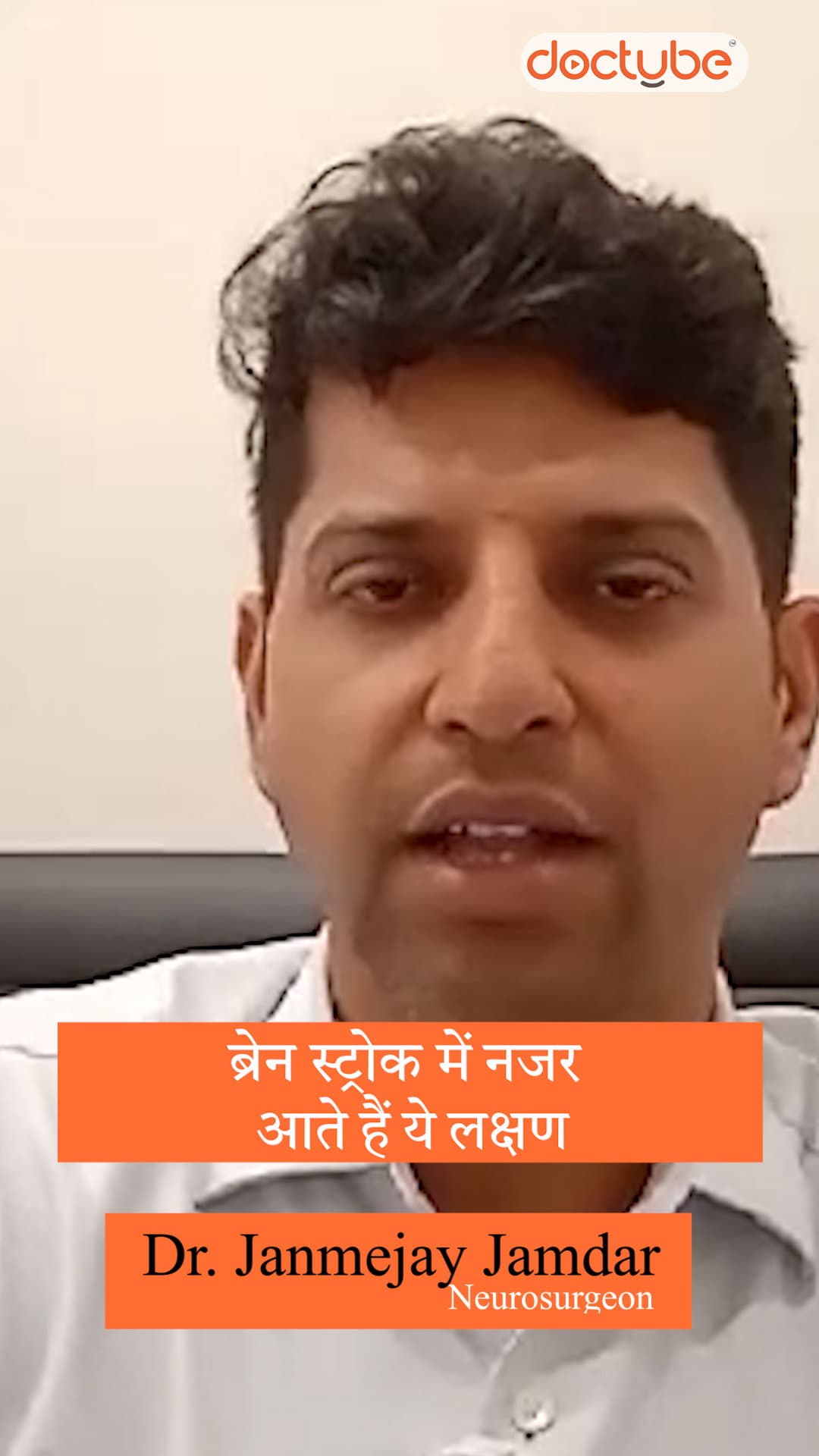
डॉ. जन्मेजय जामदार, न्यूरोसर्जन, ब्रेन स्ट्रोक के लक्षणों के बारे में जानकारी देते हुए।

Dementia is not a single disease but a group of conditions causing progressive decline in memory, thinking, and daily function. Alzheimer's disease accounts for 60-70% of cases; vascular dementia (caused by strokes or small vessel disease) accounts for most of the rest. India is estimated to have over 8 million people living with dementia — a number expected to triple by 2050 as the population ages. Families carry most of the caregiving burden, often without diagnosis or support. While there is no cure yet, early diagnosis matters: it allows planning, access to symptom-management treatments, safety measures, and increasingly — in early-stage Alzheimer's — new disease-modifying drugs that slow progression. Recognising dementia early rather than dismissing it as 'normal ageing' is the first step.
Last reviewed: 11 August 2026
डॉ. जन्मेजय जामदार, न्यूरोसर्जन, ब्रेन स्ट्रोक के लक्षणों के बारे में जानकारी देते हुए।
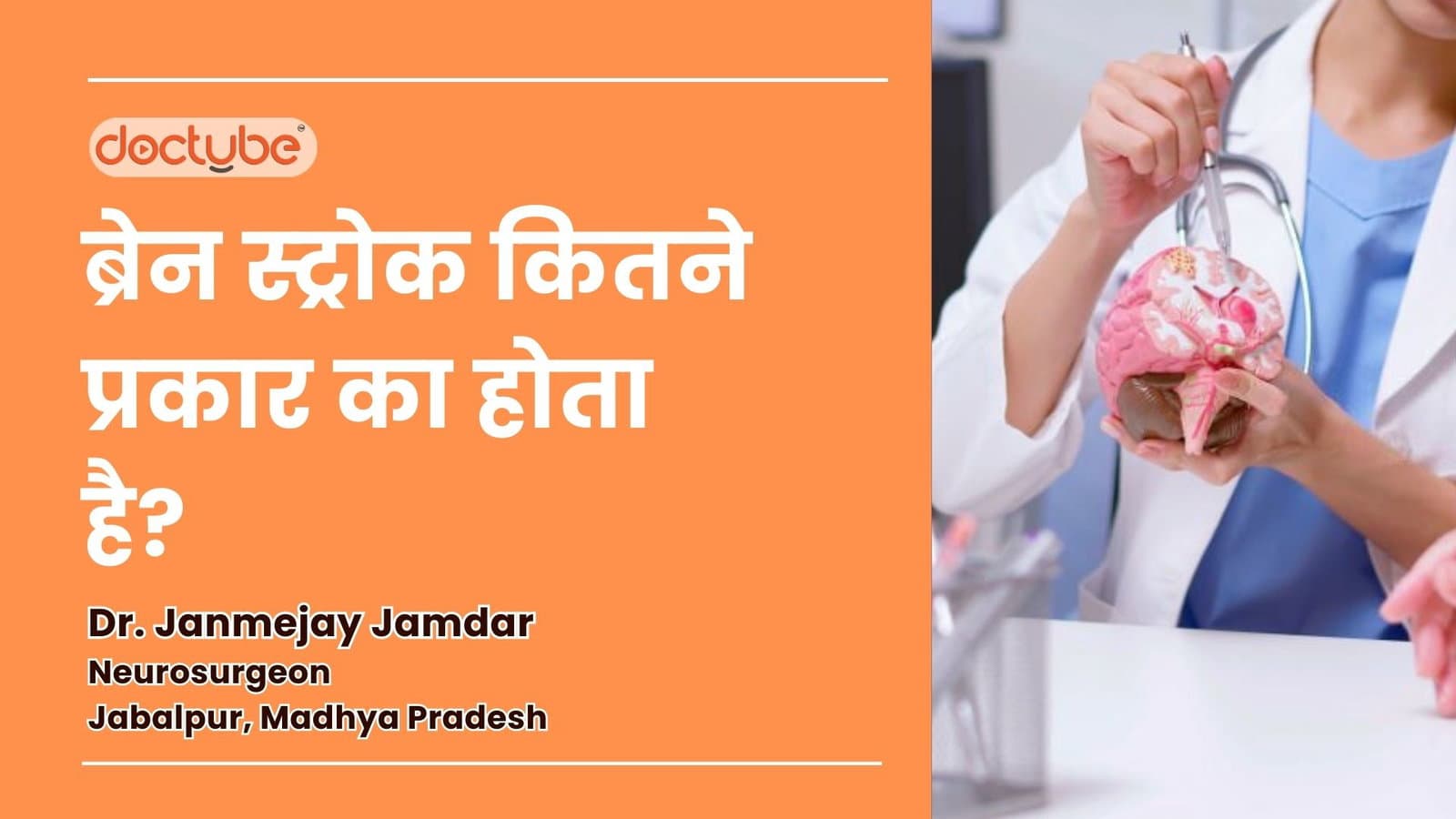
ब्रेन स्ट्रोक 2 प्रकार का होता है। अगर मस्तिष्क के किसी हिस्से में खून की कमी हो जाती है, तो वो हिस्सा डैमेज हो जाता है। ऐसे में व्यक्ति को ब्रेन स्ट्रोक होने की आशंका बनी रहती है। वहीं कई बार खून की धमनी फट जाने से भी खून का रिसाव शुरू हो जाता है और उसके आसपास का हिस्सा डैमेज हो जाता है। इससे भी व्यक्ति को ब्रेन स्ट्रोक हो सकता है। इस तरह ब्रेन स्ट्रोक के 2 प्रकार होते हैं और इसी के आधार पर मरीजों में लक्षण नजर आते हैं। डॉ. जन्मेजय जामदार, न्यूरोसर्जन, ब्रेन स्ट्रोक के प्रकार के बारे में बताते हुए।
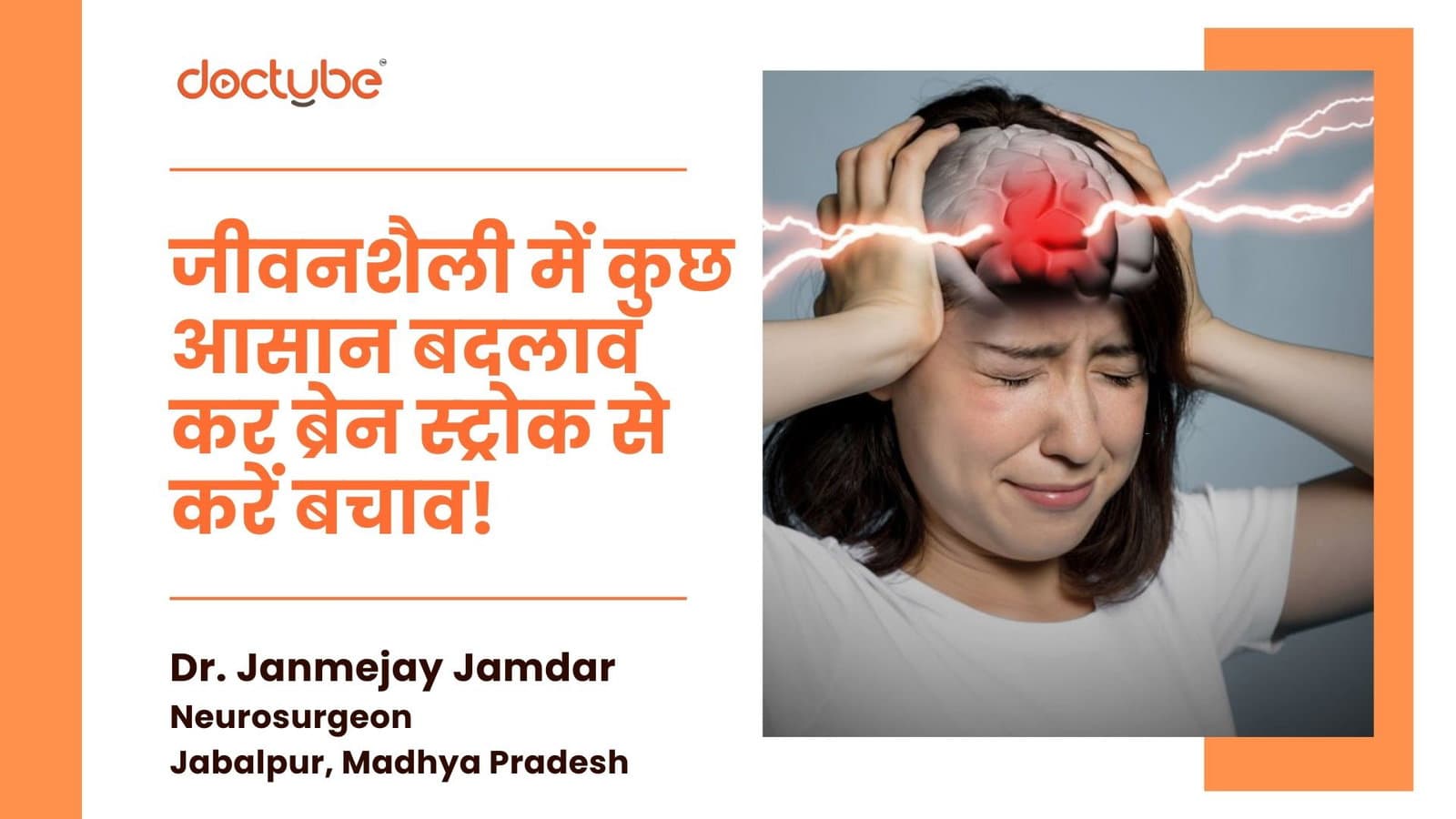
ब्रेन स्ट्रोक से बचाव के लिए हेल्दी लाइफस्टाइल अपनाएं। अगर किसी को शुगर, बीपी या थाइरॉइड की शिकायत है तो उसे कंट्रोल करें। इससे ब्रेन स्ट्रोक की संभावना काफी हद तक कम हो जाती है। हर रोज ब्रिस्क वॉक करें और पोषण युक्त खाने का सेवन करें। आजकल लोग बाहर का खाना ज्यादा पसंद करते हैं। इस खाने में चर्बी, शुगर व हानिकारक तत्व मौजूद होते हैं जो व्यक्ति को नुकसान पहुँचा सकते हैं। इसीलिए बाहर के खाने से परहेज करें। इसके साथ ही धूम्रपान और शराब का सेवन भी ना करें। डॉ. जन्मेजय जामदार, न्यूरोसर्जन, ब्रेन स्ट्रोक से बचाव के लिए जीवनशैली में कुछ आवश्यक बदलाव करने की सलाह देते हुए।
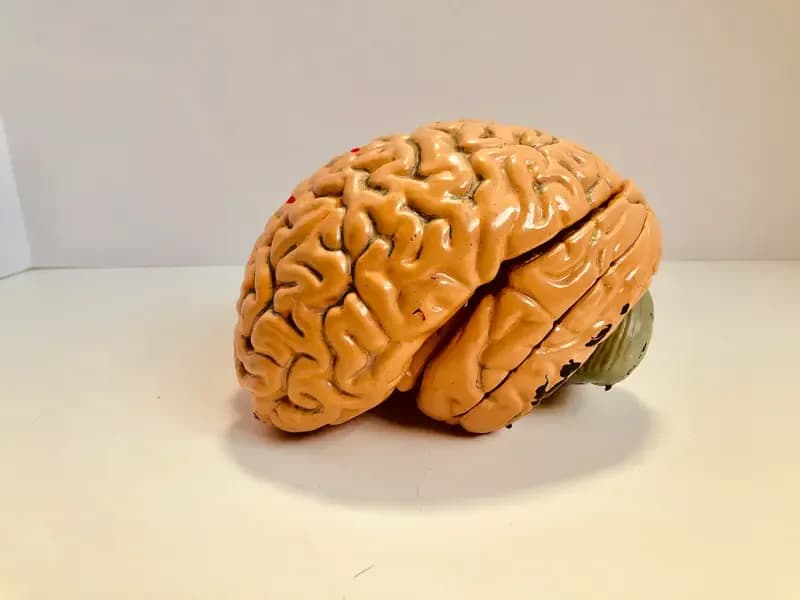
A blood clot in the brain, also known as cerebral thrombosis or intracranial blood clot, can have severe consequences if not promptly addressed.
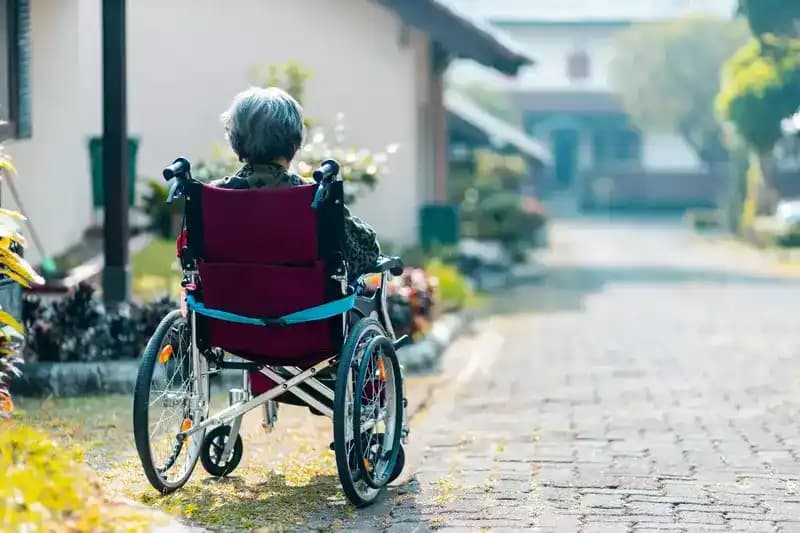
Dementia is a progressive condition that affects cognitive abilities, memory, and behavior.

Video gaming for seniors offers numerous benefits, including cognitive skill enhancement and opportunities for social connection.
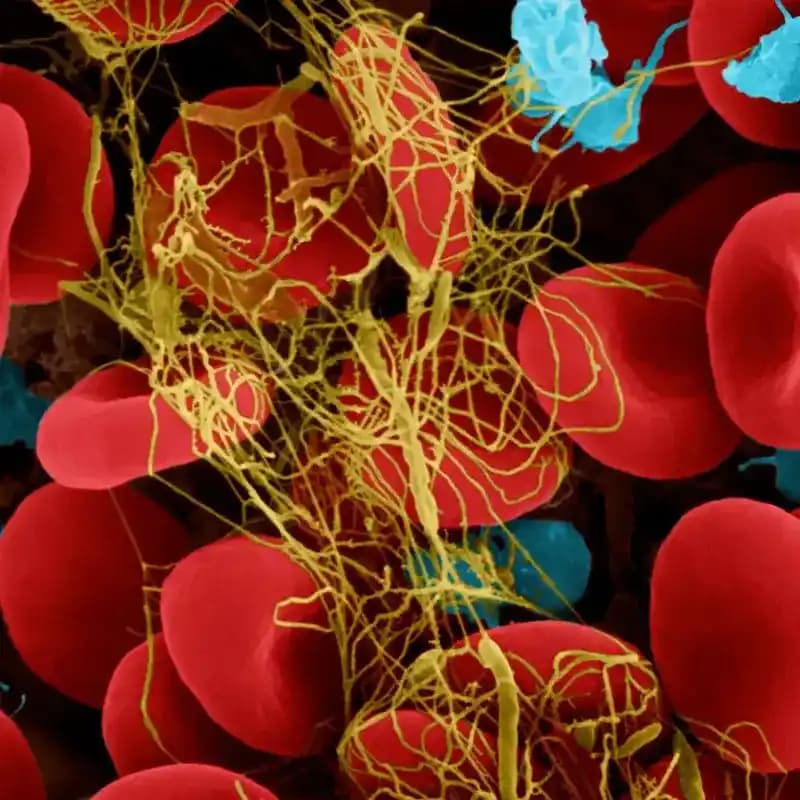
Brain clots are life-threatening conditions requiring immediate attention. Learn to recognize symptoms, understand causes, and explore treatments like clot-busting therapies and advanced rehabilitation techniques.
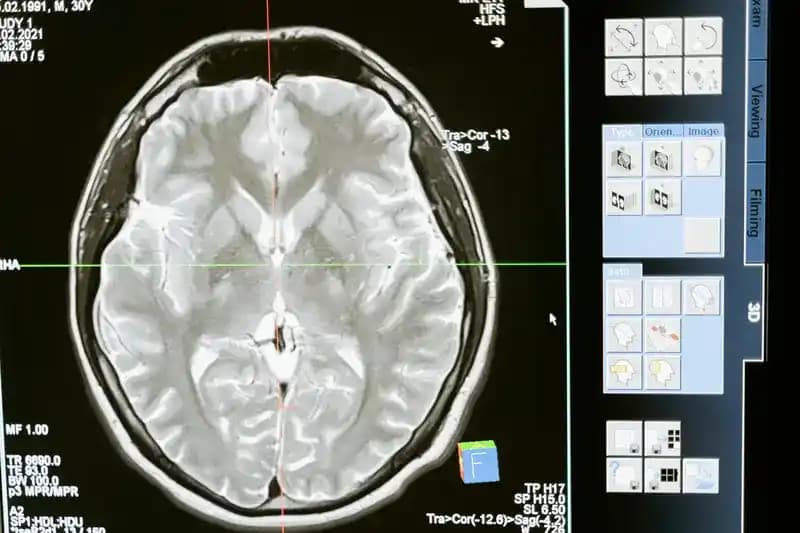
Explore the complexities of neurological disorders in elders, from symptoms to treatments. Learn how to enhance their quality of life with evidence-based strategies and supportive care.

Delirium and dementia are two distinct conditions affecting cognitive function, yet they often overlap in their symptoms. Understanding their key differences is vital for accurate diagnosis and effective management.
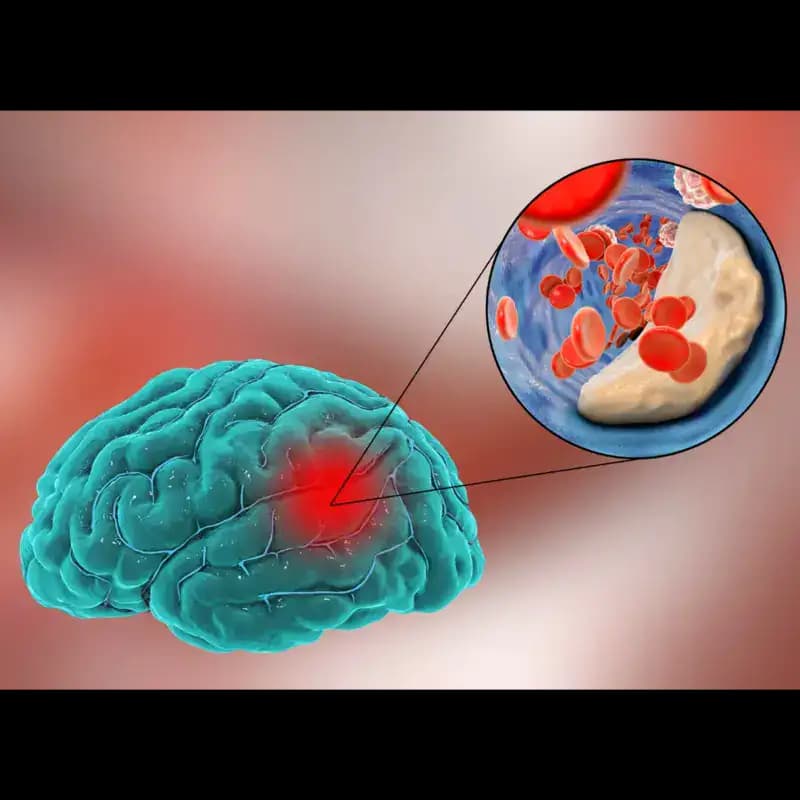
Explore proven brain clot treatments with real case studies and recovery strategies. Learn how effective therapies and lifestyle changes can promote optimal recovery.

Senior abuse is a silent epidemic that affects countless elderly individuals globally. Learn to recognize the signs and take action to protect our elders.

Neuro physiotherapy uses targeted techniques. CIMT and task-specific training for stroke, spasticity management for MS, gait retraining for Parkinson's, to rebuild movement after neurological injury. Here is what a course of treatment looks like in India.
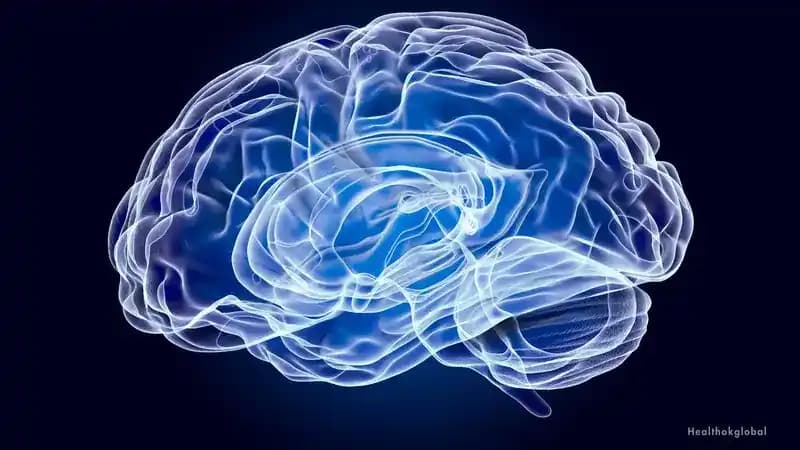
Neuro physiotherapy, also known as neurological physiotherapy, is a specialized field of physical therapy focused on the treatment and rehabilitation of individuals with neurological conditions.

The homocysteine test measures the level of homocysteine in the blood, which can indicate various health conditions.

A paralysis attack can have a profound impact on an individual's mobility and quality of life, necessitating a comprehensive nursing care plan.

As populations age worldwide, the incidence of chronic illnesses among seniors is becoming increasingly common.

Childhood dementia, also known as pediatric neurodegenerative disorder, is a rare condition characterized by progressive cognitive decline in children.
Dementia is a complex and multifaceted condition that affects millions of individuals and their families worldwide.
Dementia, a debilitating condition affecting cognitive functions, sparks concern about its hereditary nature.
Maintaining balance is a complex interplay between various sensory systems and motor functions within the body.
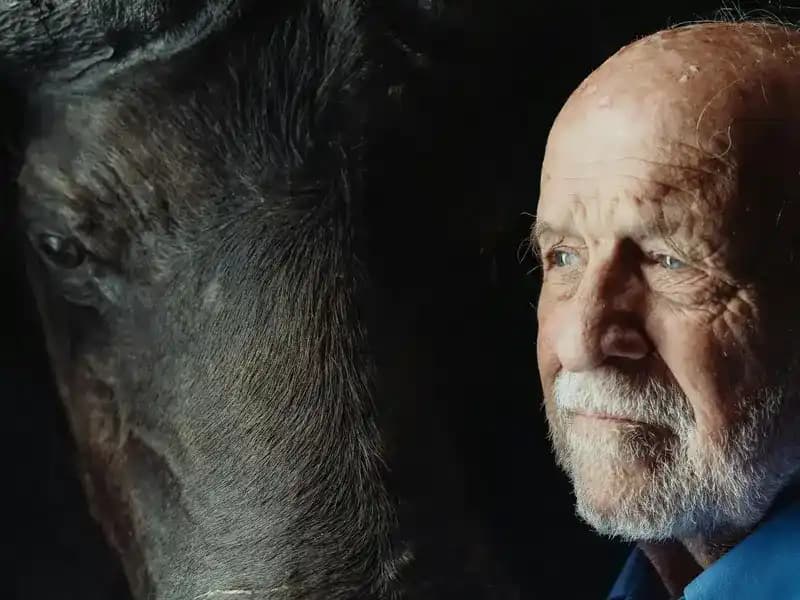
Dementia is a collective term for conditions affecting cognitive functions such as memory, thinking, and reasoning to a degree that interferes with daily life.

As we age, keeping our minds sharp and agile becomes increasingly important.
Neurological disorders encompass a wide range of conditions that affect the brain, spinal cord, and nerves throughout the body.
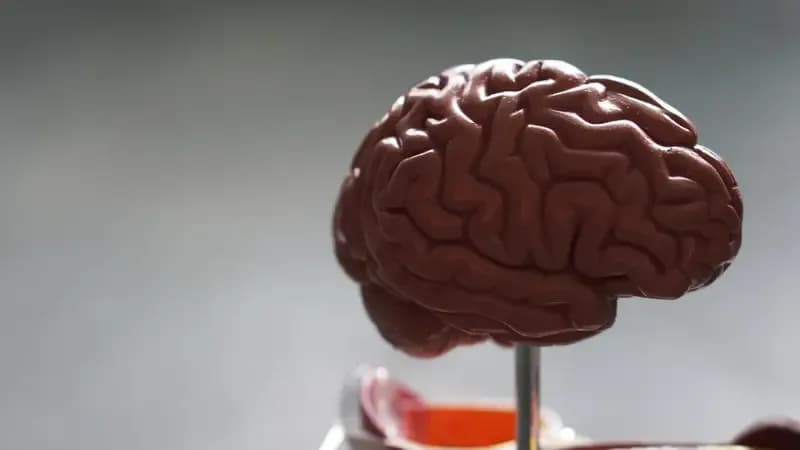
Amnesia and dementia are both related to cognitive health but differ significantly. Amnesia primarily affects the memory, characterized by difficulty in recalling past events or forming new memories.
Verified specialists across India
Normal ageing causes slower recall — you might take longer to remember a name but it comes back. Dementia is different in kind, not degree: forgetting recently learned information and not recovering it later, asking the same question repeatedly within minutes, getting lost on familiar routes, difficulty completing familiar tasks (cooking a known recipe, managing finances), confusion about dates and time, poor judgement (being deceived by scammers, making unsafe decisions), withdrawal from social activities, and significant personality or mood changes. The key distinction: normal ageing causes occasional lapses that don't disrupt daily life. Dementia causes progressive, cumulative decline that increasingly interferes with independence. If you are noticing these changes in a family member, a memory assessment is warranted.
Alzheimer's disease is a specific cause of dementia — the most common one, accounting for 60-70% of cases. Dementia is the broader syndrome (symptoms of cognitive decline). Other causes include vascular dementia (from strokes or blood vessel disease), Lewy body dementia (with hallucinations and Parkinson-like movement symptoms), frontotemporal dementia (prominent personality and language changes, often younger onset), and mixed dementia (Alzheimer's plus vascular). The distinction matters because the progression pattern, associated symptoms, and some treatment considerations differ. In practice, many older adults have mixed pathology. A geriatrician or neurologist uses clinical examination, neuropsychological testing, brain imaging, and blood tests to determine the most likely cause.
Until recently, available medications only managed symptoms without slowing the disease. Two new anti-amyloid antibodies — lecanemab and donanemab — have shown modest but statistically significant slowing of decline in early-stage Alzheimer's in clinical trials. They are approved in the US (2023-24) and under regulatory review elsewhere. They carry risks (brain swelling and microbleeds requiring MRI monitoring) and are suitable only for early-stage disease. Older symptomatic medications (donepezil, rivastigmine, memantine) improve day-to-day memory and behaviour for some patients without altering the underlying disease. Non-pharmacological measures — cognitive stimulation, physical activity, social engagement, good sleep, cardiovascular risk control — have the strongest evidence for both prevention and slowing progression.
Most dementia care in India happens at home, provided by family — usually daughters or daughters-in-law — without formal training or respite. Key practical steps: establish daily routines (dementia patients function better with predictability), simplify the home environment (remove trip hazards, label rooms and drawers), ensure identification on the person at all times (ID bracelet or card — wandering is a significant risk), manage medications with a pill organiser and supervision, address sleep disturbance early (sleep disruption is a major caregiver stress point), and plan for financial and legal matters (power of attorney) while the person can still participate. The Alzheimer's and Related Disorders Society of India (ARDSI) provides caregiver training, support groups, and a helpline — a valuable resource for Indian families.
There is no guaranteed prevention but strong evidence supports reducing modifiable risk factors. The Lancet Commission identifies 12 risk factors responsible for up to 40% of dementia cases: low education (early life), hearing loss, hypertension, obesity, smoking, depression, physical inactivity, diabetes, excessive alcohol, traumatic brain injury, air pollution, and social isolation. Controlling blood pressure from midlife is the single most impactful modifiable factor. Regular physical exercise (150 minutes per week) has the strongest evidence across all risk factors. Good quality sleep, a Mediterranean-style diet, staying socially and cognitively active, and treating depression all contribute. Controlling cardiovascular risk factors doesn't just prevent heart disease — it is one of the most evidence-backed dementia prevention strategies available.
Ask our medical community. Your question may help others with similar concerns.
No questions yet. Be the first to ask!