Generic Medicine: Everything You Need to Know

Learn how generic medicines are transforming healthcare by offering cost-effective, reliable alternatives to branded drugs.

Medication Management covers polypharmacy, drug interactions, side effects in older adults, and adherence challenges common when patients juggle multiple chronic prescriptions. Our doctors and editorial team explain how to organize medications safely, what to discuss with the prescriber, and when a medication review can simplify a regimen without compromising care.
Last reviewed: 11 August 2026
Learn how generic medicines are transforming healthcare by offering cost-effective, reliable alternatives to branded drugs.
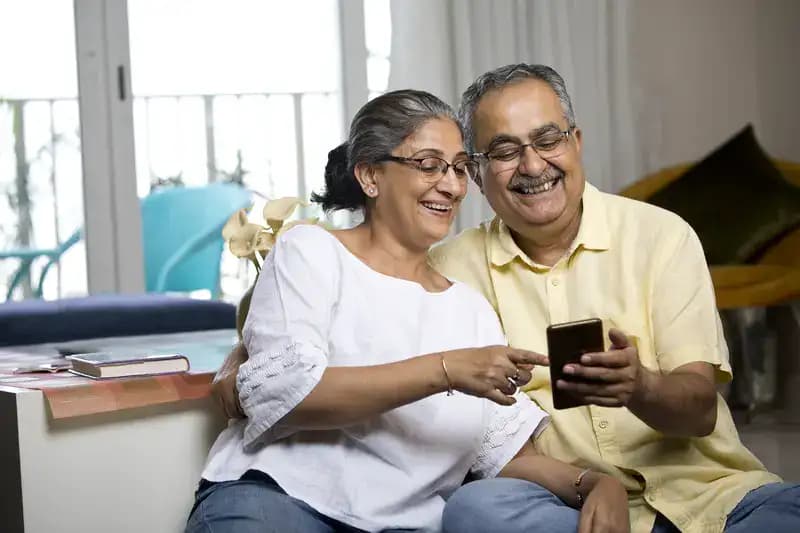
In India, senior citizens are a valued segment of the population, and the government provides various benefits and privileges to support their well-being.
As our loved ones age, their comfort, health, and dignity become vital priorities. In-home elderly care offers compassionate, personalized solutions.
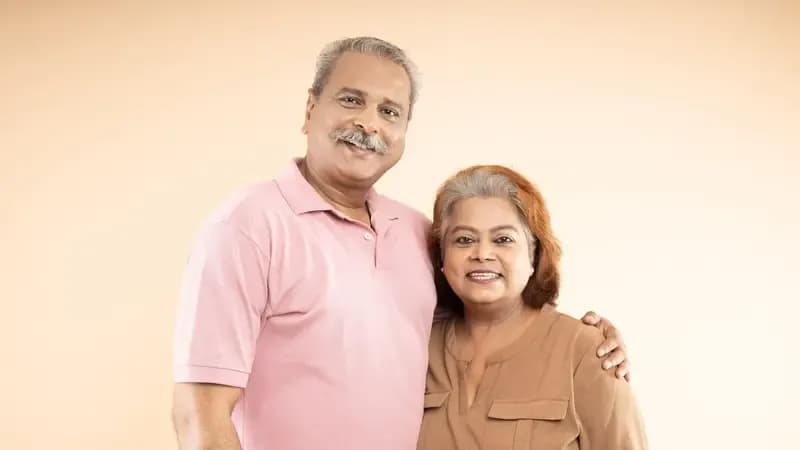
Eldercare in India has become a pressing issue as the population ages.
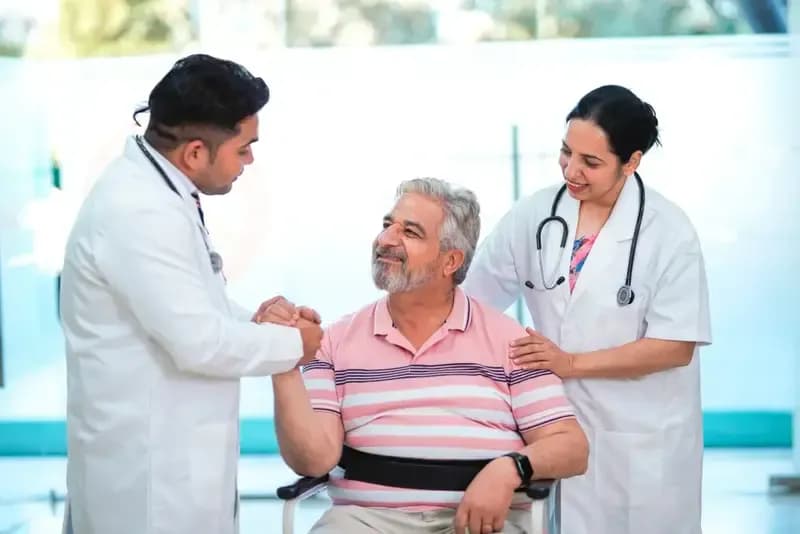
Providing care for elderly in home has become a cornerstone of ensuring that our aging loved ones maintain their dignity, comfort, and quality of life.
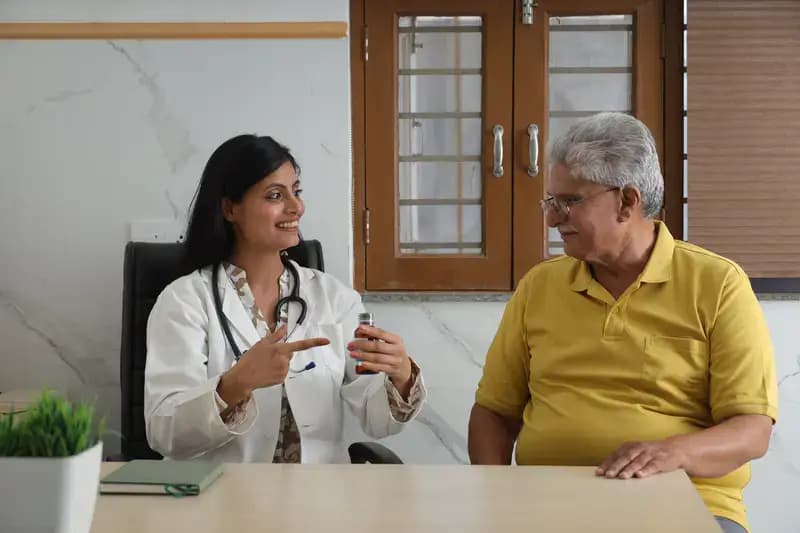
Geriatric care represents a comprehensive approach to ensure the health and well-being of the elderly, addressing their unique medical, social, and psychological needs.
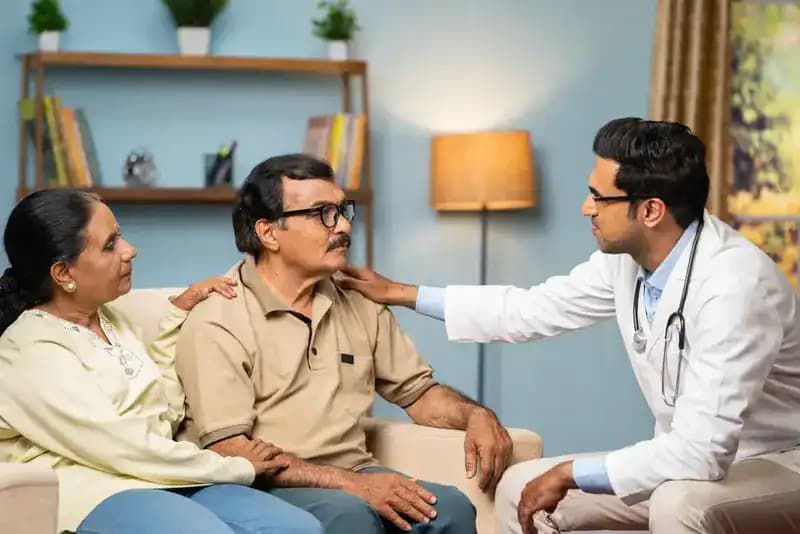
The concept of home doctor visits is witnessing a remarkable resurgence, providing elderly patients with the convenience and comfort of receiving medical care in their own homes.
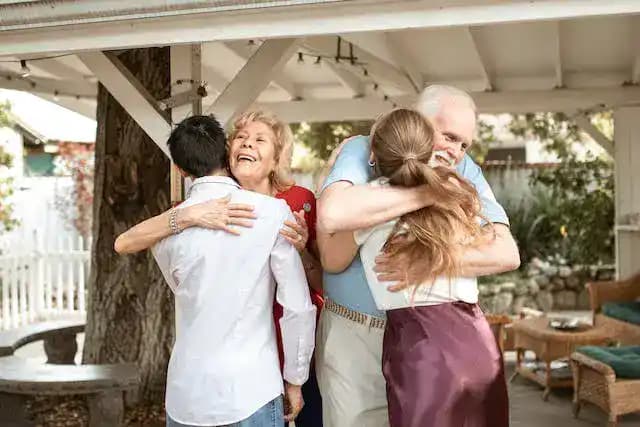
Taking care of elderly parents is a noble and challenging responsibility. As our loved one's age, it becomes crucial to ensure their well-being
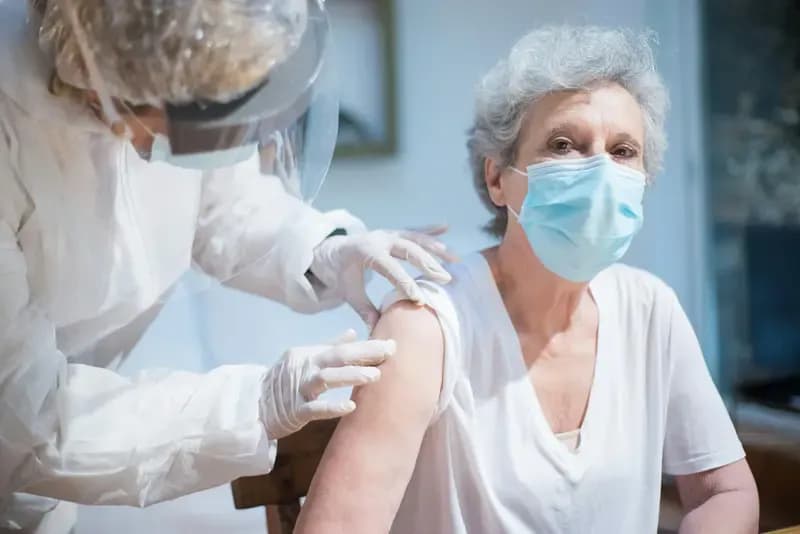
Home visit doctors provide a crucial service by bringing medical care directly to patients' homes.
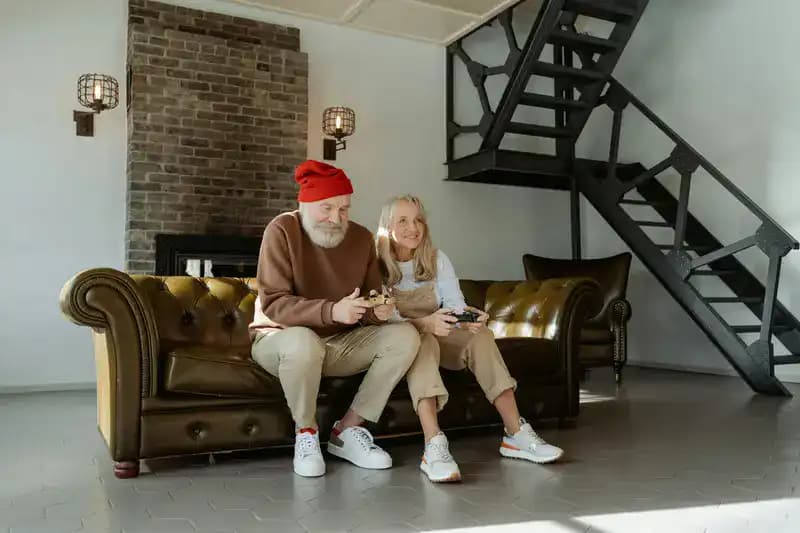
A home safety evaluation for elderly parents identifies fall hazards, mobility barriers, medication risks, and emergency-preparedness gaps room by room. This checklist walks through what to look for and which modifications matter most for Indian homes.

Home nursing services in India range from trained attendants for basic bathing and feeding to qualified nurses managing post-operative care, wound care, IV medications, and complex chronic conditions. Here is how to match the right level of care to your parent's needs.
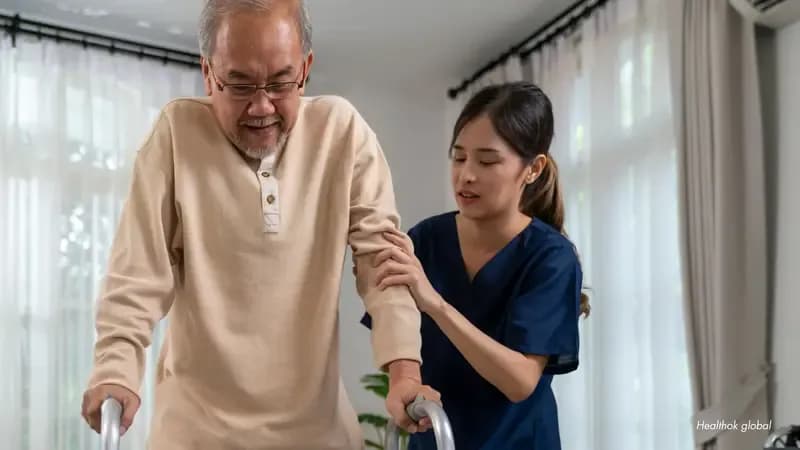
Discover how remote healthcare is transforming the lives of elderly individuals living alone in India. Learn about the benefits, challenges, and solutions it offers to promote independent living.
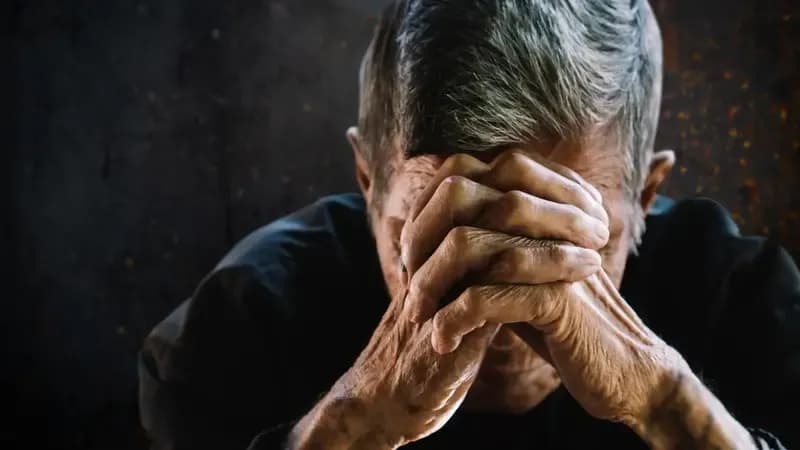
Senior abuse is a silent epidemic that affects countless elderly individuals globally. Learn to recognize the signs and take action to protect our elders.

Four main types of elderly care exist in India, in-home care, assisted living, nursing homes, and hospice/palliative care. Each fits different needs and stages. Here is a practical comparison to help families choose based on the elder's actual medical and functional condition.
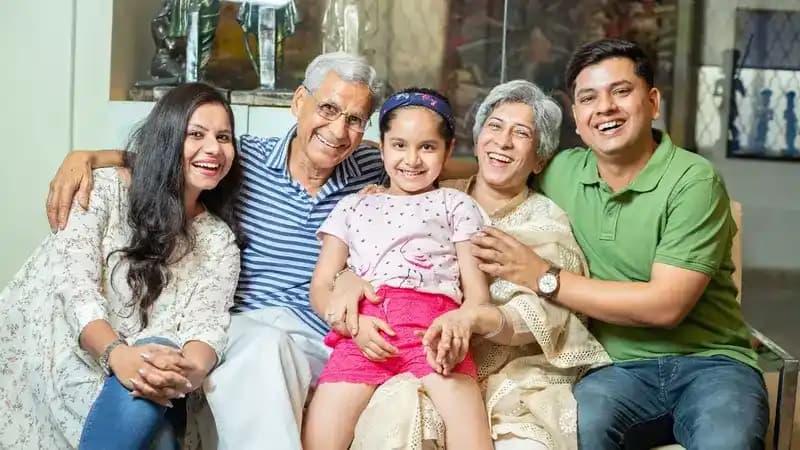
India's elderly population is growing fast, but the healthcare and support infrastructure has not kept pace. Here is what practical senior care looks like, accessible healthcare, home safety, mental wellbeing, technology, and the caregiver network that holds it together.
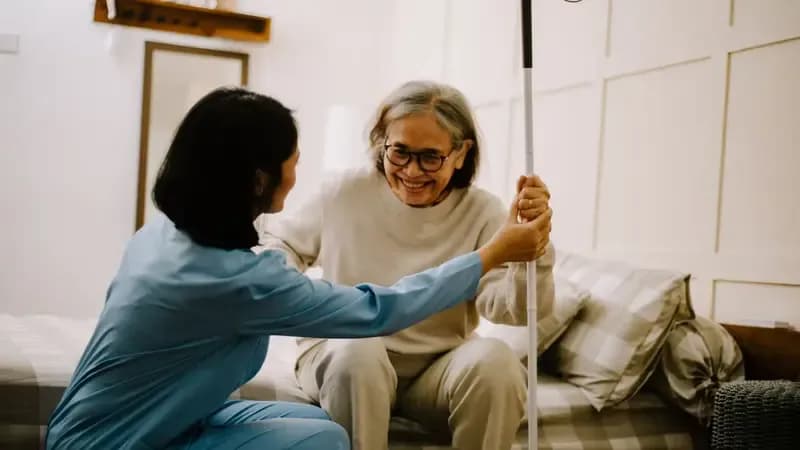
Elderly care spans five domains, physical health, mental wellbeing, safety and mobility, social engagement, and end-of-life care. This guide covers each with practical action for Indian families caring for aging parents.

One of the hardest decisions Indian families face for aging parents is whether to continue in-home care or move to a care facility. This guide covers the six domains of elderly care and provides a practical framework for evaluating the in-home vs facility choice.
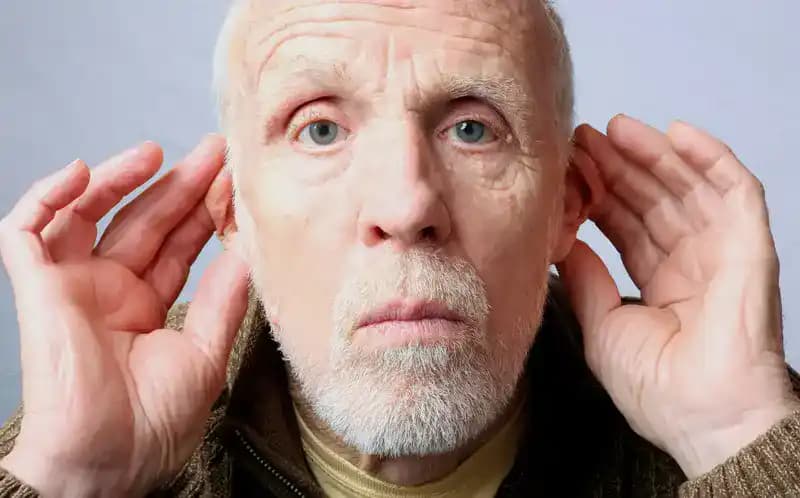
The problems elderly Indians face go beyond medical conditions, social isolation, financial strain, healthcare access barriers in rural areas, and elder abuse are equally important. Here is how families can recognise and address each.

Explore how to care for aging parents when living far away. Learn tips, strategies, and how Zocvi supports remote caregivers with technology, safety, and compassion.
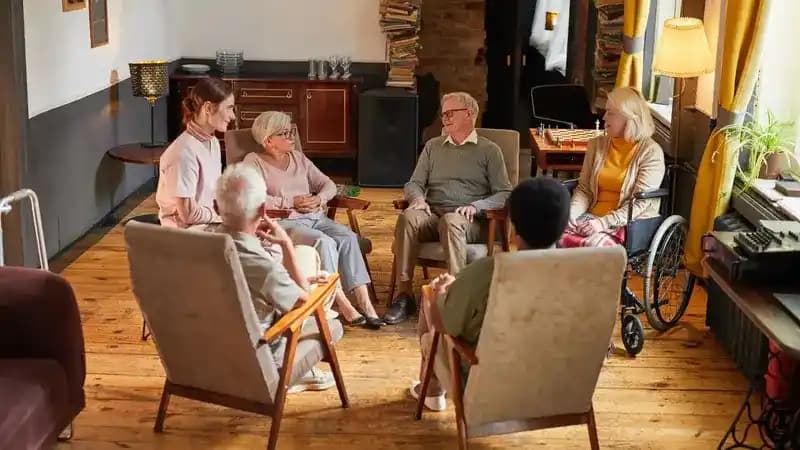
Finding the best nursing home in India is crucial for ensuring that your loved ones receive the care and respect they deserve in their later years.
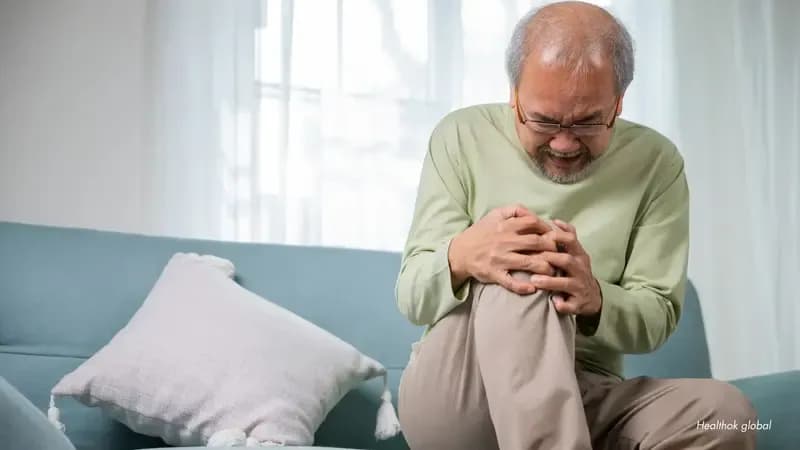
Explore pain management for seniors with effective strategies, including medications, therapies, and specialized care. Learn how to address chronic pain and improve quality of life.
Expert answers from our medical team
A weekly pill organiser sorted by day and time. A written medication list (drug name, dose, purpose, timing) kept updated and shared with all doctors. A designated family member responsible for refills and any changes. Medication reminder apps or alarms. Bring all medications (including OTC and Ayurvedic) to every doctor visit — 'brown bag' review annually catches interactions and duplicates.
Polypharmacy is taking many medications regularly (usually 5+). It's common in elders with multiple chronic conditions but creates risks: drug interactions, side effects mistaken for new symptoms, adherence problems, cost burden, and cumulative effects on kidneys and liver. A periodic 'deprescribing review' with a geriatric physician can safely simplify regimens — often improving how the person feels.
New symptom appearing after starting or changing a medication is the biggest clue. Common under-recognised medication effects in elders: falls (from BP-lowering drugs), confusion (from sleep aids, painkillers, anticholinergics), constipation (from many drugs), depression, appetite loss, dry mouth. Anything new after a medication change deserves review — don't assume it's 'just ageing'.
For most medications, yes — generics contain the same active ingredient, must meet regulatory standards, and typically work equally well. India has a huge generics market — quality varies by manufacturer. Some conditions (thyroid, epilepsy, warfarin, immunosuppressants) are more sensitive to formulation differences — for these, sticking with one specific brand is often advised. Talk to your doctor before switching.
Never stop chronic medications on your own — especially heart, BP, thyroid, diabetes, and mental health medications. Some need careful tapering (beta-blockers, steroids, antidepressants) to avoid dangerous rebound. Discuss with the prescribing doctor. If cost is an issue, ask specifically about generic alternatives — don't just skip doses to stretch supply.
Questions from our community members
Ask our medical community. Your question may help others with similar concerns.
Verified specialists across India