
Introduction
Taking care of elderly parents is a noble and challenging responsibility. As our loved one's age, it becomes crucial to ensure their well-being, both physically and emotionally. In this comprehensive guide, we will explore valuable insights and practical tips to help you provide the best care for your aging parents while enhancing their quality of life.
The Importance of Caring for Aging Parents
Taking care of elderly parents at home can significantly impact their overall happiness and health. Here are some key reasons why it is vital:
- Emotional Well-Being: Maintaining emotional stability and happiness is essential for elderly parents' mental health. Loneliness and depression are common among the elderly, and family support can alleviate these issues.
- Physical Health: Proper care at home can aid in better management of chronic illnesses and promote physical well-being. By ensuring they receive proper nutrition, medication, and exercise, you can help manage health conditions effectively.
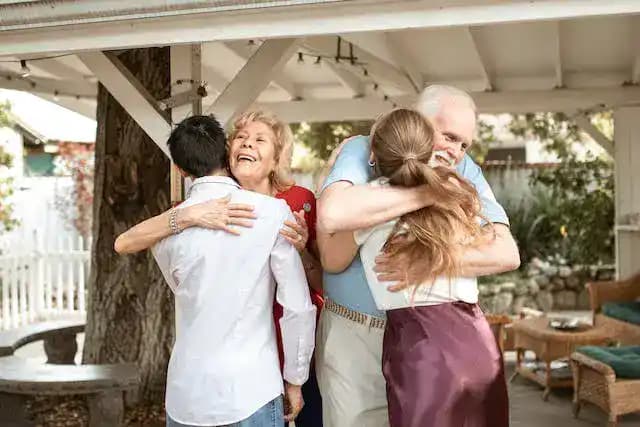
- Family Bond: Caring for aging parents strengthens family bonds and fosters a sense of togetherness. The support and love you provide can create lasting memories and strengthen family relationships.
Key Aspects of Elderly Care
When learning how to take care of elderly parents, it's essential to consider multiple facets of their well-being.
Elderly care encompasses their physical health, including:
- Diet and Nutrition: Provide a balanced diet rich in nutrients to support their energy levels and immune system. Consider consulting a dietitian for tailored meal plans.
- Exercise and Fitness: Encourage regular physical activity suitable for their abilities to maintain strength and mobility. Gentle exercises like walking or chair yoga can be beneficial.
- Regular Check-Ups: Schedule regular check-ups with healthcare professionals to monitor their health and address any medical concerns promptly.
Physical Well-Being
Caring for aging parents involves addressing their emotional needs:
- Communication: Foster open and empathetic communication to understand their feelings and concerns. Spend quality time talking and listening to them.
- Companionship: Ensure they have opportunities for social interaction to combat loneliness. Arrange visits with friends or participation in senior community activities.
Emotional Well-Being
Create a safe living space by:
- Home Modifications: Make necessary adjustments to the home to prevent accidents. Install grab bars, non-slip flooring, and adequate lighting.
- Medication Management: Keep track of their medications and ensure they take them as prescribed. Consider pill organizers to simplify the process.
Safety and Home Environment
Tricks and Tips for Effective Elderly Care
Here are some practical tips to make taking care of your parents when they are old more manageable:
- Daily Schedule: Set a consistent daily routine to provide structure and comfort. This can include mealtimes, exercise, and leisure activities.
Establish a Routine
- Medical Support: Regular check-ups and consultations with healthcare professionals are essential. Discuss any health concerns and follow their recommendations.
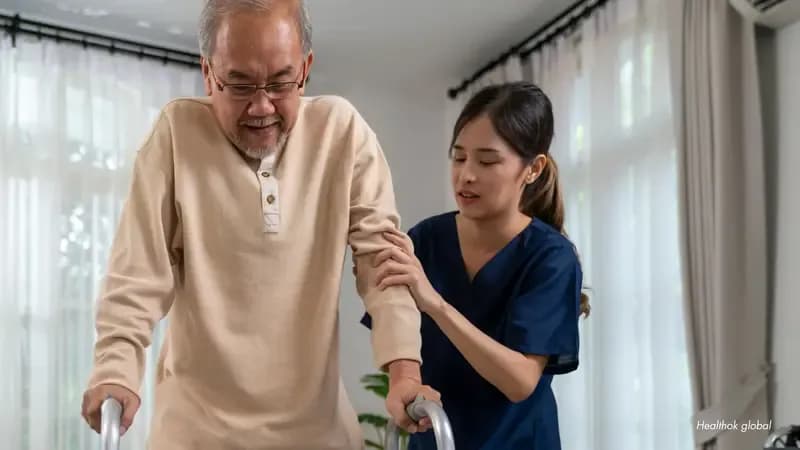
- Home Care Services: Consider hiring caregivers or home health aides when needed. They can help with daily activities and ensure your loved ones receive proper care when you're not available.
Seek Professional Help
- Listen Actively: Pay attention to their emotional needs and provide a compassionate ear. Share stories, memories, and feelings to create a strong emotional connection.
- Encourage Hobbies: Encourage them to engage in activities they enjoy, whether it's gardening, reading, or crafting. Hobbies can boost their spirits and provide a sense of purpose.
Emotional Support
Benefits of Caring for Elderly Parents
- Enhanced Quality of Life: Proper care leads to a better quality of life for aging parents. They can age gracefully and enjoy their later years with comfort and dignity.
- Peace of Mind: Knowing you are providing the best care can bring peace and satisfaction. Your efforts contribute to their well-being and happiness.
- Stronger Family Bonds: Caring for parents can strengthen family relationships. It's an opportunity to give back and create lasting memories together.
Conclusion
Taking care of elderly parents is a responsibility filled with love and compassion. By addressing their physical and emotional needs, ensuring a safe environment, and following these tips, you can provide the best possible care for your aging loved ones. Remember, your dedication makes a significant difference in their lives, enhancing their well-being in their golden years.








Comments (0)