
Introduction
India is on the cusp of a major demographic shift. By 2050, over 19% of its population—nearly 320 million people—will be aged 60 or older, according to a UNFPA report. This rapid aging demands urgent attention to eldercare in India. While traditional family-based care has been the norm, changing social structures and urban migration have increased the demand for formal senior care services. This comprehensive guide explores the current eldercare landscape in India, key challenges, solutions, and innovations shaping the future of senior care.
The Growing Need for Comprehensive Senior Care Services
India’s life expectancy has increased from 63 years in 2000 to over 70 years in 2023. This progress, while commendable, has led to a surge in age-related ailments such as Alzheimer's, arthritis, diabetes, and cardiovascular diseases. Eldercare now includes not just medical treatment but also emotional support, assisted living, and preventive healthcare.
A study by the Longitudinal Ageing Study in India (LASI) shows that over 27% of older adults suffer from multi-morbidity (two or more chronic conditions). There’s a significant rise in demand for home-based care, geriatric healthcare professionals, and senior citizen wellness programs, especially in urban centers like Bengaluru, Mumbai, and Delhi. Meanwhile, Tier-II and rural areas lag behind in service accessibility.
A study by the Longitudinal Ageing Study in India (LASI) shows that over 27% of older adults suffer from multi-morbidity (two or more chronic conditions). There’s a significant rise in demand for home-based care, geriatric healthcare professionals, and senior citizen wellness programs, especially in urban centers like Bengaluru, Mumbai, and Delhi. Meanwhile, Tier-II and rural areas lag behind in service accessibility.
Challenges in Accessing Quality Eldercare
Several barriers hinder the widespread availability of effective eldercare in India:
- Infrastructure Gaps: India currently has fewer than 1,200 old age homes for a senior population exceeding 150 million.
- Shortage of Geriatric Professionals: There are less than 5,000 trained geriatricians, and the number of eldercare nurses is also insufficient.
- Cost of Care: Comprehensive care—including diagnostics, rehabilitation, and home nursing—is often unaffordable for middle- and lower-income groups.
- Social Stigma: Many seniors face isolation and mental health issues due to neglect, abandonment, or societal taboos around seeking professional help.
Solutions and Innovations in Eldercare Technology
Technological advancements are helping bridge the eldercare gap. Some notable solutions include:
- Telemedicine: Remote consultations reduce the need for travel and help manage chronic illnesses effectively.
- Wearable Devices: Smartwatches and health trackers can monitor vitals and detect falls, alerting family or emergency services.
- AI-Powered Monitoring: Platforms like Zocvi use AI to track medication adherence and vital signs, allowing real-time intervention.
- Voice-Based Assistants: Seniors with low tech-literacy benefit from voice-enabled devices for reminders and calling caregivers.
The Role of Government in Elderly Care
Government support forms a critical backbone for eldercare development. Key initiatives include:
- National Programme for Health Care of the Elderly (NPHCE): Provides dedicated geriatric units at district hospitals.
- Senior Citizens' Welfare Fund: Funds NGOs working in eldercare and provides subsidies for residential facilities.
- Integrated Programme for Older Persons (IPOP): Offers financial assistance for setting up old-age homes, day care centers, and mobile healthcare units.
Community and Family in Indian Eldercare
In Indian culture, family has long been the primary pillar of elder support. However, with nuclear families and global migration on the rise, dependency on external care is increasing. Communities are beginning to play a larger role by offering:
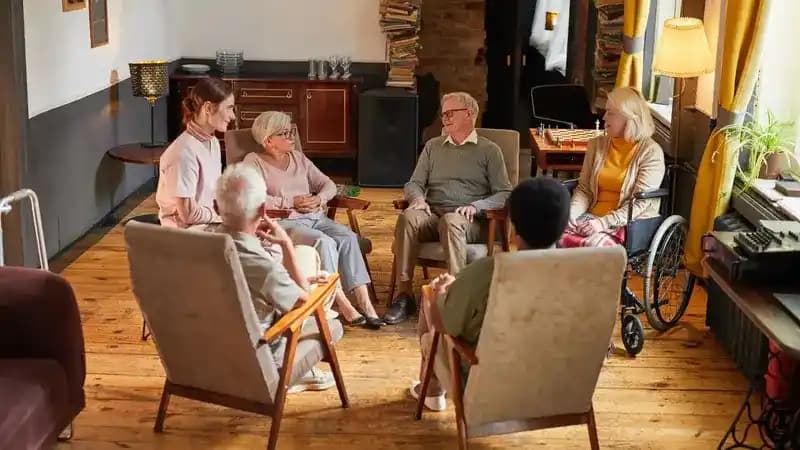
- Senior Citizen Clubs: Promote socialization and engagement, reducing isolation and depression.
- NGO-led Interventions: Organizations like HelpAge India provide counseling, health camps, and emergency services to elderly populations in need.
- Neighborhood Care Models: Some urban communities are forming cooperative elder support groups to share caregiving responsibilities.
Financial Planning for Senior Care
The cost of eldercare varies widely—from INR 5,000/month for basic in-home help to over INR 50,000/month for premium assisted living. Yet, fewer than 15% of India’s elderly population has comprehensive health insurance. Financial planning should include:
- Health Insurance: Opt for policies that include day-care procedures and coverage for pre-existing conditions.
- Retirement Planning: Encourage early saving through PPF, NPS, or pension plans specifically designed for senior citizens.
- Government Benefits: Utilize state-specific subsidies and senior citizen cards for reduced travel, tax benefits, and priority healthcare access.
Legal Considerations in Eldercare
Seniors are increasingly vulnerable to financial abuse, property disputes, and neglect. Legal protection is therefore vital:
- Maintenance and Welfare of Parents and Senior Citizens Act, 2007: Mandates that children provide for their aging parents, failing which legal recourse is available.
- Wills and Power of Attorney: Seniors must draft wills and designate trustworthy guardians to manage assets in case of incapacity.
- Elder Abuse Helplines: Various state helplines allow seniors to report abuse or neglect confidentially.
The Future of Eldercare in India
India’s eldercare sector is poised for innovation and growth. Industry reports predict a CAGR of 20% in the home-based eldercare services market over the next five years. The future may see:
- Hybrid Care Models: Combining telehealth, home visits, and community centers to offer 360-degree support.
- Specialized Geriatric Hospitals: Institutions focusing exclusively on the elderly’s complex healthcare needs.
- Wellness-Focused Living: Senior living spaces that offer preventive therapies, organic diets, and therapeutic gardening (as seen with the popularity of Asparagus Setaceus as a healing indoor plant).
Conclusion
India stands at a pivotal moment in shaping how it cares for its elderly. Eldercare must evolve beyond charity or familial obligation to become a structured, rights-based, and professionally delivered service. A collaborative approach is essential—government policies must align with private innovations, and family systems should be supported with adequate resources.
Proactive measures like increasing investments in home healthcare, geriatric training, and insurance schemes, along with sensitization programs for caregivers, can transform the experience of aging in India. As the country prepares for a significant shift in its demographic makeup, ensuring that its senior citizens live with dignity, autonomy, and joy must be a top priority.
Proactive measures like increasing investments in home healthcare, geriatric training, and insurance schemes, along with sensitization programs for caregivers, can transform the experience of aging in India. As the country prepares for a significant shift in its demographic makeup, ensuring that its senior citizens live with dignity, autonomy, and joy must be a top priority.
FAQs on Eldercare in India
Common services include home nursing, assisted living facilities, physiotherapy, telemedicine consultations, dementia care, and day-care centers for seniors.
What are the most common eldercare services in India?
Yes, though limited. Several NGOs and startups are now offering affordable care services in emerging cities like Indore, Nagpur, and Kochi.
Are there affordable eldercare solutions available in Tier-II cities?
Use verified platforms like Zocvi, which connects users with trained professionals and offers transparent service plans with ratings and reviews.
How can families find reliable eldercare providers?
Some policies offer senior-specific plans, but coverage often excludes pre-existing conditions or has waiting periods. Comprehensive review before purchase is advised.
Is eldercare covered under Indian health insurance?
Participation in community clubs, online wellness programs, yoga, gardening, and creative pursuits like music or painting can help maintain physical and mental well-being.
How can seniors stay mentally and physically active?
About Zocvi
Zocvi connects patients with verified doctors and evidence-based health guidance. Visit zocvi.com or reach us on WhatsApp at +91-92724-57637.





Comments (0)