

Introduction
Elderly care is a critical aspect of healthcare and social support systems, aimed at ensuring the well-being and quality of life for older adults. With the aging population increasing globally, the demand for specialized care services is on the rise. This blog explores various facets of elderly care, its importance, and how to ensure the best possible care for senior citizens.
The Importance of Elderly Care
Elderly care is crucial as it addresses the unique physical, emotional, and social needs of older adults. As people age, they often experience a decline in health, mobility, and cognitive abilities. Providing appropriate care and support can significantly improve their quality of life, helping them maintain independence and dignity. Elderly care encompasses a wide range of services, from medical and healthcare support to social and emotional assistance. These services are designed to ensure that older adults receive the necessary care and attention to manage their health conditions, engage in meaningful activities, and stay connected with their communities.
Types of Elderly Care Services
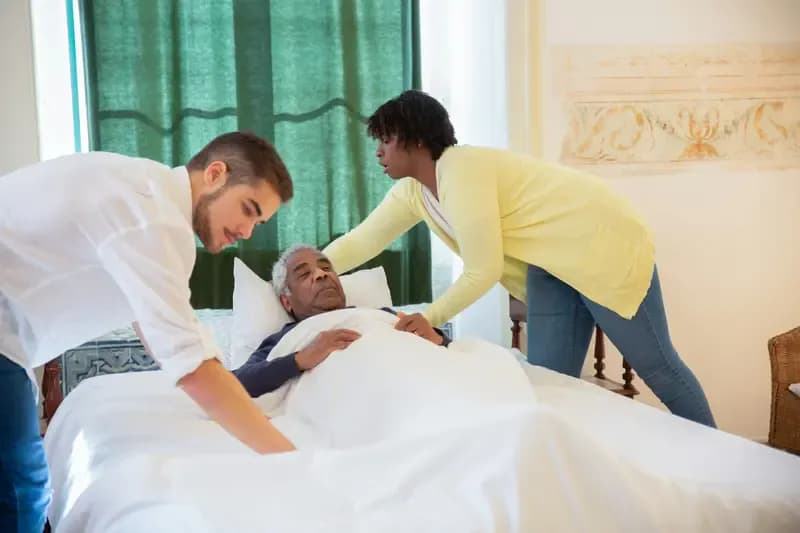
Allows seniors to receive personalized care in the comfort of their own homes. This can include medical care, personal care, and companionship services. In-home care is ideal for those who prefer to stay in familiar surroundings and maintain a degree of independence.
In-home care:
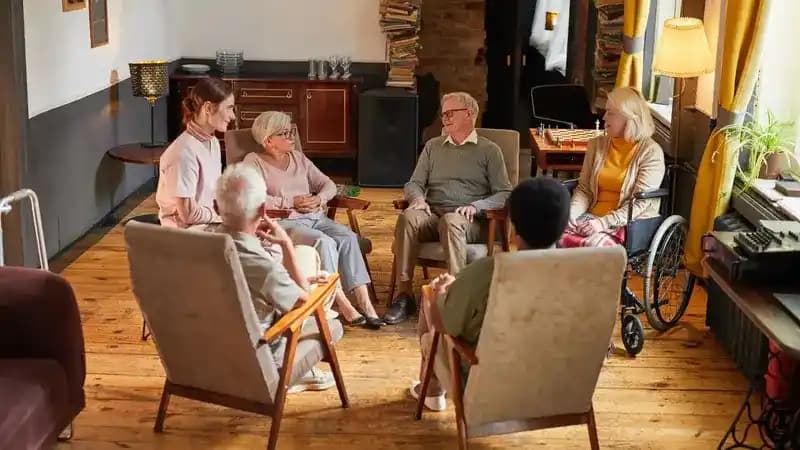
Provide a supportive environment for seniors who need help with daily activities but do not require intensive medical care. These facilities offer a range of services, including meals, housekeeping, and social activities, while allowing residents to maintain their independence.
Assisted living facilities:
Offer comprehensive medical care and support for seniors with significant health issues or disabilities. These facilities have trained healthcare professionals on staff to provide round-the-clock care and supervision.
Nursing homes:
Focuses on providing comfort and support to seniors with terminal illnesses. This type of care aims to improve the quality of life during the final stages of life by managing pain and other symptoms, offering emotional and spiritual support, and assisting families.
Hospice care:
Health and Medical Care for the Elderly
Health and medical care are fundamental components of elderly care. As people age, they are more likely to develop chronic health conditions such as diabetes, hypertension, heart disease, and arthritis. Proper medical care and management are essential to maintain their health and well-being. Regular health check-ups and screenings are crucial for early detection and management of health issues. Preventive care, such as vaccinations and health education, can help reduce the risk of illnesses and improve overall health outcomes. Medication management is another critical aspect of elderly care. Many seniors take multiple medications for various health conditions, and proper management ensures that they take the right medications at the right times, minimizing the risk of adverse effects and interactions. Access to specialized medical services, such as physical therapy, occupational therapy, and mental health care, is also important. These services can help seniors manage their health conditions, improve their mobility, and enhance their mental and emotional well-being.
Social and Emotional Support for Seniors
Social and emotional support is vital for the overall well-being of the elderly. Many seniors experience loneliness and isolation, which can negatively impact their mental health and quality of life. Providing opportunities for social interaction and emotional support can significantly improve their well-being. Family and friends play a crucial role in offering social and emotional support. Regular visits, phone calls, and social activities can help seniors stay connected and engaged with their loved ones. Community programs and senior centers offer various activities and services that promote social interaction and engagement. These programs can include recreational activities, educational classes, and support groups, providing seniors with opportunities to socialize and form new connections. Professional counseling and mental health services are also important for addressing emotional and psychological issues. Many seniors experience depression, anxiety, and other mental health conditions, and access to professional support can help them manage these challenges.
Financial Planning for Elderly Care in India
Financial planning is critical because elderly care costs escalate rapidly with medical complexity. In-home care is typically the most affordable and assisted living moderately more, while nursing homes and hospice care are most expensive. Health insurance in India generally covers hospitalisation but not routine home-nursing or facility-based care; some senior-citizen policies include limited domiciliary or post-hospitalisation nursing riders. Government schemes to explore for eligible seniors: Ayushman Bharat PMJAY for free tertiary hospital care, Pradhan Mantri Vaya Vandana Yojana for pension income, Senior Citizen Savings Scheme for financial stability. Long-term-care insurance is emerging in India but still limited in scope compared to Western markets. The single most useful financial-planning step: start conversations early, ideally in the parent's late 50s, when insurance and pension enrollments are still available and affordable.
Choosing the Right Elderly Care Facility
Choosing the right elderly care facility is a critical decision that requires careful consideration of various factors. These factors include the level of care needed, the quality of care provided, the facility's reputation, and the preferences of the senior and their family. Evaluating the level of care needed involves assessing the senior's health condition, mobility, and ability to perform daily activities. This assessment can help determine whether in-home care, assisted living, or a nursing home is the best option. The quality of care provided by the facility is another important consideration. Researching the facility's reputation, reading reviews, and visiting the facility can provide valuable insights into the quality of care and the overall environment. Preferences of the senior and their family should also be taken into account. Factors such as location, amenities, and the facility's approach to care can influence the decision. Involving the senior in the decision-making process can help ensure that they feel comfortable and supported in their new environment.
Conclusion
The four elderly-care service types, in-home care, assisted living, nursing home, hospice, are not interchangeable. Each fits a specific combination of medical complexity, functional independence, and family capacity. Match the type to the elder's actual current condition (not intent or optimism), reassess every 6-12 months as needs change, and be willing to escalate to a higher level of care when signs indicate the current setting is no longer adequate. In India, cultural preference strongly favours in-home care, but forcing that when medical complexity has outgrown family capacity harms both the elder and the family. A geriatrician's assessment often provides useful objective input to the decision.
About Zocvi
Zocvi connects patients with verified doctors and evidence-based health guidance. Visit zocvi.com or reach us on WhatsApp at +91-92724-57637.






Comments (0)