

Introduction
Old age care involves providing comprehensive support to elderly individuals to ensure their well-being and comfort. This article explores essential services, benefits, and tips for offering effective old age care.
Physical Health Support
Physical health is a critical aspect of old age care. Providing medical care, regular health check-ups, and assistance with daily activities helps maintain the health and independence of elderly individuals. Important components include medication management, regular exercise, and a nutritious diet. Regular health check-ups allow for early detection and management of health issues, reducing the risk of severe complications. Exercise tailored to the individual's capabilities can help maintain mobility, balance, and overall fitness. A well-balanced diet ensures that the elderly receive the necessary nutrients to support their health, manage chronic conditions, and boost their immune system.
Mental Health and Emotional Support
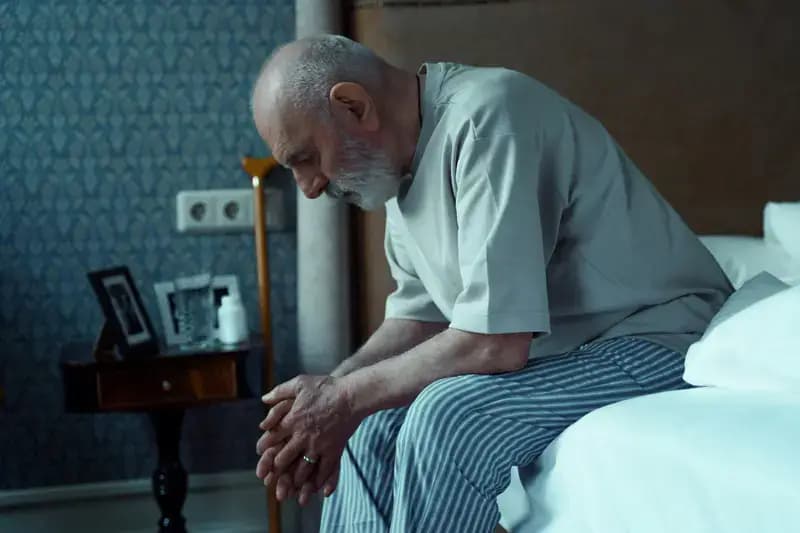
Mental health and emotional well-being are crucial for the overall quality of life in elderly individuals. Providing access to mental health services, such as counseling and therapy, helps address issues like depression and anxiety. Emotional support from family and caregivers, along with social engagement, is essential for mental well-being. Encouraging hobbies and activities that the elderly enjoy can provide a sense of purpose and fulfillment. Additionally, creating a supportive and understanding environment can significantly reduce stress and improve mental health outcomes.
Social Interaction and Community Involvement
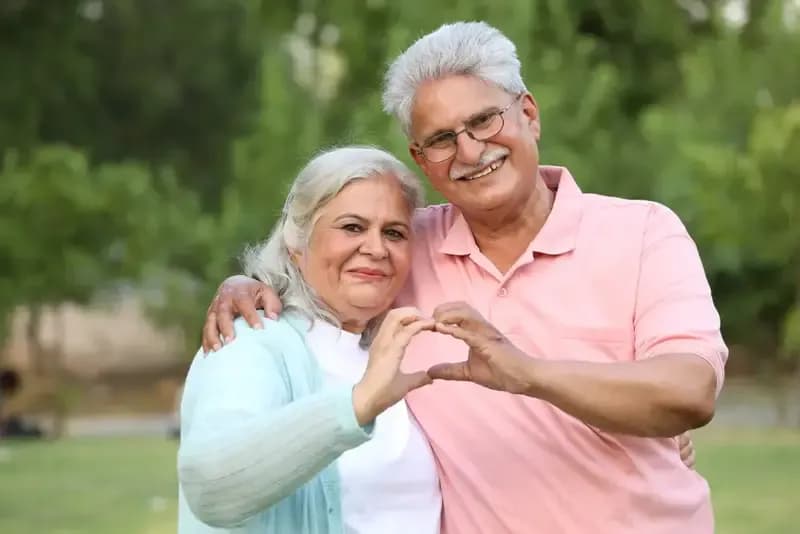
Social interaction is vital for elderly individuals to combat loneliness and isolation. Encouraging participation in community activities, social clubs, and group events helps build a sense of belonging and improves mental health. Maintaining strong family connections also plays a significant role. Regular visits from family members, involvement in community events, and opportunities for the elderly to share their experiences and knowledge can create a fulfilling social environment. Social engagement not only enhances emotional well-being but also promotes cognitive health by keeping the mind active.
Safety and Mobility Assistance
Ensuring the safety and mobility of elderly individuals is a key component of old age care. Installing safety features at home, such as handrails and non-slip flooring, and providing mobility aids like walkers and wheelchairs help prevent accidents and promote independence. Regular assessments of the living environment to identify and mitigate potential hazards can significantly reduce the risk of falls and injuries. Mobility assistance should also include regular exercise programs designed to improve strength, balance, and coordination, enhancing the elderly's ability to move safely and independently.
Nutrition and Dietary Needs
A balanced diet is essential for maintaining health in old age. Tailoring meals to meet the specific dietary needs of elderly individuals, including managing chronic conditions like diabetes and hypertension, ensures they receive the necessary nutrients for overall well-being. Consulting with a nutritionist or dietitian can help create meal plans that cater to the individual's health requirements and preferences. Proper hydration is also critical, as dehydration can lead to serious health issues in older adults. Monitoring food intake and addressing any difficulties with eating, such as dental problems or swallowing difficulties, can help maintain optimal nutrition.
Cognitive Stimulation
Cognitive health is an important aspect of overall well-being in old age. Activities that stimulate the mind, such as puzzles, reading, and memory games, can help maintain cognitive functions and delay the onset of dementia and other cognitive impairments. Encouraging lifelong learning through classes, workshops, and new hobbies can also provide cognitive benefits. Social interactions, such as conversations and group activities, contribute to cognitive health by keeping the brain engaged and active.
Financial and Legal Considerations
Managing finances and legal matters is an important part of old age care. This includes planning for retirement, managing healthcare costs, and ensuring that legal documents such as wills and power of attorney are in order. Consulting with financial advisors and legal professionals can provide valuable guidance. It's important to have a clear understanding of available resources, such as pensions, savings, and insurance, to ensure financial stability. Legal planning helps protect the interests and wishes of the elderly, providing peace of mind for both the individuals and their families.
Choosing the Right Care Facility
For some elderly individuals, transitioning to a care facility may be necessary. It's important to choose a facility that meets their needs and provides a high standard of care. Consider factors such as location, services offered, staff qualifications, and reviews from other families. Visiting potential facilities and talking to current residents and their families can provide insights into the quality of care and living conditions. Ensure that the facility offers personalized care plans, a safe and clean environment, and opportunities for social and recreational activities. The right care facility can provide a supportive and nurturing environment, enhancing the quality of life for elderly residents.
Conclusion
The in-home vs facility decision is rarely obvious in Indian families, social expectations lean strongly toward keeping parents at home, but practical realities (working children, small nuclear urban households, complex medical needs) sometimes make quality facility care the better choice. The right answer depends on the parent's medical complexity, the family's actual caregiving capacity (not just intent), the parent's own preferences and mental competency to express them, and quality of local facility options. Neither choice is inherently better, the wrong choice is any decision made without honest evaluation of the family's real capacity. If unsure, arrange a professional geriatric assessment first, the recommendations from a geriatrician often clarify the right care setting.
About Zocvi
Zocvi connects patients with verified doctors and evidence-based health guidance. Visit zocvi.com or reach us on WhatsApp at +91-92724-57637.






Comments (0)