
Introduction
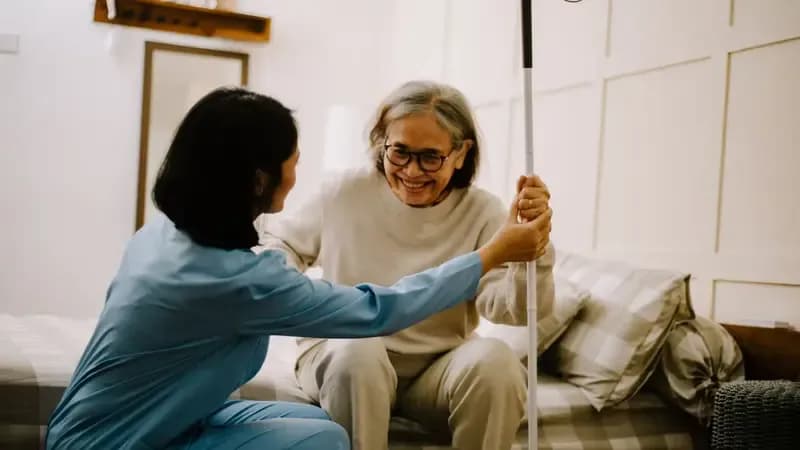
Elderly care involves a range of services and support to ensure the well-being and quality of life for older adults. As people age, they may require assistance with daily activities, medical care, and emotional support. This comprehensive guide provides essential information on various aspects of elderly care, including physical health, mental well-being, safety, and social engagement. By understanding these key elements, caregivers and family members can provide effective and compassionate care for their elderly loved ones.
Understanding Elderly Care
Elderly care encompasses various services designed to meet the unique needs of older adults. These services can be provided at home, in community settings, or in specialized facilities such as nursing homes or assisted living communities. The primary goal of elderly care is to enhance the quality of life for seniors by addressing their physical, emotional, and social needs.
Physical Health and Medical Care
Maintaining physical health is crucial for elderly individuals to enjoy a good quality of life. Key aspects of physical health care for the elderly include:
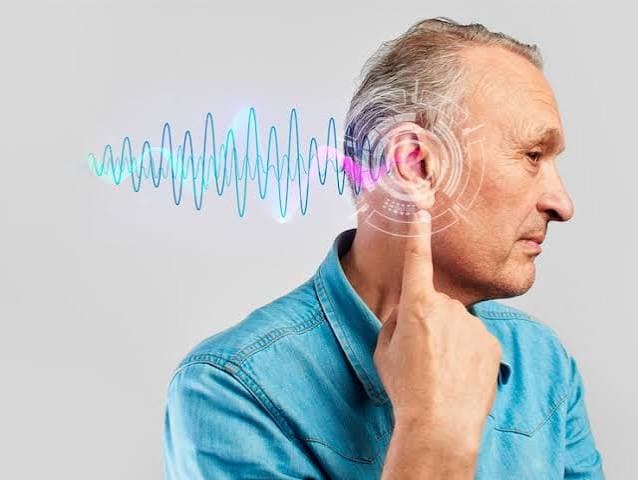
Regular medical check-ups help monitor the health status of elderly individuals and detect any potential health issues early. These check-ups should include assessments of vital signs, vision, hearing, and overall physical condition.
1. Regular Medical Check-ups
Many older adults take multiple medications. Proper medication management ensures that they take the right medications at the right times, minimizing the risk of adverse effects and interactions.
2. Medication Management
A balanced diet and adequate hydration are essential for maintaining health in the elderly. Nutritional needs may change with age, and it is important to provide meals that meet these requirements.
3. Nutrition and Hydration
Encouraging regular physical activity helps maintain mobility, strength, and cardiovascular health. Activities should be tailored to the individual's abilities and preferences.
4. Physical Activity
Many elderly individuals have chronic conditions such as diabetes, hypertension, or arthritis. Effective management of these conditions through medication, lifestyle changes, and regular monitoring is vital.
5. Chronic Disease Management
Mental Health and Emotional Well-being
Mental health is as important as physical health in elderly care. Ensuring emotional well-being involves addressing issues such as depression, anxiety, and cognitive decline. Key strategies include:
Engaging in activities that stimulate the mind, such as puzzles, reading, or learning new skills, can help maintain cognitive function and delay the onset of dementia.
1. Mental Stimulation
Social isolation can lead to depression and anxiety. Encouraging social interaction through community activities, family visits, and social clubs can enhance emotional well-being.
2. Social Interaction
Providing access to counseling and support groups helps elderly individuals cope with the emotional challenges of aging, such as loss of independence or bereavement.
3. Counseling and Support Groups
Teaching stress management techniques such as meditation, deep breathing, or yoga can help elderly individuals manage anxiety and improve their overall mental health.
4. Stress Management
Maintaining a daily routine and structure can provide a sense of stability and security, which is beneficial for mental health.
5. Routine and Structure
Safety and Mobility
Ensuring safety and mobility for elderly individuals is essential to prevent accidents and promote independence. Key aspects include:
Conducting a home safety evaluation can identify potential hazards and allow for modifications, such as installing grab bars, removing tripping hazards, and improving lighting.
1. Home Safety
Implementing fall prevention strategies, such as strength and balance exercises, using assistive devices, and ensuring proper footwear, can reduce the risk of falls.
2. Fall Prevention
Providing mobility aids such as walkers, canes, or wheelchairs can enhance independence and reduce the risk of falls.
3. Mobility Aids
Ensuring that elderly individuals have access to emergency services and know how to respond in an emergency situation is crucial for their safety.
4. Emergency Preparedness
Providing reliable transportation options enables elderly individuals to attend medical appointments, social activities, and run errands, enhancing their quality of life.
5. Transportation
Social Engagement and Quality of Life
Social engagement is vital for the well-being of elderly individuals. Activities that promote social interaction and community involvement can significantly improve their quality of life. Key strategies include:
Participating in community programs and senior centers provides opportunities for social interaction and engagement in various activities.
1. Community Programs
Encouraging elderly individuals to volunteer can provide a sense of purpose and fulfillment while contributing to the community.
2. Volunteer Opportunities
Engaging in hobbies and interests, such as gardening, painting, or playing music, can enhance mental and emotional well-being.
3. Hobbies and Interests
Maintaining strong family connections through regular visits, communication, and involvement in family activities is essential for emotional support.
4. Family Involvement
Using technology to stay connected with loved ones, such as video calls and social media, can help reduce feelings of isolation.
5. Technology
End-of-Life Care
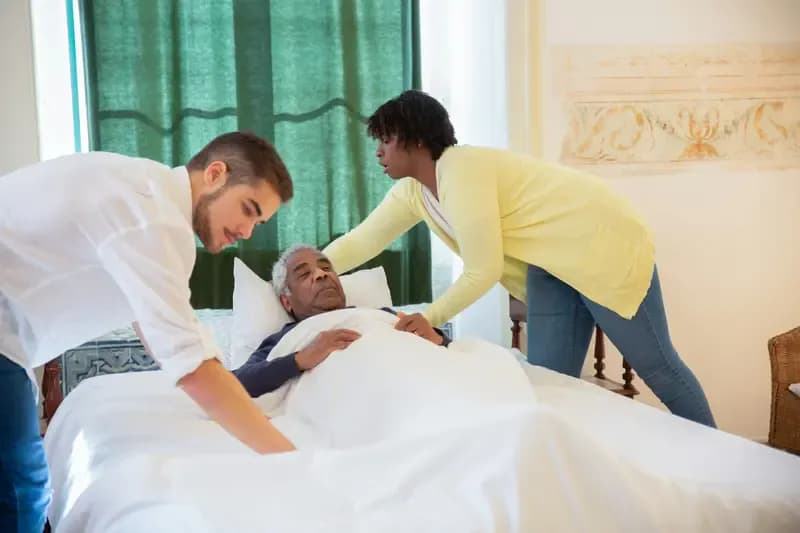
End-of-life care is a sensitive and important aspect of elderly care. It involves providing comfort, dignity, and support to individuals nearing the end of their lives. Key components include:
Palliative care focuses on relieving symptoms and improving the quality of life for individuals with serious illnesses. It involves pain management, emotional support, and addressing spiritual needs.
1. Palliative Care
Hospice care provides comprehensive support for individuals in the final stages of life. It includes medical care, emotional support, and assistance with daily activities.
2. Hospice Care
Encouraging elderly individuals to create advance directives, such as living wills and durable power of attorney, ensures their wishes are respected regarding medical treatment and end-of-life care.
3. Advance Directives
Providing support to family members, including counseling and respite care, helps them cope with the emotional and practical challenges of end-of-life care.
4. Family Support
Addressing the spiritual needs of elderly individuals through religious support or spiritual counseling can provide comfort and peace during the end-of-life journey.
5. Spiritual Care
Conclusion
Elderly care spans five domains that must be actively managed together, not sequentially. In Indian families where multigenerational caregiving is common, the burden often falls unequally on one family member, usually a daughter or daughter-in-law, leading to caregiver burnout that hurts both the caregiver and the elderly person's quality of care. Practical guardrails: divide domain responsibilities across family members, use professional respite care periodically, and start conversations about advance directives and end-of-life preferences while the elderly parent is well enough to express their wishes clearly. Waiting until crisis point makes every decision harder for everyone.
About Zocvi
Zocvi connects patients with verified doctors and evidence-based health guidance. Visit zocvi.com or reach us on WhatsApp at +91-92724-57637.





Comments (0)