
Introduction
As people age, they face a range of physical, emotional, and social challenges. Understanding these problems is crucial for providing adequate support and improving the quality of life for the elderly. This article explores the various issues that elderly people encounter and offers insights into how these problems can be addressed.
Physical Health Problems
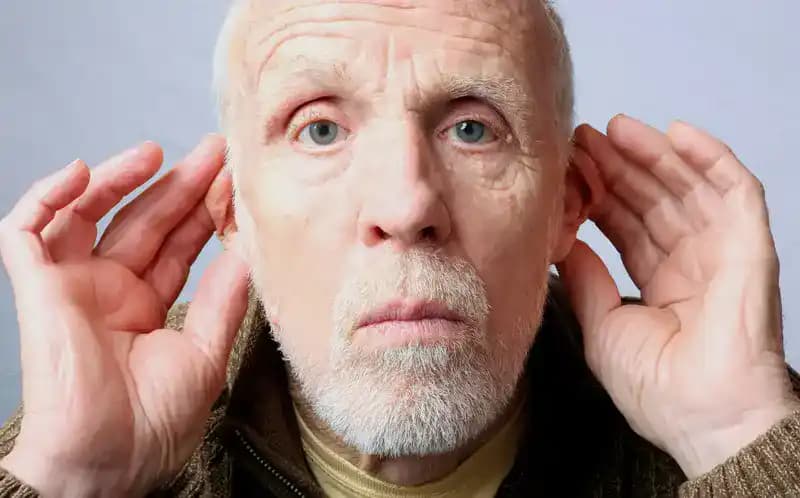
Aging brings about numerous physical health issues. Common problems include arthritis, cardiovascular diseases, diabetes, and sensory impairments such as vision and hearing loss. These conditions can significantly impact the daily lives of elderly individuals, reducing their mobility and independence. Proper medical care, regular exercise, and a balanced diet can help manage these health problems. It is also important to ensure regular check-ups and screenings to detect and address health issues early.
Mental Health Issues
Mental health problems are also prevalent among the elderly. Depression, anxiety, and cognitive decline, including dementia and Alzheimer's disease, are common concerns. These conditions can lead to a decrease in the quality of life and increased dependency on others. Providing mental health support through counseling, therapy, and medication, as well as encouraging social engagement and mental stimulation, can help mitigate these issues.
Social Isolation
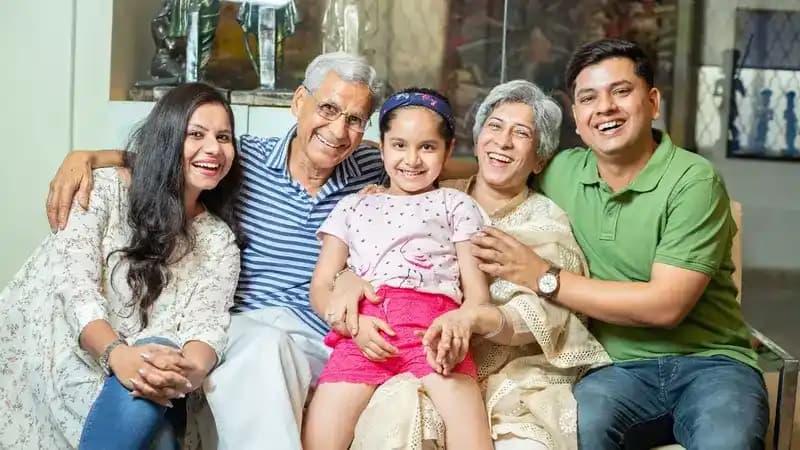
Many elderly people experience social isolation due to the loss of spouses, friends, and family members, as well as reduced mobility. Social isolation can lead to feelings of loneliness, depression, and anxiety. It is essential to foster a supportive community environment and encourage participation in social activities to combat isolation. Family visits, community programs, and technology-based communication tools can also help maintain social connections.
Financial Challenges
Financial problems are a significant concern for many elderly individuals. Limited income, rising healthcare costs, and the need for long-term care can strain their finances. It is important to plan for retirement and manage finances carefully. Seeking financial advice, utilizing government benefits, and exploring insurance options can help alleviate some of these financial burdens.
Elder Abuse
Elder abuse is a serious issue that can take many forms, including physical, emotional, financial, and neglect. It is crucial to recognize the signs of abuse and take action to protect vulnerable elderly individuals. Awareness campaigns, legal protections, and support services can help prevent and address elder abuse.
Healthcare Accessibility
Access to healthcare can be challenging for elderly individuals, particularly those living in rural or remote areas. Transportation issues, mobility limitations, and financial constraints can hinder access to necessary medical services. Improving healthcare infrastructure, offering home-based care services, and providing transportation assistance can enhance healthcare accessibility for the elderly.
Conclusion
The challenges elderly Indians face are more than medical, social isolation, financial precarity, healthcare access barriers in rural India, and elder abuse are equally important and often underestimated. Families providing elderly care in India need practical tools: Elderline 14567 (24/7 free helpline for elderly Indians facing any issue including abuse), the Maintenance and Welfare of Parents and Senior Citizens Act 2007 for legal recourse, Ayushman Bharat for eligible tertiary care, and government pension schemes for financial support. Recognising that a parent's declining wellbeing may have non-medical roots (isolation, financial stress, being subject to abuse) is often the first step toward addressing what actually matters.
About Zocvi
Zocvi connects patients with verified doctors and evidence-based health guidance. Visit zocvi.com or reach us on WhatsApp at +91-92724-57637.







Comments (0)