Curated by ZOCVI Medical Team

Heart-Healthy Eating

Overview

Heart-Healthy Eating covers the dietary patterns associated with lower cardiovascular risk — Mediterranean principles adapted to Indian kitchens, oil choices, sodium, fiber, and whole foods. Our doctors and dietitians explain what the evidence actually supports, what is hype, and how to eat in a way that protects your heart over decades.

Last reviewed: 10 August 2026

Expert Guides

Dr. Prashant Jain

Ayurvedic Doctor • 12 yrs • Delhi

63 views

Arjun Ki Chai for a Healthy Heart

Celebrate World Heart Day with Dr.

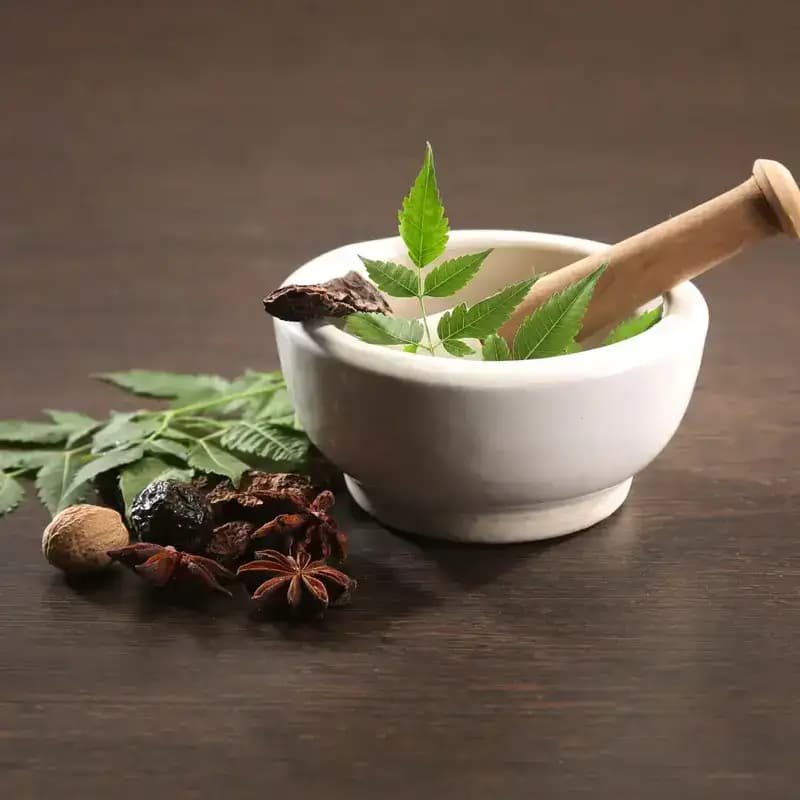
Celebrate World Heart Day with Dr. Prashant Jain’s Arjun Ki Chai! ❤️🫖On this special occasion of World Heart Day, let’s focus on nurturing our heart health with the natural goodness of Arjun Ki Chall Ki Chai. Dr. Prashant Jain shares this fantastic recipe, packed with benefits to support your heart.🌿 What is Arjun Ki Chall?Derived from the bark of the Terminalia arjuna tree, Arjun has been revered in Ayurvedic medicine for centuries. It’s known to strengthen the heart muscles, improve circulation, and help manage blood pressure.Benefits of Arjun Ki Chall Ki Chai:✅Heart Health: Supports cardiovascular function and reduces cholesterol levels.✅Antioxidant Properties: Fights free radicals, promoting overall health.✅Blood Pressure Regulation: Helps maintain optimal blood pressure levels.✅Digestive Aid: Improves digestion and detoxifies the body.Recipe for Arjun Ki Chall Ki Chai:Ingredients:a. 1-2 tsp Arjun ki Chall powderb. 2 cups waterc. 1-2 tsp honey (optional)d. Lemon slice (optional)Instructions:✅Boil the water in a saucepan.✅Add the Arjun ki Chall powder and let it simmer for 5-7 minutes.✅Strain the tea into a cup.✅Add honey and a slice of lemon if desired for taste.✅Sip and enjoy the benefits!Why Choose Ayurveda?Integrating Ayurvedic practices into your daily routine not only promotes heart health but also enhances your overall well-being. Let’s make a conscious effort this World Heart Day to prioritize our heart health naturally!For more health tips, connect with us: 📞 Call: +91 74110 16510🌐 Visit: www.nirmalayurved.co.in


Dr. Prashant Jain

Ayurvedic Doctor • 12 yrs • Delhi

61 views

Good vs Bad Cholesterol: Know the Difference

Good vs Bad Cholesterol: Know the Difference

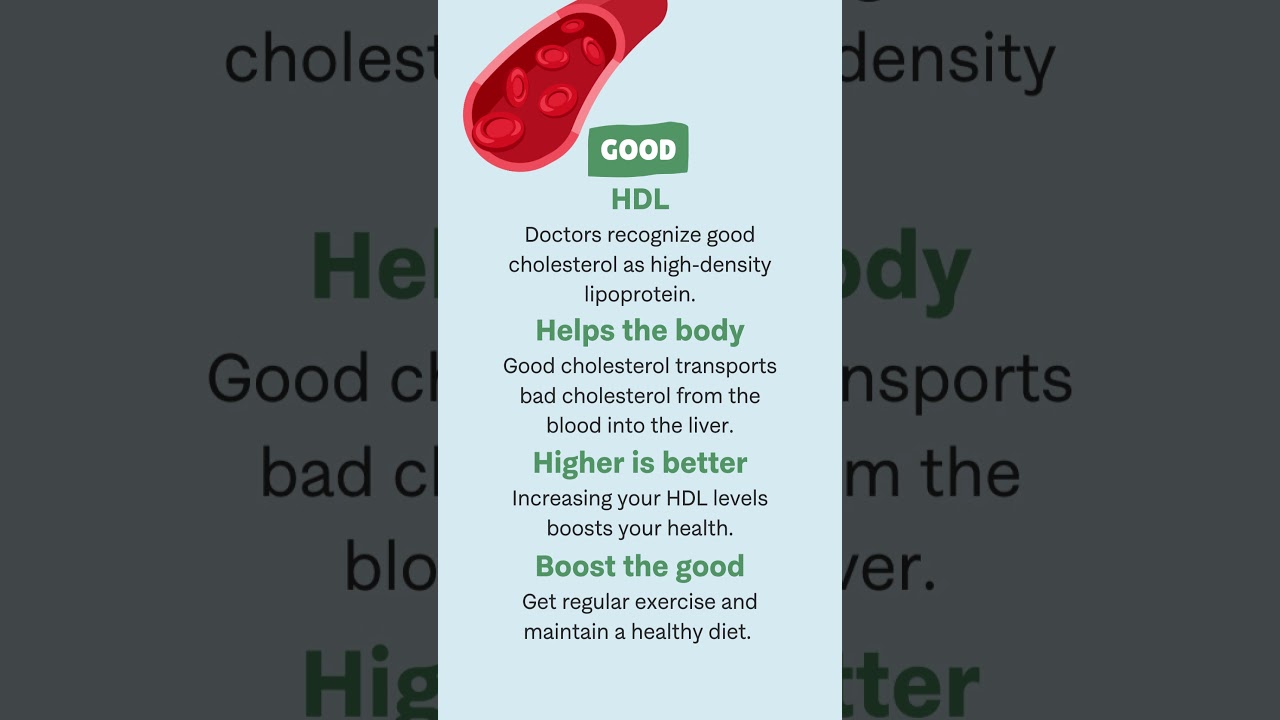
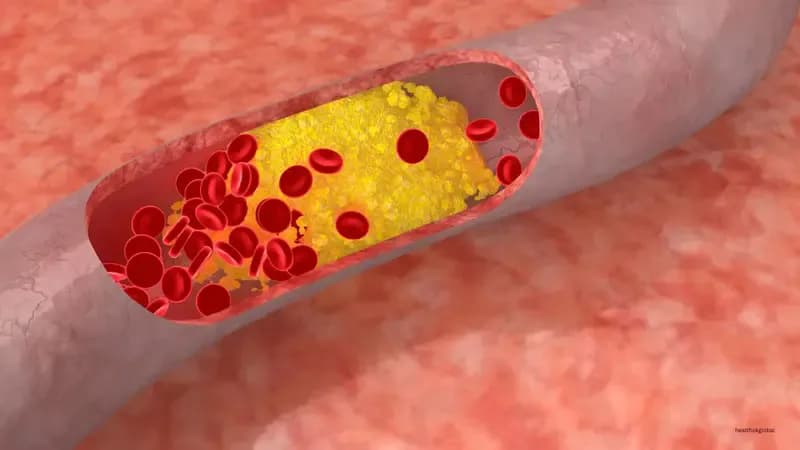
Good vs. Bad Cholesterol🩺 HDL (Good Cholesterol) helps remove excess cholesterol from the bloodstream and supports heart health. ⚠️ LDL (Bad Cholesterol) can build up in the arteries, increasing the risk of heart disease.🚶‍♂️ Regular exercise and a balanced diet can help increase HDL levels. 🥗 Limiting fatty and processed foods can help control LDL levels.👨‍⚕️ Consult Dr. Prashant Jain for personalized guidance on maintaining healthy cholesterol levels. 📞 Call: +91 7411016510 / +91 7703992118

Dr. Prashant Jain

Ayurvedic Doctor • 12 yrs • Delhi

64 views

Heart Health Tips by Dr. Prashant Jain

Nirmal Ayurved

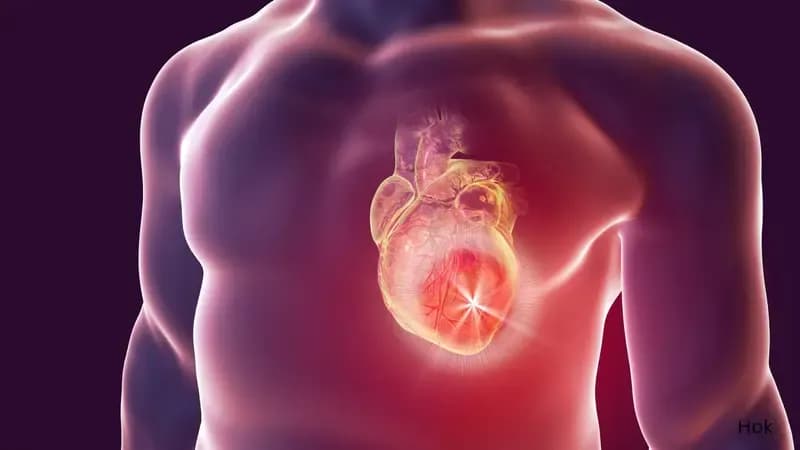
Keeping your heart healthy is essential for a long, vibrant life. Nirmal Ayurved is here to help you with practical tips and expert guidance from Dr. Prashant Jain (BAMS, MD, PhD). Top Tips for a Healthy Heart:Lose Weight if Overweight: Shedding those extra pounds can significantly improve your heart health. Eat a Heart-Healthy Diet: Incorporate fruits, vegetables, whole grains, and lean proteins into your meals. Don't Use Tobacco: Quitting smoking is one of the best things you can do for your heart. Avoid Alcohol: Limit or eliminate alcohol consumption to reduce strain on your heart. Increase Physical Activity: Aim for at least 2.5 hours of exercise per week. Even brisk walking can make a big difference! Regular Health Check-ups: Monitor your blood pressure and blood sugar levels regularly to stay ahead of potential issues. Consult with Dr. Prashant Jain for personalized advice and holistic care! Contact Us:+91 7411016510+91 7703992118 Email:nirmalayurved01@gmail.comayufertilitydelhi@gmail.comTake charge of your heart health today with Nirmal Ayurved!

Frequently Asked Questions

Expert answers from our medical team

What foods actually protect the heart?

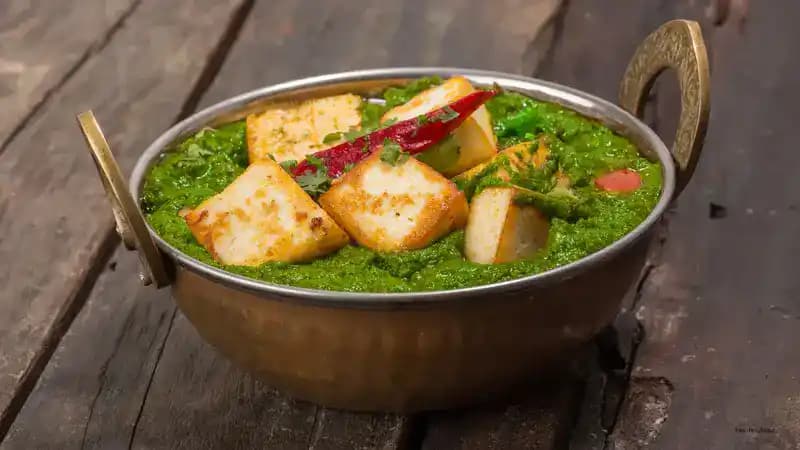
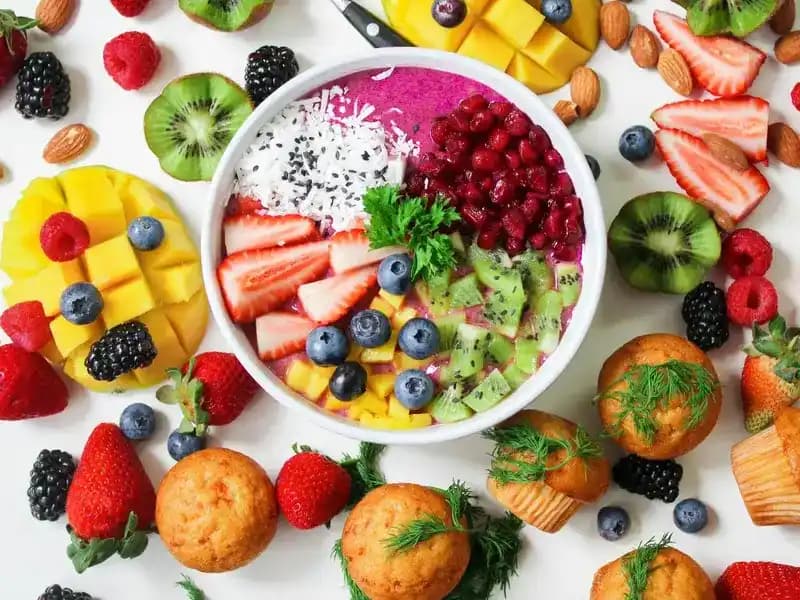
Vegetables and fruits (5+ servings a day), whole grains, legumes and pulses, nuts (30g most days), fatty fish (2 times weekly), healthy oils (olive, mustard, groundnut in moderation), and less red meat. What to cut: trans fats (hidden in some biscuits and fried snacks), excess salt, sugary drinks, ultra-processed foods, and deep-fried food eaten regularly.

Is the Mediterranean diet good for Indians?

The principles translate well — vegetables, whole grains, legumes, nuts, olive oil, moderate fish, less red meat, minimal ultra-processed. Indian versions are easy: use groundnut or mustard oil where olive is expensive, replace pasta with millets or brown rice, keep dal-sabzi-roti as the backbone. What doesn't translate: exact food choices; what does: the pattern of plant-forward, minimally processed eating.

How much salt is safe if I have high blood pressure?

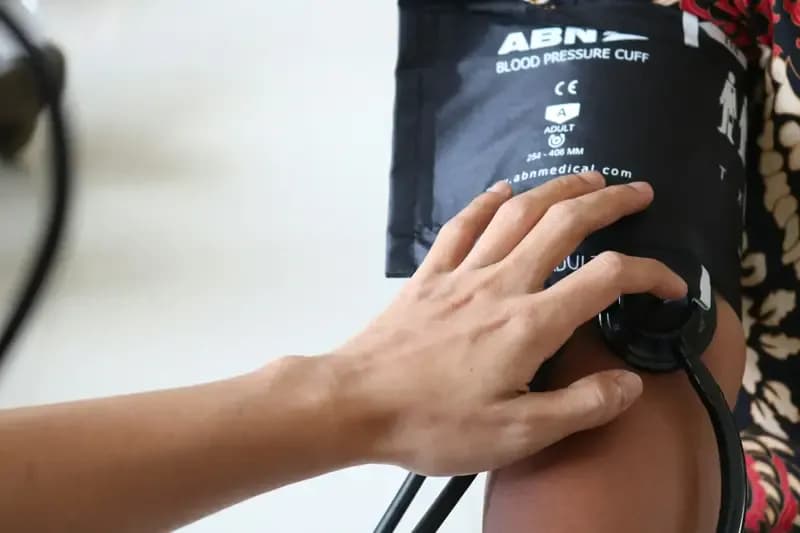
Under 5 grams a day (about one teaspoon of table salt). Most Indian diets contain 8-12 grams, largely from cooked food plus pickles, papad, chips, biscuits, restaurant food, and — surprisingly — bread and cheese. Cooking at home with less added salt, treating pickle/papad as garnish rather than staple, and reading labels on packaged foods gets most of the benefit.

Are eggs bad for the heart?

For most people, no. Older concerns about dietary cholesterol raising blood cholesterol have been largely revised — for most people, 1-2 eggs a day are fine. The saturated fat from cooking (butter, ghee) matters more than the eggs themselves. People with familial hypercholesterolaemia or specific conditions may need to limit eggs; a general population doesn't.

Which cooking oils are healthiest?

For daily use: mustard oil, groundnut oil, sesame oil, olive oil (extra virgin for finishing, refined for cooking), rice bran oil — used in moderation. For occasional use: ghee in small amounts. Avoid: partially hydrogenated oils (trans fats in older vanaspati), and any oil reused for repeated deep frying. Rotate oils rather than relying only on one. Total oil quantity matters as much as choice — most Indian cooking uses more than needed.

Community Questions

Questions from our community members

Have a question about this topic?

Ask our medical community. Your question may help others with similar concerns.

No questions yet. Be the first to ask!

Find a Doctor for Heart-Healthy Eating

Verified specialists across India

Dr. Abhijit Joshi

Cardiologist

25 yrs

Pune

Clinic
Pune, Maharashtra, 411045
₹1000 consultation
EmailWhatsApp

Dr. T A Madheswaran

Cardiologist

Coimbatore

Sri Ramakrishna Hospital
Balasundaram Layout, Coimbatore, Tamil Nadu, 641044
Fee on request

Dr. V C Chauhan

Cardiologist

33 yrs

Vadodara

Atmajyoti Clinic
Ellora Park, Vadodara, Gujarat, 390021
₹1200 consultation

Dr. Rohit Bhagat

Cardiologist

13 yrs

Ghaziabad

Mediwin Hospital
Sector 11, Ghaziabad, Uttar Pradesh, 201002
₹800 consultation