Curated by ZOCVI Medical Team

Home Health & Safety

Overview

Home Health & Safety covers childproofing, fall prevention for elders, kitchen and bathroom safety, medication storage, electrical safety, and emergency preparedness. Our doctors and editorial team explain India-specific risks (open balconies, gas stoves, monsoon hazards) and the small changes that prevent the injuries that send families to emergency rooms.

Last reviewed: 10 August 2026

Expert Guides

Frequently Asked Questions

Expert answers from our medical team

What are the most common home injuries and how can we prevent them?

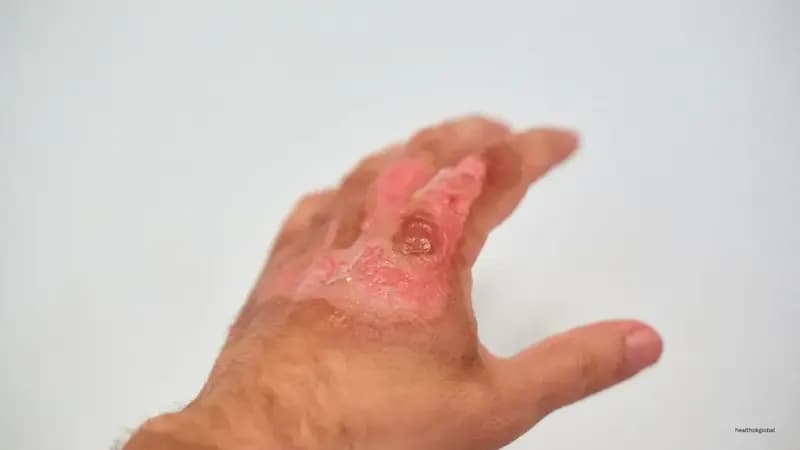
Falls (especially for young children and older adults), burns and scalds (from cooking, hot water, chai), cuts, poisoning (medicines, cleaning products), and drowning in unattended water. Prevention basics: non-slip mats in bathrooms, gates on stairs for young kids, locked cabinets for medicines and chemicals, cooking pot handles turned inward, working smoke alarm, and never leaving small children alone in bathwater — even for a moment.

What should be in a home first-aid kit?

Bandages of various sizes, antiseptic solution, gauze, adhesive tape, thermometer, tweezers, scissors, painkillers (paracetamol for adults and children), ORS sachets, an antihistamine, burn ointment, and any prescription medicines family members need daily. Check expiry dates every 6 months. For families with specific medical needs (asthma inhaler, epinephrine, glucometer), make sure everyone knows where they are.

How do we childproof a home effectively?

See the house from a child's height — you'll spot dangers adults don't notice. Common priorities: electrical socket covers, corner guards on sharp furniture, cabinet locks for chemicals and medicines, secure heavy furniture and TVs to walls, cover any water containers, keep small objects out of reach for choking prevention, safety gates on stairs. Childproofing is layered — no single measure catches everything.

How do we make the home safer for elderly family members?

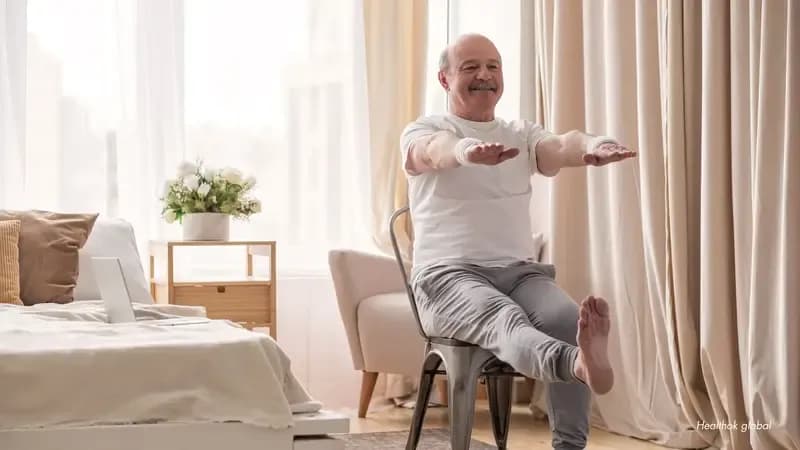
Remove loose rugs and clutter, install grab bars in bathrooms, ensure good lighting especially at night (motion-activated lights help), keep frequently used items at waist height, sturdy footwear indoors (not just chappals on smooth floors), a seat in the bathroom, and a phone or emergency alarm accessible from the bed. Consider a medical alert device for older adults living alone.

What emergency numbers and info should the whole family know?

108 for ambulance across most Indian states; local hospital emergency numbers; family doctor's number; the address of your home (people forget in emergencies); nearest 24-hour pharmacy; a designated relative to call. For families with kids, teach older children how to unlock the phone, dial 108, and give the address. Keep a printed card near the phone or fridge.

Community Questions

Questions from our community members

Have a question about this topic?

Ask our medical community. Your question may help others with similar concerns.

No questions yet. Be the first to ask!

Find a Doctor for Home Health & Safety

Verified specialists across India

Dr. Vinayak Ghanate

Orthopaedic Surgeon

18 yrs

Pune

Manipal Hospitals
Pune, Pune, Maharashtra, 411045
₹700 consultation
Email

Dr. Aravindan Tharakad S

Orthopaedic Surgeon

13 yrs

Chennai

Clinic
Raja Garden, Kottivakkam, Chennai, Tamil Nadu, 600041
₹600 consultation
EmailWhatsApp

Dr. Sushma Jadhav

Book Online

General Physician

22 yrs

Pune

SarvAadi Health and Geriatic Clinic
Laxman Nagar, Baner, Pune, Pune, Maharashtra, 411045
₹500 consultation
EmailWhatsApp

Dr. Saloni Kabra

Homoeopath

7 yrs

Indore

Homeopathic Hooman Clinic
Chhatribag, Near Shri Devi Ahilya Shishu Vihar School, Indore, Madhya Pradesh, 452002
₹800 consultation
EmailWhatsApp