
Introduction
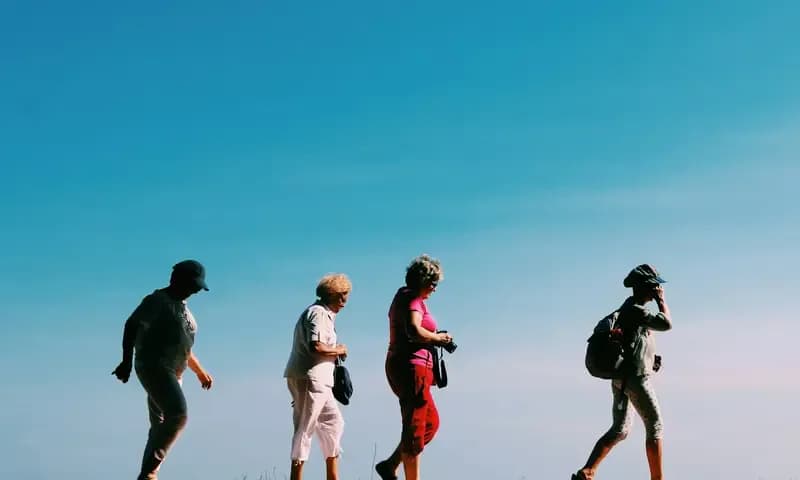
Walking is a fundamental activity that enhances the quality of life for the elderly, promoting independence, improving health, and reducing the risk of falls. However, various factors, including age-related physical changes, diseases, and decreased activity levels, can impair mobility. This comprehensive guide offers valuable tips and strategies to help the elderly regain and enhance their walking ability, ensuring they can move safely and confidently.
Understanding the Importance of Mobility in the Elderly
Mobility is crucial for the elderly, as it affects their overall well-being and independence. Regular walking can improve cardiovascular health, enhance muscle strength, and boost mental health by reducing the risk of depression and anxiety. Therefore, maintaining or improving walking ability is vital for the elderly's quality of life.
Assessing Mobility Challenges
The first step in improving walking ability is to understand and assess the underlying causes of mobility issues. Common factors include arthritis, stroke, muscle weakness, balance disorders, and fear of falling. A healthcare professional can provide a comprehensive evaluation to identify these issues and recommend a personalized plan.
Tailored Exercise Programs for the Elderly
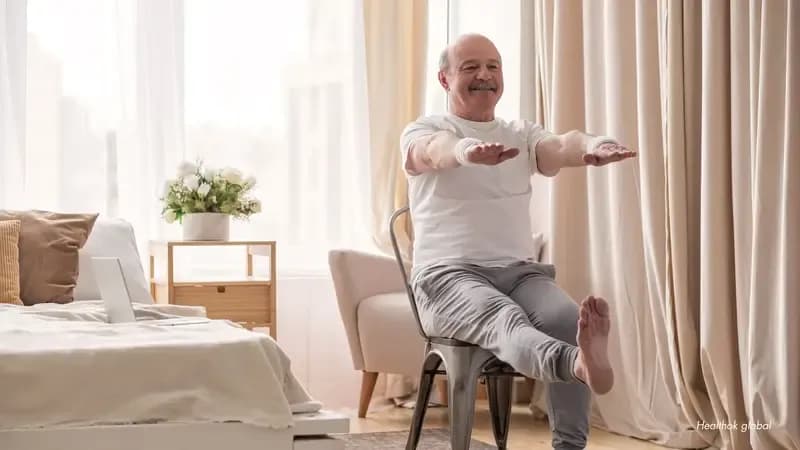
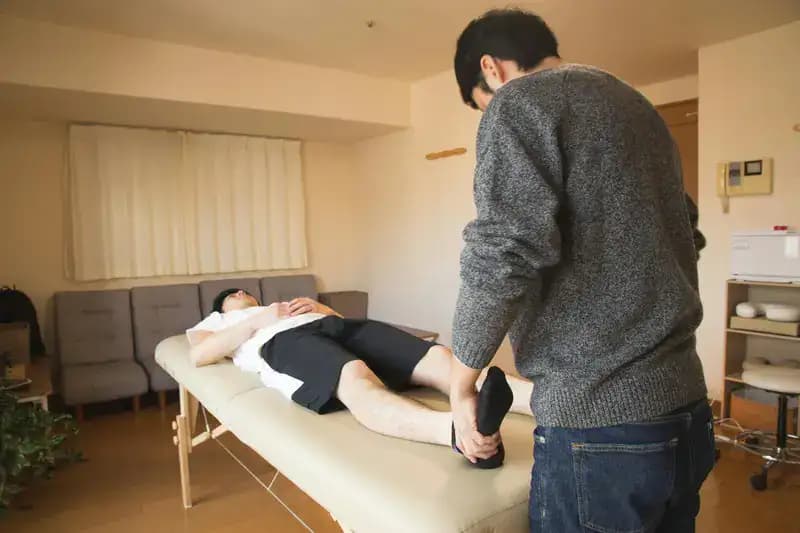
Physical therapy plays a crucial role in enhancing mobility. Tailored exercise programs designed by physical therapists can help strengthen the muscles used in walking, improve flexibility, and enhance balance. These exercises may include leg strengthening, stretching, and balance activities, all aimed at improving gait and preventing falls.
The Role of Balance Training in Preventing Falls
Balance training is essential for the elderly to prevent falls, a common cause of injury. Exercises that improve balance can help the elderly maintain their body's position, whether moving or still. Tai Chi, for example, is a gentle exercise known for its benefits in improving balance and stability.
Gait Training: A Path to Safer Walking
Gait training involves teaching the elderly to walk safely and efficiently, often using assistive devices such as canes or walkers. This training can correct improper walking patterns, reduce the risk of falls, and improve confidence in walking abilities.
The Importance of Assistive Walking Aids
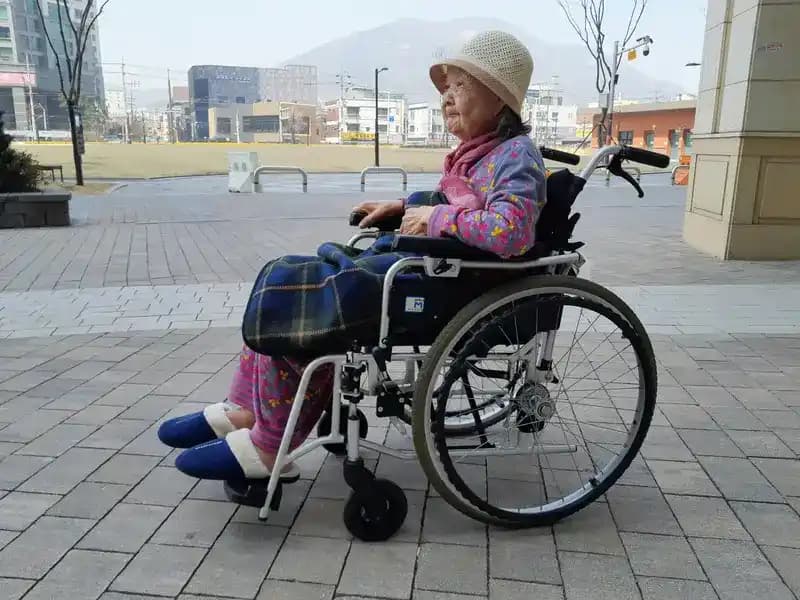
For some elderly individuals, walking aids are necessary to maintain mobility and independence. Devices like canes, walkers, and rollators offer support, reduce the load on lower limbs, and improve balance. Selecting the right walking aid, fitting it properly, and learning to use it effectively are crucial steps.
Creating a Safe Environment for Walking
Ensuring a safe home environment is essential to prevent falls. Simple modifications, such as removing tripping hazards, installing grab bars, and ensuring good lighting, can make a significant difference in promoting safe walking.
Encouraging Regular Walking and Physical Activity
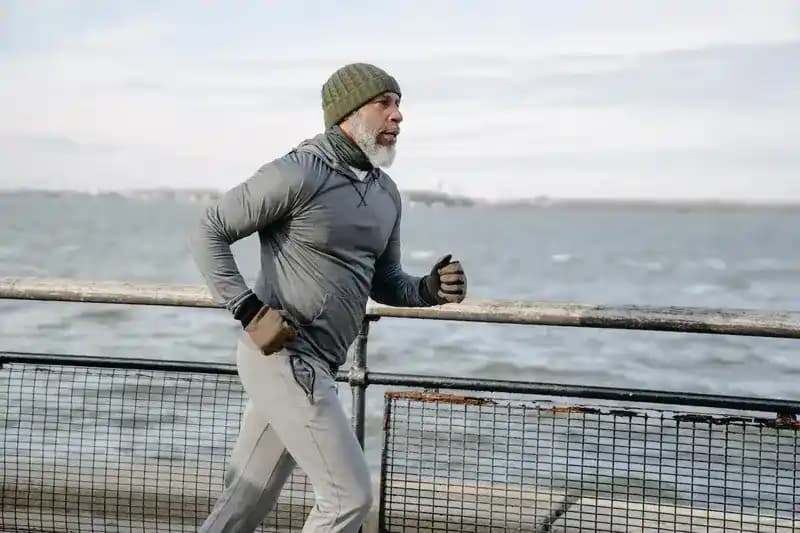
Incorporating walking into the daily routine is vital for maintaining mobility. Even short walks can have significant health benefits. Encouraging the elderly to set realistic walking goals and gradually increase their activity level can help improve their walking ability over time.
The Impact of Supportive Footwear on Walking
Wearing comfortable, supportive footwear is crucial for safe and effective walking. Proper shoes can prevent falls, reduce joint pain, and improve stability, making walking a more enjoyable and pain-free experience for the elderly.
Leveraging Social Support to Motivate the Elderly
The encouragement and support of family and friends are invaluable in motivating the elderly to stay active. Joining walking groups or participating in community exercise programs can also provide social interaction and additional motivation.
Setting Realistic Goals and Celebrating Achievements
Setting achievable walking goals is essential for maintaining motivation. Celebrating each milestone, no matter how small, can provide a sense of accomplishment and encourage the elderly to continue improving their walking ability.
Conclusion
Improving walking ability in the elderly is a multifaceted approach that requires a combination of medical evaluation, tailored exercise programs, the use of assistive devices, and environmental modifications. With the right strategies and support, the elderly can enhance their mobility, ensuring they remain active, independent, and healthy. Encouraging regular activity, ensuring safety, and providing motivation are key components of a successful plan to improve elderly walking.




Comments (0)