Ayurvedic Medicine for Piles – Natural Remedies

Ayurvedic Medicine for Piles – Natural Remedies

Overview

Piles, also known as hemorrhoids, are swollen veins in the lower rectum and anus that can cause discomfort and bleeding.

Introduction

Piles, also known as hemorrhoids, are swollen veins in the lower rectum and anus that can cause discomfort and bleeding. Ayurveda offers a range of natural remedies and lifestyle modifications to manage and treat piles effectively. This article explores Ayurvedic medicine for piles, focusing on natural and effective remedies.

Understanding Piles

Piles are classified into two types: internal and external. Internal piles occur inside the rectum, while external piles develop under the skin around the anus. Common symptoms include pain, itching, swelling, and bleeding during bowel movements. Factors contributing to piles include chronic constipation, straining during bowel movements, pregnancy, and a sedentary lifestyle.

Ayurvedic Principles for Treating Piles

Ayurveda approaches the treatment of piles by balancing the body's doshas (Vata, Pitta, and Kapha) and promoting overall digestive health. Key principles include:
Ayurveda emphasizes a diet rich in fiber, including fruits, vegetables, and whole grains, to prevent constipation and promote regular bowel movements.

Dietary Changes

Drinking plenty of water is crucial to keeping stools soft and preventing straining during bowel movements.

Hydration

Various herbs are used in Ayurveda to reduce inflammation, improve digestion, and provide relief from piles symptoms.

Herbal Remedies

Regular physical activity is recommended to improve circulation and prevent the development of piles.

Exercise

Ayurveda suggests avoiding prolonged sitting or standing, practicing good hygiene, and avoiding straining during bowel movements.

Lifestyle Modifications

Effective Ayurvedic Remedies for Piles

Several Ayurvedic remedies can help manage and treat piles naturally. These include:
Triphala is a combination of three fruits – Amalaki, Bibhitaki, and Haritaki – known for their laxative properties. It helps regulate bowel movements and prevent constipation.

Triphala

Aloe vera has anti-inflammatory properties that can soothe the irritated area and reduce swelling. Applying aloe vera gel directly to the affected area can provide relief.

Aloe Vera

Guggul is a resin extract known for its anti-inflammatory and healing properties. It helps reduce pain and swelling associated with piles.

Guggul

Turmeric has anti-inflammatory and antibacterial properties that can help reduce inflammation and prevent infections.

Turmeric

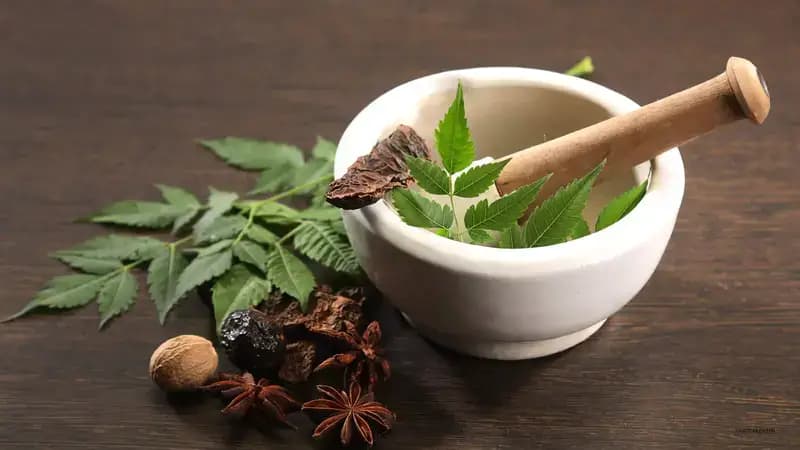
Neem leaves have antiseptic and anti-inflammatory properties. A paste made from neem leaves can be applied to the affected area for relief.

Neem

Consuming sesame seeds can help soften stools and reduce straining during bowel movements. They are also known to promote digestive health.

Sesame Seeds

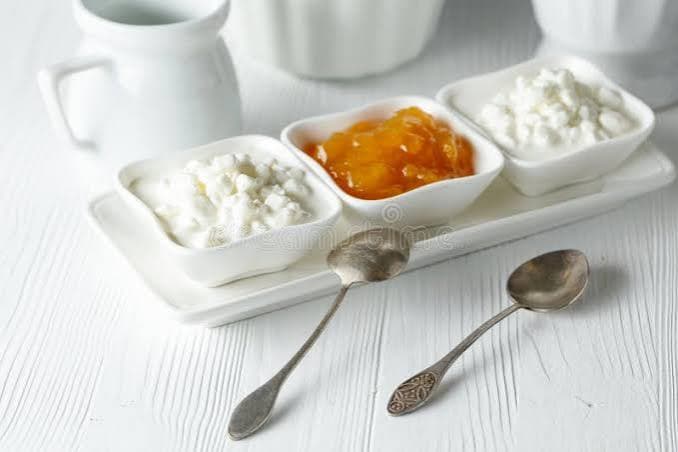
Buttermilk is recommended in Ayurveda for its soothing properties. Adding a pinch of rock salt and carom seeds to buttermilk can aid digestion and relieve piles symptoms.

Buttermilk

Radish juice is known to improve digestion and reduce piles symptoms. Drinking radish juice twice daily can be beneficial.

Radish Juice

Lifestyle Tips for Managing Piles

In addition to Ayurvedic remedies, certain lifestyle modifications can help manage and prevent piles. These include:
Engage in regular physical activity, such as walking, yoga, or swimming, to improve circulation and prevent constipation.

Regular Exercise

Avoid straining during bowel movements by using a stool to elevate your feet and promote a natural squatting position.

Avoid Straining

Practice good hygiene by cleaning the anal area gently with water and avoiding harsh soaps or wipes.

Maintain Hygiene

Drink plenty of water throughout the day to keep stools soft and prevent constipation.

Stay Hydrated

Incorporate a high-fiber diet with plenty of fruits, vegetables, and whole grains to promote regular bowel movements.

Healthy Diet

Avoid sitting for long periods, as it can increase pressure on the veins in the anal area. Take breaks and move around regularly.

Avoid Prolonged Sitting

Conclusion

Ayurvedic medicine offers a natural and holistic approach to managing and treating piles. By incorporating dietary changes, herbal remedies, and lifestyle modifications, individuals can effectively manage symptoms and improve their overall well-being. However, it is important to consult with a healthcare professional before starting any new treatment regimen, especially if symptoms persist or worsen. Embracing Ayurvedic principles can lead to long-term relief and improved digestive health.

Frequently Asked Questions

How do I use Triphala for piles?

Take 1 teaspoon of triphala powder mixed in warm water, 30 minutes before bed on an empty stomach. Effect on stool consistency appears within a week. It works by softening stool and reducing straining — the root cause of piles worsening. Continue for 4–6 weeks. Avoid if pregnant or on blood thinners.

Which Ayurvedic remedy is best for pain relief?

Aloe vera gel — apply fresh gel directly to the affected area 2–3 times daily for immediate soothing. Neem-oil-based ointment is also effective, especially if inflammation is severe. For internal relief, sitz baths with a pinch of turmeric help. Combine with prescribed medical care for severe or bleeding piles.

What Ayurvedic diet supports piles healing?

Emphasize soft, cooling foods: buttermilk with rock salt and carom seeds, cooked leafy greens, bananas, pears, and papaya. Add 1–2 tsp ghee daily to soften stools. Avoid spicy food, alcohol, red meat, fried snacks, and heavy dairy — these aggravate Pitta and worsen piles. Include soaked sesame seeds or figs to prevent constipation.

When is Ayurveda alone not enough?

See a doctor if piles are bleeding heavily, protruding and not retracting, painful for more than a week despite home care, or if you have grade 3–4 piles. Post-menopausal or elderly patients with new rectal bleeding need colonoscopy to rule out cancer. Ayurveda supports healing for mild-to-moderate cases but doesn't substitute for procedures like rubber-band ligation or laser treatment when needed.

Questions About This Article

Have a question? Ask the author directly.

Have a question about this article?

Ask Zocvi Editorial directly. Your question may help others with similar concerns.

Q:1 answer
Q:1 answer
Q:1 answer
Q:1 answer

Comments (0)

Found this helpful? Share it!

LinkedInWhatsApp

More from Zocvi Editorial

Other Articles You May Like

Dr. Prashant Jain

Ayurvedic Doctor • 12 yrs • Delhi

39 views

Lose Weight Naturally with Ayurveda

Nirmal Ayurved

Embark on a journey to a healthier you! Our expert-guided weight loss programs are designed to help you achieve your fitness goals naturally. Say goodbye to unwanted pounds and hello to a vibrant, healthier lifestyle! At Nirmal Ayurved, we believe in holistic wellness and personalized care. Our Ayurvedic treatments focus on balancing the body and mind, promoting sustainable weight loss without compromising on health. Ready to transform your life and embrace a new you? Consult us now and take the first step towards a healthier, happier future! Call us: +91 7411016510, +91 7703992118 Email: nirmalayurved01@gmail.com, ayufertilitydelhi@gmail.com

Dr. Prashant Jain

Ayurvedic Doctor • 12 yrs • Delhi

62 views

Arjun Ki Chai for a Healthy Heart

Celebrate World Heart Day with Dr.

Celebrate World Heart Day with Dr. Prashant Jain’s Arjun Ki Chai! ❤️🫖On this special occasion of World Heart Day, let’s focus on nurturing our heart health with the natural goodness of Arjun Ki Chall Ki Chai. Dr. Prashant Jain shares this fantastic recipe, packed with benefits to support your heart.🌿 What is Arjun Ki Chall?Derived from the bark of the Terminalia arjuna tree, Arjun has been revered in Ayurvedic medicine for centuries. It’s known to strengthen the heart muscles, improve circulation, and help manage blood pressure.Benefits of Arjun Ki Chall Ki Chai:✅Heart Health: Supports cardiovascular function and reduces cholesterol levels.✅Antioxidant Properties: Fights free radicals, promoting overall health.✅Blood Pressure Regulation: Helps maintain optimal blood pressure levels.✅Digestive Aid: Improves digestion and detoxifies the body.Recipe for Arjun Ki Chall Ki Chai:Ingredients:a. 1-2 tsp Arjun ki Chall powderb. 2 cups waterc. 1-2 tsp honey (optional)d. Lemon slice (optional)Instructions:✅Boil the water in a saucepan.✅Add the Arjun ki Chall powder and let it simmer for 5-7 minutes.✅Strain the tea into a cup.✅Add honey and a slice of lemon if desired for taste.✅Sip and enjoy the benefits!Why Choose Ayurveda?Integrating Ayurvedic practices into your daily routine not only promotes heart health but also enhances your overall well-being. Let’s make a conscious effort this World Heart Day to prioritize our heart health naturally!For more health tips, connect with us: 📞 Call: +91 74110 16510🌐 Visit: www.nirmalayurved.co.in

Find a Doctor for Cancer Treatment Options

Verified specialists across India

Dr. Prashant Jain

Ayurvedic Doctor

12 yrs

Delhi

Nirmal Ayurved
Shahdara – Jyoti Nagar West, Delhi, Delhi, 110094
Fee on request
EmailWhatsApp

Dr. Shrinivas Patil

Ayurvedic Doctor

20 yrs

Belagavi

Shri Ayurved
Madhavpur Vadgaon, Belagavi, Karnataka, 590005
₹150 consultation

Dr. Saurabh Soni

Ayurvedic Doctor

20 yrs

Jhansi

Dr Saurabh Soni Clinic
Jhansi, Jhansi, Uttar Pradesh, 284128
₹300 consultation

Dr. Ritesh Chawla

Ayurvedic Doctor

20 yrs

Amritsar

Deevya Ayurveda and Panchkarma Centre
Kashmir Avenue, Amritsar, Punjab, 143001
₹500 consultation