

Introduction
Arthritis is a common condition that causes joint pain, stiffness, and inflammation, affecting millions of people worldwide. Ayurveda, an ancient system of medicine originating from India, offers holistic approaches to managing arthritis symptoms and improving joint health. Let's explore Ayurvedic treatment options for arthritis and how they can help alleviate pain and promote overall well-being.
Understanding Arthritis in Ayurveda
According to Ayurveda, arthritis is believed to result from an imbalance of the three doshas – Vata, Pitta, and Kapha – within the body. Imbalances in these energies can lead to the accumulation of toxins (ama) in the joints, causing inflammation and pain.
Dosha Imbalance:
Ayurveda recognizes various types of arthritis, including Amavata (rheumatoid arthritis), Sandhivata (osteoarthritis), and Vatarakta (gout). Each type is characterized by specific symptoms and underlying imbalances, requiring tailored treatment approaches.
Types of Arthritis in Ayurveda:
Ayurvedic Treatment Approaches
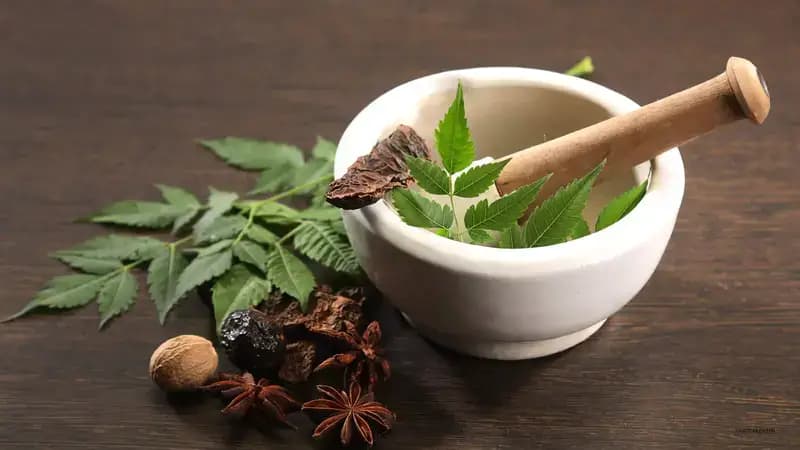
Ayurvedic herbs such as Ashwagandha, Turmeric, Guggul, and Boswellia are commonly used to reduce inflammation, alleviate pain, and improve joint mobility in arthritis. These herbs possess anti-inflammatory, analgesic, and immunomodulatory properties, making them effective in managing arthritis symptoms.
Herbal Remedies:
Ayurveda emphasizes the importance of diet in managing arthritis. Following a diet rich in anti-inflammatory foods such as fruits, vegetables, whole grains, and healthy fats can help reduce inflammation and support joint health. Avoiding processed foods, refined sugars, and excessive consumption of dairy and red meat is also recommended.
Dietary Modifications:
Panchakarma, a detoxification therapy in Ayurveda, involves cleansing the body of toxins (ama) through various purification procedures such as Vamana (emesis), Virechana (purgation), Basti (enema), Nasya (nasal administration), and Rakta mokshana (bloodletting). Panchakarma helps remove ama from the joints, reducing inflammation and pain associated with arthritis.
Panchakarma Therapy:
Yoga and meditation are integral components of Ayurvedic treatment for arthritis, promoting flexibility, strength, and relaxation. Gentle yoga poses, pranayama (breathing exercises), and meditation techniques can help improve joint mobility, reduce stress, and enhance overall well-being in individuals with arthritis.
Yoga and Meditation:
Lifestyle Recommendations
Engaging in regular physical activity such as walking, swimming, or tai chi can help improve joint flexibility, strengthen muscles, and reduce arthritis pain. Low-impact exercises are recommended to avoid excessive strain on the joints.
Exercise Regularly:
Excess weight can exacerbate arthritis symptoms by putting additional stress on the joints. Following a balanced diet and staying physically active can help maintain a healthy weight and reduce the burden on arthritic joints.
Maintain a Healthy Weight:
Chronic stress can worsen arthritis symptoms by triggering inflammation and exacerbating pain. Practicing relaxation techniques such as deep breathing, mindfulness, and meditation can help reduce stress levels and improve overall well-being.
Manage Stress:
Conclusion
Ayurvedic treatment offers holistic approaches to managing arthritis symptoms and promoting joint health. By incorporating herbal remedies, dietary modifications, detoxification therapies, yoga, and lifestyle recommendations into their daily routine, individuals with arthritis can experience relief from pain, inflammation, and stiffness while enhancing their overall quality of life. Consultation with a qualified Ayurvedic practitioner is recommended to develop a personalized treatment plan tailored to individual needs and health goals.







Comments (0)