
Introduction
Music opens doors to creativity, memory enhancement, and social interaction, making it a wonderful addition to a senior's lifestyle. Learning a musical instrument in later life is not only possible but can be a source of immense joy and numerous health benefits. Here’s a guide to the best musical instruments for seniors to learn.
Choosing the Right Instrument
Selecting an instrument involves considering ease of play, accessibility, and personal interest. It's important to choose an instrument that accommodates any physical limitations and aligns with the senior's musical preferences.
Piano: A Versatile Choice
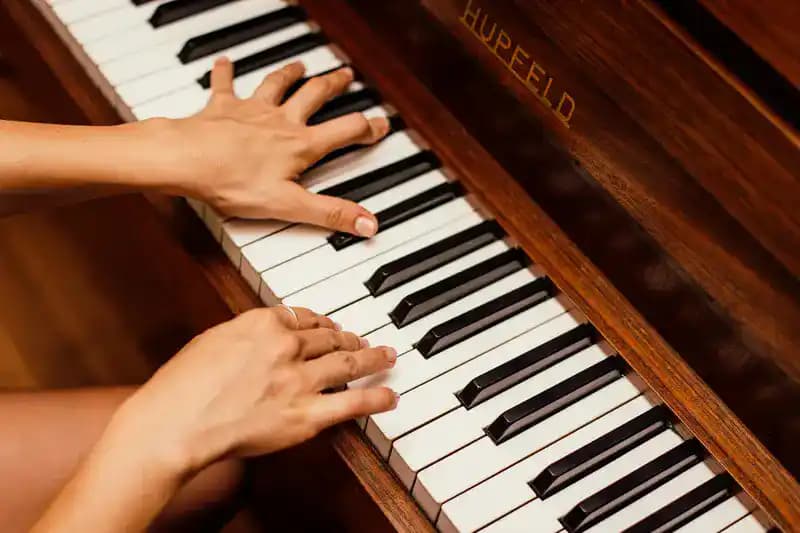
The piano stands out as a versatile instrument suitable for all ages, including seniors. It's beneficial for cognitive development, enhancing memory, and improving hand-eye coordination. Digital pianos and keyboards offer adjustable volume settings and keys that are easy to press, making them senior-friendly. The piano's wide range of notes allows for the expression of a full spectrum of emotions, from joy to melancholy.
Ukulele: Small and Simple
With its compact size and simple chord structures, the ukulele is perfect for seniors. It's lightweight, making it easy to hold and play, and just a few lessons can enable someone to start creating music. The ukulele's cheerful sound brings a sense of happiness and can uplift spirits.
Harmonica: Portable and Expressive
The harmonica, with its small size and expressive sound, is ideal for seniors interested in playing music on the go. It requires minimal hand movement and can be beneficial for lung health, promoting deep breathing and even serving as a form of respiratory therapy.
Percussion Instruments: Rhythm and Coordination
Percussion instruments, such as bongos, tambourines, or even a cajón, can be fantastic for seniors. They help maintain rhythm, improve coordination, and can be played sitting down. Percussion playing also offers a communal experience, making it excellent for group settings.
Finding Lessons and Communities
Many community centers, music schools, and online platforms offer lessons tailored to seniors. These resources can provide not just instruction but also a sense of community and shared purpose.
The Therapeutic Power of Music
Beyond the joy of playing, music acts as a form of therapy. It can enhance memory recall in those with dementia, serve as a medium for emotional expression, and reduce feelings of anxiety or depression. Engaging with music allows for a creative outlet that enriches life at any age.
Conclusion
Whether it's the calming melodies from a piano, the cheerful strums of a ukulele, the soulful sounds of a harmonica, or the engaging rhythms of percussion, each instrument offers unique benefits that can enhance the quality of life for seniors. Starting this musical journey can lead to improved mental health, increased social interaction, and, most importantly, a lot of fun. Dive into the world of music and let the adventure begin!




Comments (0)