
Introduction
In the tapestry of life, senior years are a time for reflection, growth, and exploration. Hobbies play a crucial role in enriching this phase of life, offering seniors not just entertainment, but also avenues for mental, physical, and emotional wellness.
The Importance of Hobbies for Seniors
Hobbies are not merely pastimes for seniors; they are essential for enhancing quality of life, maintaining cognitive function, fostering social connections, and promoting physical health. From the comfort of home to the great outdoors, hobbies offer diverse benefits.
Home Hobbies for Seniors
For many seniors, home is a sanctuary where they can indulge in interests safely and comfortably. Crafting, gardening, cooking, and digital pursuits like blogging or genealogy provide meaningful engagement right at their doorstep.
Outdoor and Social Hobbies
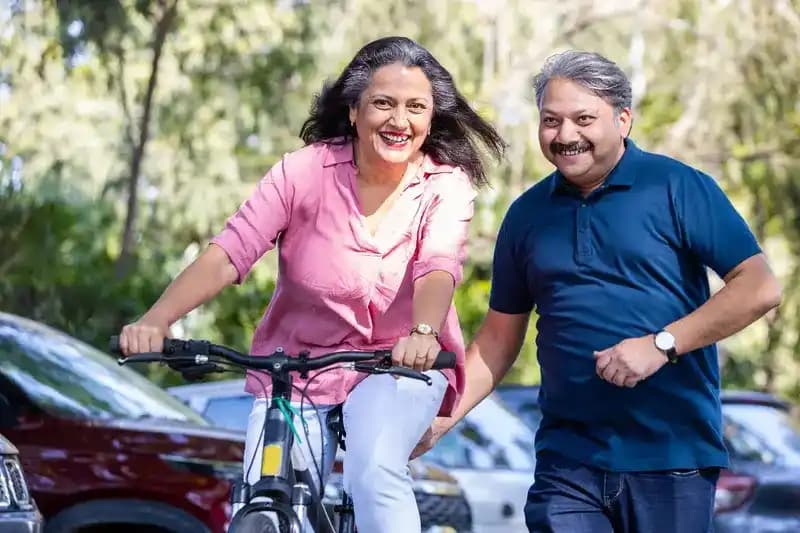
Beyond the confines of home, hobbies like walking, bird watching, golfing, or participating in community groups offer fresh air, nature's beauty, and social interaction, contributing to a balanced and fulfilling lifestyle.
Creative and Artistic Hobbies
Creative expression through painting, writing, music, or photography stimulates the brain, nurtures the soul, and can even be shared and celebrated with others, offering a sense of achievement and connection.
Physical and Wellness Hobbies
Activities like yoga, tai chi, swimming, or light aerobics are perfect for seniors, combining physical activity with relaxation techniques to enhance mobility, flexibility, and overall well-being.
Intellectual and Educational Hobbies
Lifelong learning through reading, puzzles, language learning, or taking online courses keeps the mind sharp, challenges cognitive skills, and opens new horizons of knowledge and understanding.
Conclusion
The golden years can truly shine with the adoption of hobbies that resonate with seniors' interests and lifestyles. Encouraging seniors to explore new hobbies or rekindle past interests can lead to discoveries, joy, and a deepened sense of purpose.



Comments (0)