
Health with Sakal: ६ महिन्यांपर्यंतच्या बाळाला कुठल्या लसी दिल्याच पाहिजेत? | Dr. Mahesh Sulakshane


Hepatitis & Liver Infections covers hepatitis A, B, C, and E — India has high prevalence of several variants. Our doctors and editorial team explain transmission routes, who should be vaccinated, what acute versus chronic infection means, and what current direct-acting antiviral treatment achieves for chronic hepatitis B and C.
Last reviewed: 10 August 2026

Understand everything about the HPV vaccine — from its benefits and dosing schedule to side effects, pricing in India, and availability in government hospitals.

Shingles, also known as herpes zoster, is a viral infection that causes a painful rash and can lead to severe complications if left untreated.
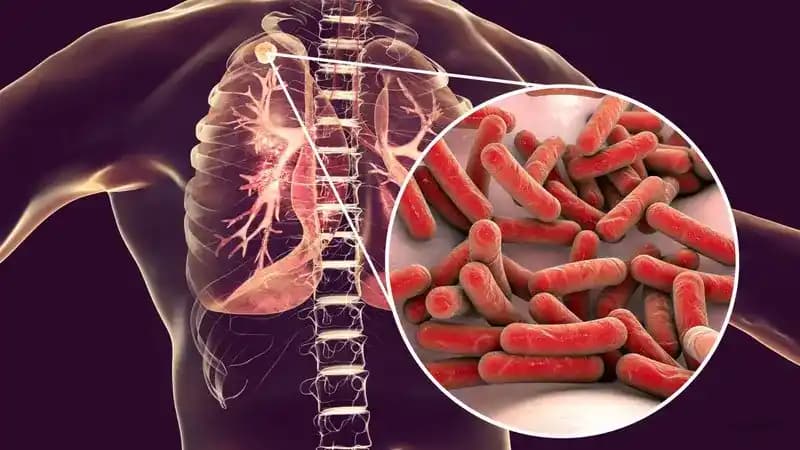
TB progresses through three distinct stages, primary infection, latent TB (dormant, non-contagious), and active disease. Understanding how the bacteria evade the immune system and where treatment fits in each stage matters for anyone in India where TB remains highly prevalent.
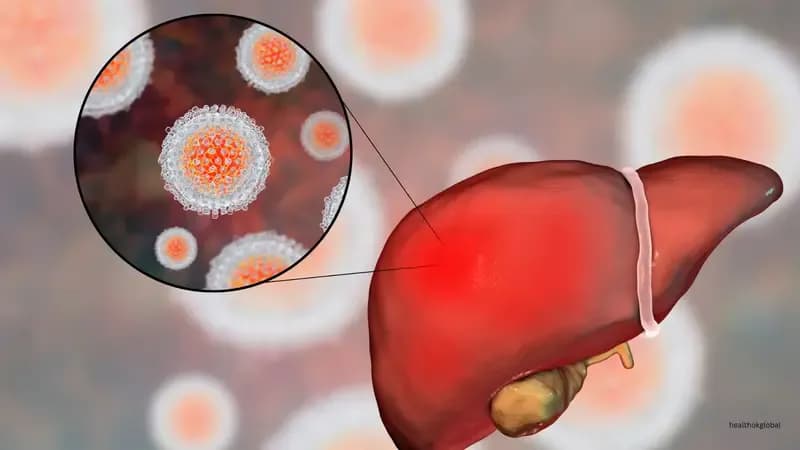
Hepatitis B post exposure prophylaxis (PEP) involves a series of interventions to prevent infection after potential exposure to the hepatitis B virus (HBV).
Two classification systems clinicians use for leprosy: WHO's simple paucibacillary vs multibacillary split (used for treatment decisions) and the more detailed Ridley-Jopling five-type system (used for prognosis and research). Here is what each type looks like clinically and why classification matters.
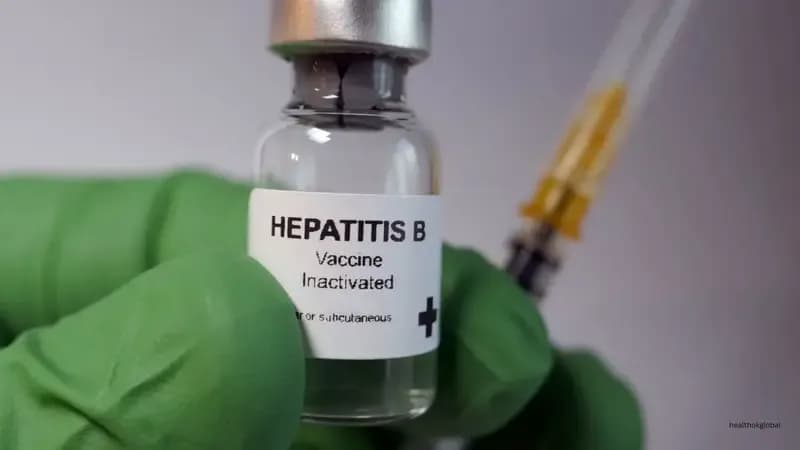
The hepatitis vaccine is essential for protecting adults against hepatitis A and B infections.

The Pneumococcal Conjugate Vaccine (PCV) is a critical immunization used to protect against infections caused by Streptococcus pneumoniae bacteria.
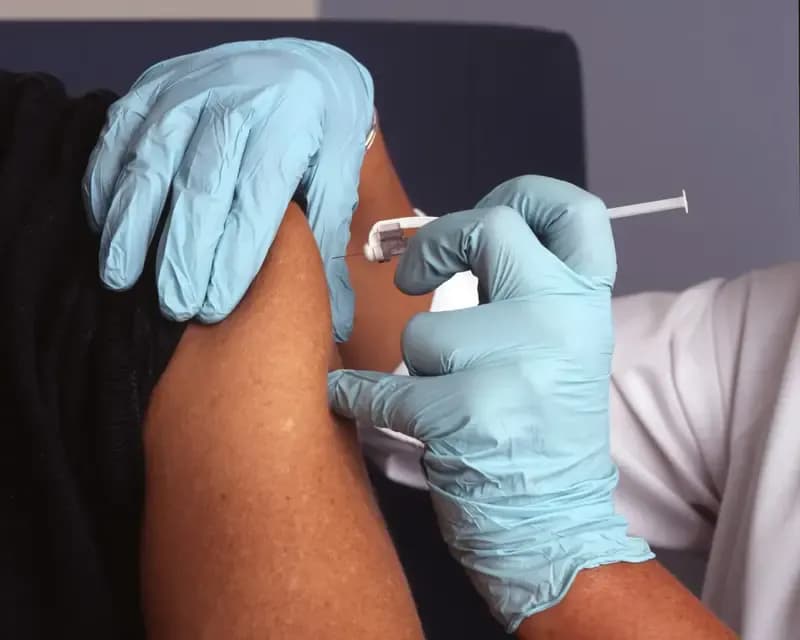
Cervical cancer is a significant health concern for women globally, including in India. Fortunately, the availability of the cervical cancer vaccine has provided a crucial tool in the fight against this disease.
Verified specialists across India
Hepatitis A and E spread through contaminated water and food — usually cause short illness that resolves. Hepatitis B and C spread through blood, sexual contact, and (for B) mother to child — can become chronic and cause liver cirrhosis or cancer. Hepatitis D only occurs with B. Vaccines exist for A and B, not for C. Testing for hepatitis B is worth doing at least once in adulthood; C testing is recommended for anyone with risk factors.
Through blood (needle sharing, unscreened blood transfusions, tattoos and piercings with unsterile equipment), sexual contact, and from mother to baby at birth. It doesn't spread through casual contact, sharing food, or coughing. India has significant hepatitis B prevalence — the childhood vaccine has reduced this dramatically but many adults born before universal vaccination remain unvaccinated.
Yes — modern direct-acting antiviral drugs cure over 95% of hepatitis C cases with 8-12 weeks of oral medication. This is one of the biggest treatment advances of the last decade. The challenge is finding people who have it, since it's silent for years. Anyone with risk factors (blood transfusion before 2001, injection drug use, healthcare exposure, tattoos with unsterile equipment) should get tested.
Most people don't — chronic hepatitis is silent for years. Vague symptoms like fatigue, poor appetite, or mild upper right abdominal discomfort may appear late. Diagnosis is by blood test (hepatitis B surface antigen, hepatitis C antibody). Anyone with elevated liver enzymes on a routine test, or with risk factors, should be tested. Early diagnosis lets treatment start before serious liver damage.
Yes — for hepatitis B, close family members (spouse, children, and household contacts) should be tested and vaccinated if negative. For hepatitis C, testing sexual partners and anyone who shared needles is recommended. Casual household contact doesn't spread these viruses; children shouldn't be treated differently at home. Awareness prevents transmission and enables early treatment.
Ask our medical community. Your question may help others with similar concerns.
No questions yet. Be the first to ask!