HPV Vaccine: A Complete Guide to Protection, Side Effects & Cost in India
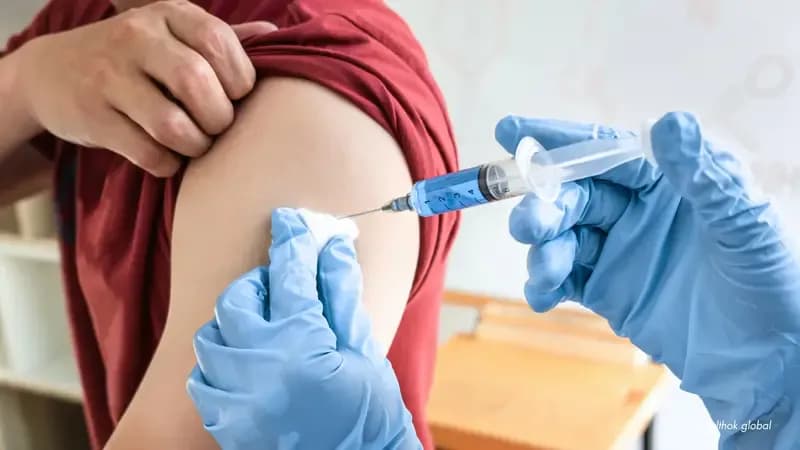
Understand everything about the HPV vaccine — from its benefits and dosing schedule to side effects, pricing in India, and availability in government hospitals.

Cancer Prevention & Risk Factors covers tobacco (India's largest preventable cancer cause), diet, alcohol, infection-related cancers (HPV, hepatitis), occupational exposures, and family history. Our oncologists and editorial team explain what the evidence actually supports versus what is wellness-industry noise, and how to act on the few interventions that genuinely reduce risk.
Last reviewed: 10 August 2026
Understand everything about the HPV vaccine — from its benefits and dosing schedule to side effects, pricing in India, and availability in government hospitals.
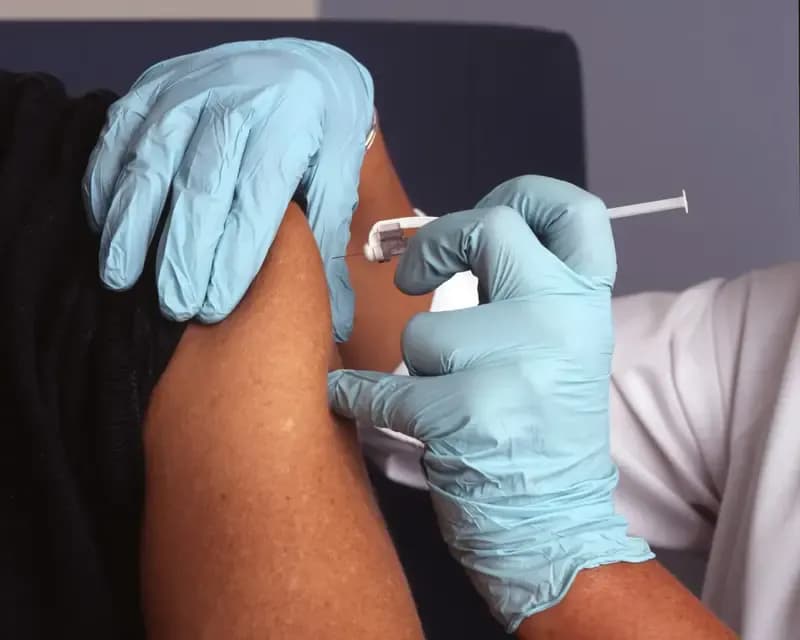
Cervical cancer is a significant health concern for women globally, including in India. Fortunately, the availability of the cervical cancer vaccine has provided a crucial tool in the fight against this disease.

Ashwin Tamhankar on Instagram: "🚭 "50% of bladder cancer patients are smokers."This World No Tobacco Day, Dr. Ashwin Tamhankar, Consultant Urological Cancer & Robotic Surgeon, highlights the lesser-known but deadly connection between smoking and urological cancers — including kidney, ureter, and bladder cancer.❗Smoking doesn't just affect your lungs — it impacts healing, increases cardiac risk, and silently damages your urinary system. The good news? Quitting today can drastically reduce your cancer risk in 10 years.👉 Take the first step. Quit smoking. Spread the word. Save lives.#WorldNoTobaccoDay #QuitSmoking #CancerAwareness #UrologyCare #HealthMatters #StopSmoking #TobaccoFreeLife #DrAshwinTamhankar #RoboticSurgery #CancerPrevention"
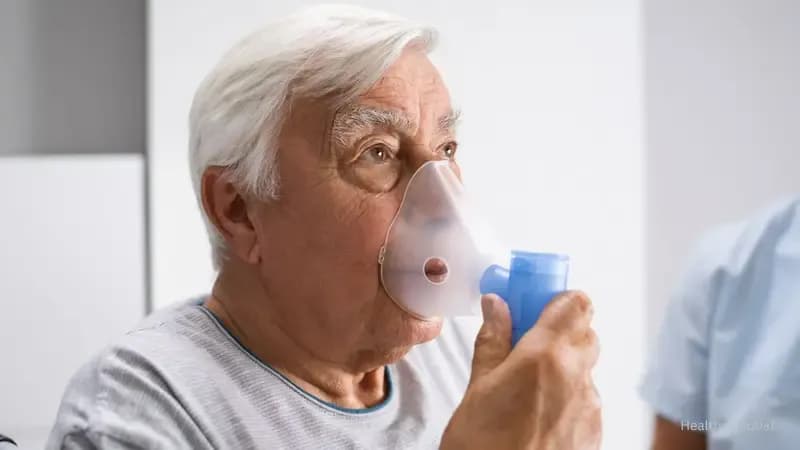
Chronic Obstructive Pulmonary Disease (COPD) is a chronic inflammatory lung disease that causes obstructed airflow from the lungs.
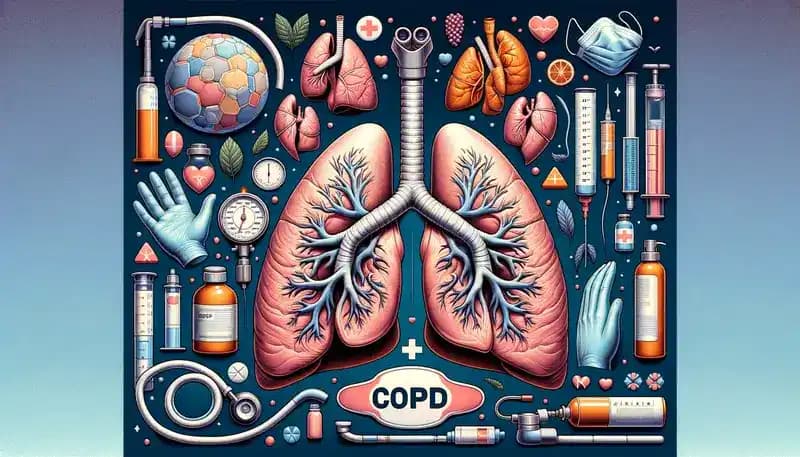
Chronic Obstructive Pulmonary Disease (COPD) is a global health challenge. This guide explores its stages, ICD-10 classification, nursing interventions, and natural treatments for effective management.
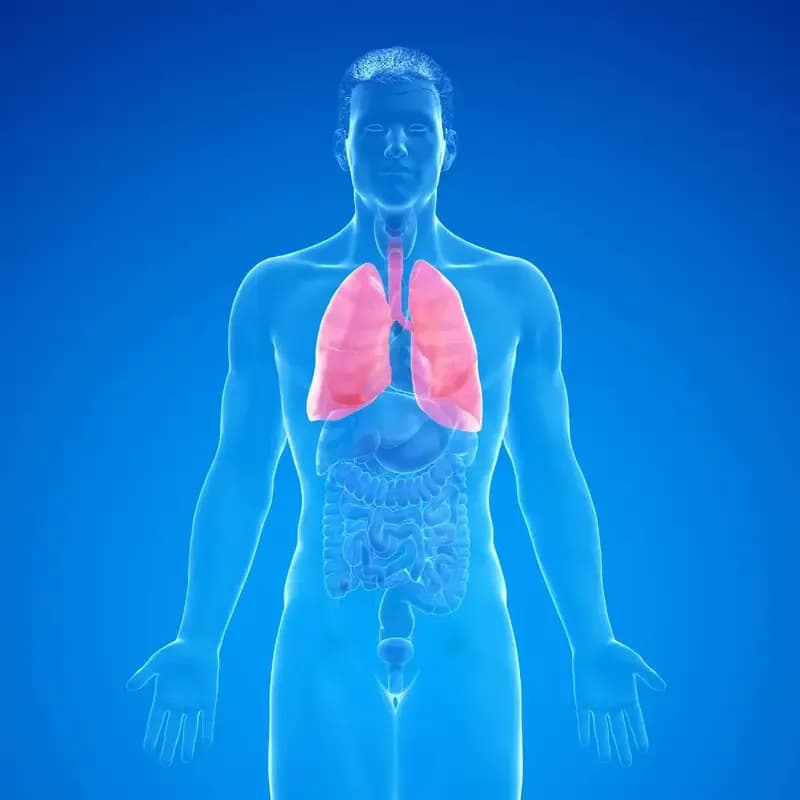
Cystic lung disease refers to a group of conditions characterized by the presence of multiple cysts or air-filled sacs in the lungs.
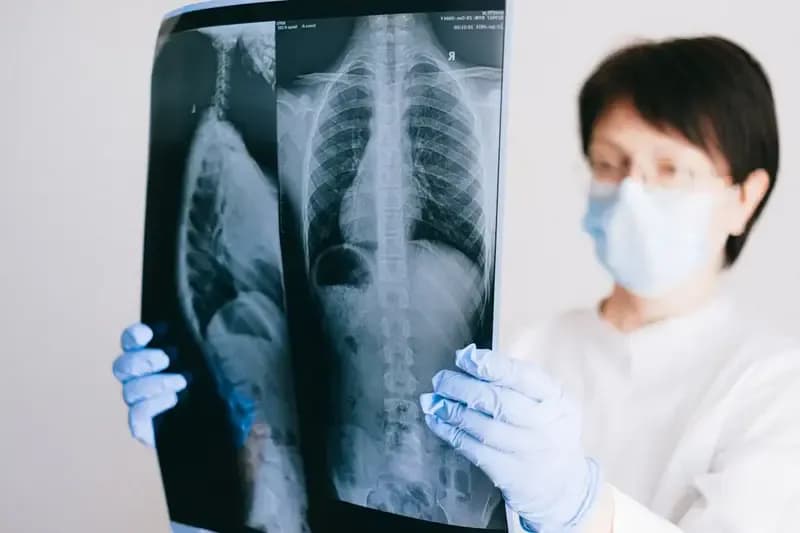
Chronic obstructive pulmonary disease (COPD) is a progressive lung disease characterized by airflow limitation and persistent respiratory symptoms.

While cancer is not traditionally classified as contagious, this blog explores indirect links, contributing factors, and preventive strategies to help readers better understand cancer risks.

Cervical cancer is a significant health concern worldwide, with a complex pathophysiology involving various genetic, environmental, and viral factors.

Ashwin Tamhankar on Instagram: "United by Unique: Fighting Cancer Together 🎗️This World Cancer Day, let’s stand united in the fight against cancer. From precaution and early diagnosis to advanced robotic treatments, every step matters.Dr. Ashwin Tamhankar, Consultant Urological Cancer & Robotic Surgeon, emphasizes that cancer care isn’t just medical it’s a collective effort. If we truly want to make this experience unique, we must come together!Early detection saves lives. Awareness creates change. Unity fuels progress.#ProstateCancer#ProstateCancerAwareness#BladderCancer#BladderCancerAwareness#KidneyCancer#KidneyCancerAwareness#RoboticSurgery#RoboticSurgeryForCancer#TesticularCancer#PenileCancer#AdrenalCancer"
Expert answers from our medical team
The evidence-backed changes are: quit tobacco in every form (India's single largest preventable cancer cause), limit alcohol, keep a healthy weight, stay physically active, eat mostly plants, get HPV vaccination for children and young adults, get hepatitis B vaccination, and screen when eligible. Everything else — antioxidant supplements, superfoods, detox regimens — has little or no evidence behind it.
Yes — unambiguously. Tobacco, areca nut, and slaked lime in gutka and paan cause oral, throat, and esophageal cancer. India has one of the highest oral cancer rates in the world because of this. There's no 'safe' amount and no filter version. Quitting reduces risk gradually, and the earlier you stop, the more it falls.
Genetic testing (BRCA1/2, Lynch syndrome) is worthwhile if you have a strong family history — multiple close relatives with the same cancer, cancer at unusually young ages, or specific patterns like ovarian or male breast cancer. Without that pattern, routine testing rarely changes management. Talk to a genetic counsellor before testing so you understand what a positive or negative result actually means for you.
No. Evidence for specific superfoods or antioxidant pills preventing cancer is weak, and some high-dose antioxidant supplements (beta-carotene in smokers, vitamin E in men) have actually raised cancer risk in trials. A varied diet with plenty of fruits, vegetables, whole grains, and legumes is protective; concentrating on any single food or supplement isn't.
Yes. HPV vaccination given in adolescence (typically ages 9-14, effective up to 26) prevents the strains that cause most cervical cancer and a large share of throat, anal, and penile cancers. India's own Cervavac vaccine is now available at affordable prices. It works best before any sexual exposure to HPV, which is why vaccinating children is the priority.
Questions from our community members
Ask our medical community. Your question may help others with similar concerns.
Verified specialists across India