
Introduction
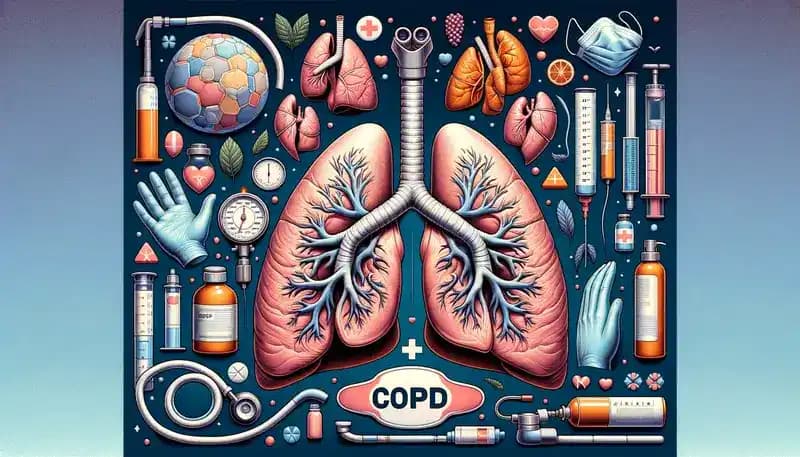
Chronic Obstructive Pulmonary Disease (COPD) is a progressive condition that impacts millions worldwide, limiting airflow and causing severe breathing difficulties. Defined under ICD-10 code J44, COPD includes emphysema and chronic bronchitis. With over **200 million cases globally**, COPD remains a leading cause of morbidity and mortality. This guide explores the stages, challenges, and care strategies to empower patients and caregivers alike.
The Everyday Challenges Faced by Residents with COPD
COPD disrupts daily activities, leading to challenges such as fatigue, breathlessness, and persistent coughing. According to the **Global Initiative for Chronic Obstructive Lung Disease (GOLD)**, approximately **50% of people with COPD** experience limitations in daily activities like walking or climbing stairs. A 2020 study revealed that patients with COPD are **40% more likely to experience depression**, further emphasizing the importance of holistic care.
What are the 4 Stages of COPD?
COPD is classified into four stages based on the severity of airflow obstruction. Understanding these stages is crucial for appropriate interventions and care planning.
Characterized by mild symptoms, such as occasional coughing or shortness of breath. **Lung function tests (FEV1)** reveal a reduction of up to **20-30% compared to normal levels**.
Mild COPD (Stage 1)
Symptoms like breathlessness become apparent, particularly during physical activity. This stage accounts for **40-50% of all diagnosed cases** globally.
Moderate COPD (Stage 2)
Marked by frequent exacerbations and significant breathlessness, reducing quality of life. Lung function often declines to **30-50% of normal capacity**.
Severe COPD (Stage 3)
Severe airflow limitation leads to life-threatening complications. Studies show a **30% five-year survival rate** for individuals at this stage.
Very Severe COPD (Stage 4)
Case Study: Improving COPD Management Through Pulmonary Rehabilitation
A 68-year-old patient with Stage 3 COPD participated in a 12-week pulmonary rehabilitation program. By incorporating tailored exercises, breathing techniques, and nutritional advice, the patient experienced a **25% improvement in lung function (measured by FEV1)** and reported enhanced quality of life. This highlights the importance of combining medical and lifestyle interventions.
Nursing Interventions for Chronic Obstructive Pulmonary Disease
Nursing care plays a pivotal role in managing COPD. Research indicates that **nursing-led interventions** can reduce hospital readmissions by **20-30%**. Key interventions include:
Teaching patients about medication adherence and breathing techniques such as diaphragmatic and pursed-lip breathing, which reduce dyspnea by **30-40%**.
Education
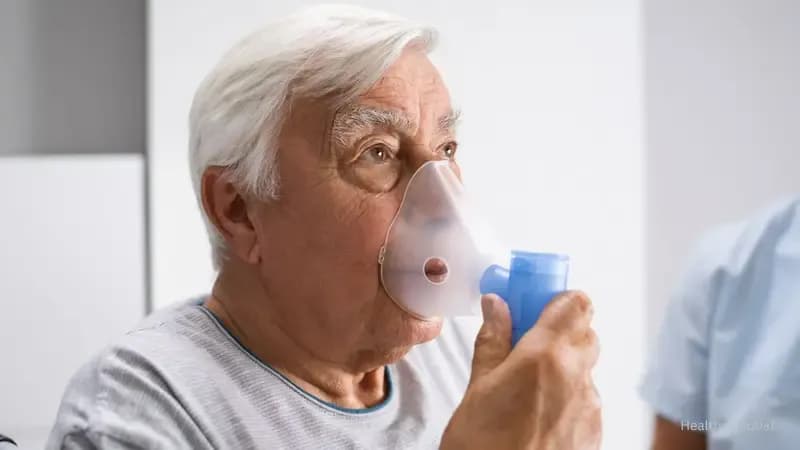
Using devices like nebulizers to deliver medications effectively and reduce exacerbation rates by **15% annually**.
Breathing Assistance
Regularly checking oxygen levels and vital signs to ensure early detection of complications. Evidence shows that monitoring improves early intervention rates by **25%**.
Monitoring
Providing emotional and psychological support to address the **40% prevalence of anxiety and depression** in COPD patients.
Support
Exploring Natural Treatments for COPD
Natural treatments complement medical therapies by focusing on lifestyle changes and holistic care. A 2019 meta-analysis revealed that **pulmonary rehabilitation programs** improve exercise capacity by **80%** and reduce breathlessness scores significantly.
Combines exercise and education to improve lung function. Patients show a **30% reduction in hospitalizations** post-rehabilitation.
Pulmonary Rehabilitation
A diet rich in omega-3 fatty acids and antioxidants reduces inflammation. Studies show that individuals with higher antioxidant intake experience **20% fewer exacerbations**.
Nutrition
Herbs like thyme and ginseng have shown promise in reducing symptoms. However, they should be used under medical supervision.
Herbal Remedies
Conclusion
Chronic Obstructive Pulmonary Disease requires a multifaceted management approach. Case studies and statistics emphasize the value of early intervention, nursing care, and complementary therapies. Awareness of the ICD-10 coding (J44) and COPD stages aids in tailored treatments and reimbursement processes. With a combination of evidence-based practices and patient-centric care, those living with COPD can achieve improved outcomes and enhanced quality of life.
Dedicated Elderly Support by Zocvi
Zocvi offers comprehensive elderly care services to ensure the dignity and safety of seniors. Our expert caregivers provide personalized support, from routine health checks to emotional well-being assistance. Contact our FREE 24 x 7 Healthcare Helpline at +91-92724-57637 for immediate support and assistance.






Comments (0)