COPD Pathophysiology: Unraveling the Complexities

COPD Pathophysiology: Unraveling the Complexities

Overview

Chronic obstructive pulmonary disease (COPD) is a progressive lung disease characterized by airflow limitation and persistent respiratory symptoms.

Introduction

Chronic obstructive pulmonary disease (COPD) is a progressive lung disease characterized by airflow limitation and persistent respiratory symptoms. Understanding the pathophysiology of COPD is crucial for effective management and treatment.

What Causes COPD?

COPD mainly develops as a result of long-term exposure to irritants like cigarette smoke, air pollution, and occupational dust and chemicals. The inhalation of these irritants leads to inflammation and damage to the airways and lung tissue. Genetic factors, such as alpha-1 antitrypsin deficiency, can also predispose individuals to COPD.

The Role of Inflammation

Inflammation plays a central role in the pathophysiology of COPD. Exposure to irritants triggers an immune response in the lungs, leading to chronic inflammation. This persistent inflammation damages the airway walls and lung tissue, resulting in the characteristic airflow limitation seen in COPD.

Airway Remodeling

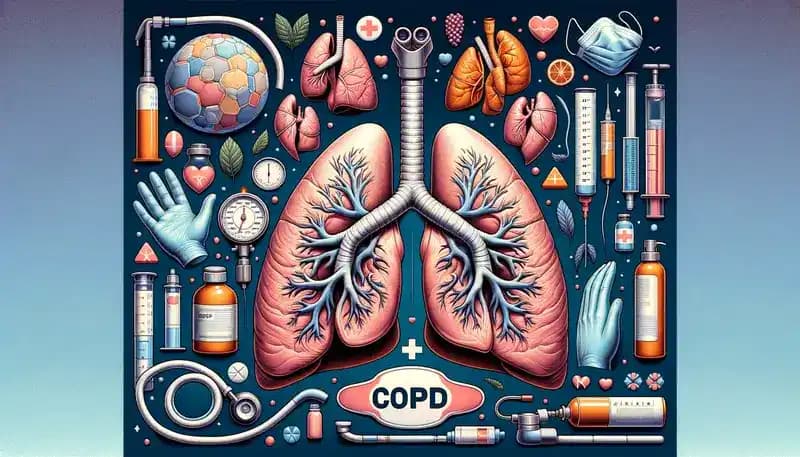
Chronic inflammation in COPD contributes to structural changes in the airways, known as airway remodeling. These changes include thickening of the airway walls, increased mucus production, and narrowing of the air passages. As a result, airflow becomes obstructed, making it difficult for individuals with COPD to breathe.

Emphysema and Alveolar Damage

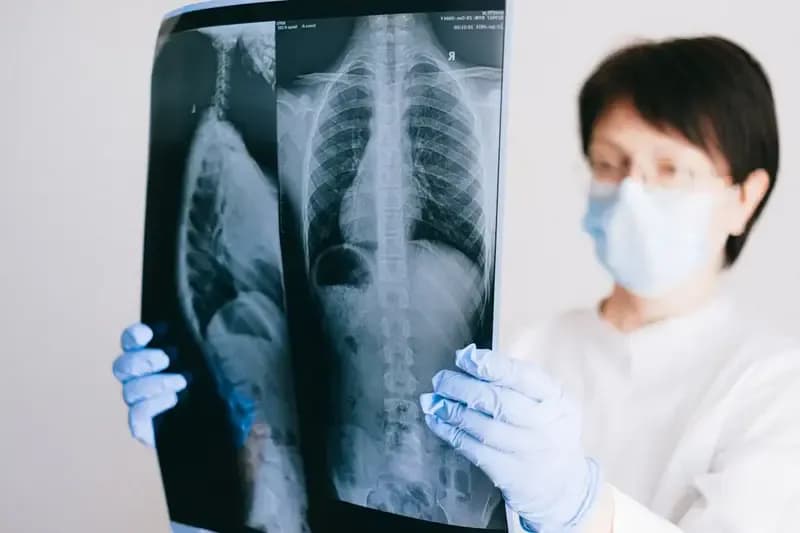
Emphysema, a type of COPD, is characterized by the destruction of the alveoli, the tiny air sacs in the lungs where oxygen exchange occurs. Prolonged exposure to irritants leads to the breakdown of the alveolar walls, reducing the surface area available for gas exchange. This results in impaired oxygen uptake and carbon dioxide removal.

Oxidative Stress and Lung Damage

Oxidative stress, caused by an imbalance between antioxidants and reactive oxygen species, contributes to lung damage in COPD. Exposure to cigarette smoke and other pollutants generates free radicals, which can damage DNA, proteins, and lipids in the lungs. This oxidative damage further exacerbates inflammation and tissue destruction.

Pulmonary Hypertension

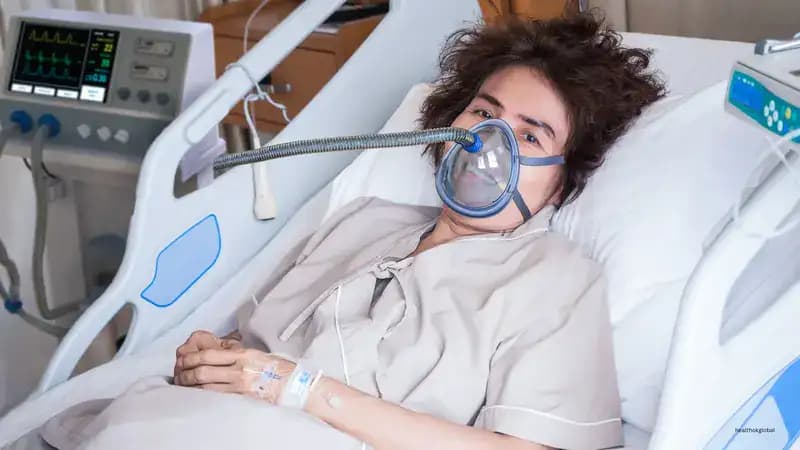
In advanced stages of COPD, individuals may develop pulmonary hypertension, a condition characterized by high blood pressure in the arteries of the lungs. Chronic hypoxia (low oxygen levels) due to impaired lung function leads to constriction of the pulmonary arteries and remodeling of the pulmonary vasculature. Pulmonary hypertension can further strain the heart and worsen symptoms of COPD.

Symptomatology and Disease Progression

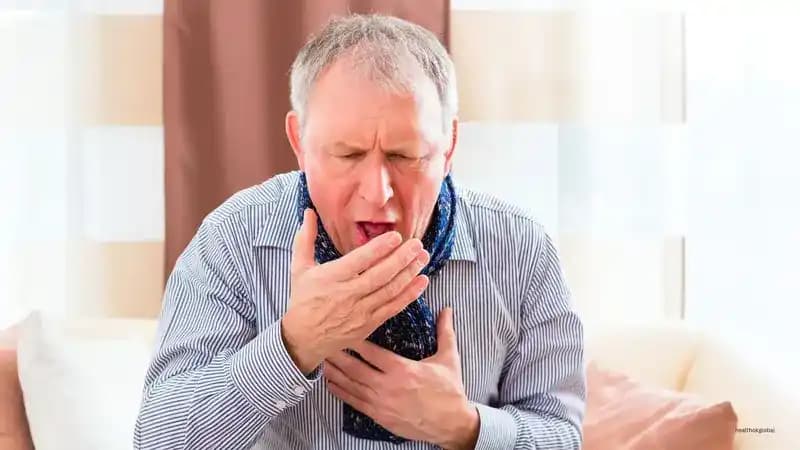
COPD presents a range of symptoms, including cough, shortness of breath, wheezing, and chest tightness. These symptoms often worsen over time and can significantly impact the quality of life. Disease progression is variable among individuals with COPD, with some experiencing rapid decline while others have a more stable course.

Treatment Strategies

Management of COPD aims to relieve symptoms, improve lung function, and reduce exacerbations. Treatment strategies may include bronchodilators to relax the airway muscles, corticosteroids to reduce inflammation, supplemental oxygen therapy, pulmonary rehabilitation, and smoking cessation interventions. In severe cases, lung transplantation may be considered. Understanding the underlying pathophysiology of COPD is essential for guiding treatment decisions and improving outcomes for individuals living with this chronic condition. By targeting inflammation, airway remodeling, and oxidative stress, healthcare providers can better manage COPD and enhance patients' quality of life.


Frequently Asked Questions

Why does COPD only get worse over time — can it ever improve?

COPD is progressive because the core damage — destruction of the alveolar walls (emphysema) and permanent thickening/scarring of the airway walls (remodeling) — is irreversible with current therapies. Once alveoli are destroyed, the gas-exchange surface area doesn't regenerate. However, the rate of progression is not fixed. Two things that directly slow progression: (1) Smoking cessation — the most powerful intervention. Stopping smoking reduces the accelerated FEV1 decline from ~80 mL/year (smoker with COPD) back toward the normal ageing rate of ~25 mL/year within 1–2 years. (2) Preventing exacerbations — each acute flare causes a measurable step-down in lung function that never fully recovers. Flu and pneumococcal vaccines, LAMA inhalers (tiotropium), and pulmonary rehabilitation all reduce exacerbation frequency. The chronic inflammation component — which is partially modifiable — responds to inhaled corticosteroids in the subset of COPD patients with an eosinophilic (allergic-type) component. So: existing damage can't be reversed, but the downward slope can be meaningfully slowed.

How exactly does cigarette smoke cause COPD — what happens in the lungs?

The sequence is: inhale irritant → immune response → chronic inflammation → structural damage → airflow obstruction. More specifically: cigarette smoke contains over 4,000 chemicals including free radicals (reactive oxygen species) that directly damage airway cell membranes and DNA. This triggers neutrophils, macrophages, and T-lymphocytes to flood the airway — creating chronic inflammation. Normally inflammation is self-limiting, but in COPD-susceptible lungs, the inflammatory signal doesn't switch off. Over years this drives: (1) Mucus gland hypertrophy — more mucus produced than can be cleared (chronic bronchitis); (2) Airway wall thickening — scar tissue narrows the lumen permanently; (3) Alveolar destruction — protease-antiprotease imbalance (smoke disrupts alpha-1-antitrypsin, which normally protects alveoli from the proteases neutrophils release) breaks down alveolar walls. The result: less surface area for gas exchange + narrower airways + more mucus = less air in, less oxygen absorbed, harder to exhale. The oxidative stress layer amplifies all of this by disabling the lung's repair mechanisms.

What is pulmonary hypertension in COPD, and why does it matter?

Pulmonary hypertension (PH) in COPD means high blood pressure specifically in the arteries that supply the lungs — not systemic high blood pressure. It develops as a direct consequence of hypoxia: when the lungs aren't exchanging oxygen adequately, blood oxygen drops. The pulmonary arteries respond by constricting (vasoconstriction) to divert blood toward better-ventilated parts of the lung. Over time, this sustained constriction causes the arterial walls to thicken and remodel — making the hypertension permanent even if oxygen improves. The clinical consequence: the right side of the heart (which pumps into the pulmonary arteries) must work against much higher resistance. This eventually leads to right heart failure (cor pulmonale) — leg swelling, raised JVP, fatigue, worsened breathlessness. PH complicates roughly 30–50% of severe COPD patients. It's an independent predictor of worse prognosis. Supplemental oxygen therapy (if SpO2 consistently <88%) is the main treatment that slows PH progression in COPD — it addresses the root hypoxia trigger.

I don't smoke but I have COPD — how is that possible?

Smoking causes 70–80% of COPD cases — but it's not the only cause. Other established pathways: (1) Indoor air pollution: burning solid biomass fuels (wood, dung, crop residue) for cooking on poorly ventilated chulhas is a major COPD risk factor in rural India — accounting for a substantial proportion of female COPD cases where smoking rates are low. This is why COPD burden in India is not dominated by male smokers alone. (2) Occupational dust and fumes: prolonged exposure to coal dust, grain dust, silica, and chemical fumes. Textile workers, miners, farmers, and welders have elevated COPD risk. (3) Alpha-1 antitrypsin (A1AT) deficiency: a genetic condition where the lungs lack the protein that protects alveolar tissue from proteases. COPD develops early (often 30s–40s) and rapidly even without smoking. A1AT testing is done by a simple blood test and is available at AIIMS and large private labs. (4) Childhood lung insults: severe respiratory infections in early life (TB, severe pneumonia, whooping cough) that permanently impair lung development. The lungs may never reach their full adult capacity, reaching the COPD threshold earlier in life. Ask your pulmonologist specifically about A1AT if you have never smoked and have significant COPD.

Questions About This Article

Have a question? Ask the author directly.

Have a question about this article?

Ask Zocvi Editorial directly. Your question may help others with similar concerns.

Q:1 answer
Q:1 answer
Q:1 answer
Q:1 answer

Comments (0)

Found this helpful? Share it!

LinkedInWhatsApp

More from Zocvi Editorial

Other Articles You May Like

AT

Uro-Oncologist • 13 yrs • Pune

47 views

🚭 "50% of bladder cancer patients are smokers.

🚭 "50% of bladder cancer patients are smokers.

Ashwin Tamhankar on Instagram: "🚭 "50% of bladder cancer patients are smokers."This World No Tobacco Day, Dr. Ashwin Tamhankar, Consultant Urological Cancer &amp; Robotic Surgeon, highlights the lesser-known but deadly connection between smoking and urological cancers — including kidney, ureter, and bladder cancer.❗Smoking doesn't just affect your lungs — it impacts healing, increases cardiac risk, and silently damages your urinary system. The good news? Quitting today can drastically reduce your cancer risk in 10 years.👉 Take the first step. Quit smoking. Spread the word. Save lives.#WorldNoTobaccoDay #QuitSmoking #CancerAwareness #UrologyCare #HealthMatters #StopSmoking #TobaccoFreeLife #DrAshwinTamhankar #RoboticSurgery #CancerPrevention"

Related Topics

Find a Doctor for COPD & Chronic Lung Disease

Verified specialists across India

Dr. Krishna Singh

Pulmonologist & Chest Physician

16 yrs

Bhopal

Siddhanta Red Cross Superspeciality Hospital
Nayapura, Bhopal, Madhya Pradesh, 462030
₹500 consultation

Dr. Sameer Lote

Pulmonologist & Chest Physician

10 yrs

Nagpur

Panacea Clinic
Dhantoli, Nagpur, Maharashtra, 440012
₹500 consultation

Dr. Roshan Singh Rathore

Pulmonologist & Chest Physician

15 yrs

Raipur

Rathore Chest Clinic
Devendra Nagar, Raipur, Chhattisgarh, 492001
₹500 consultation

Dr. Ravi Shekhar Jha

Pulmonologist & Chest Physician

16 yrs

Faridabad

Fortis Escorts Hospital, Faridabad
AC Nagar, Faridabad, Haryana, 121001
₹700 consultation