
Introduction
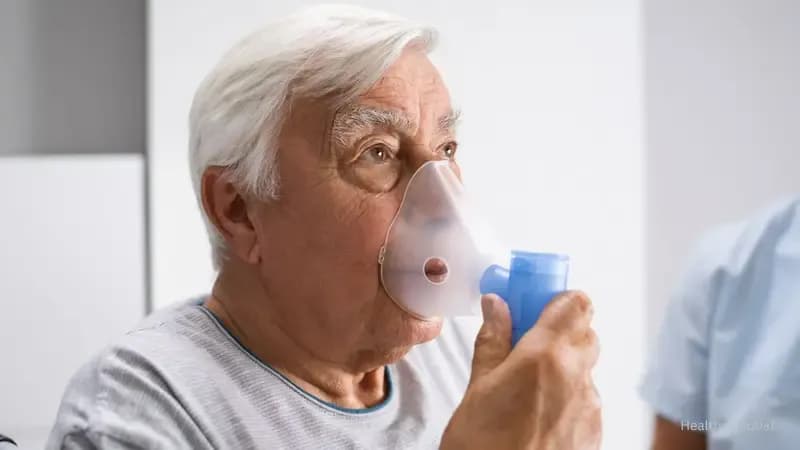
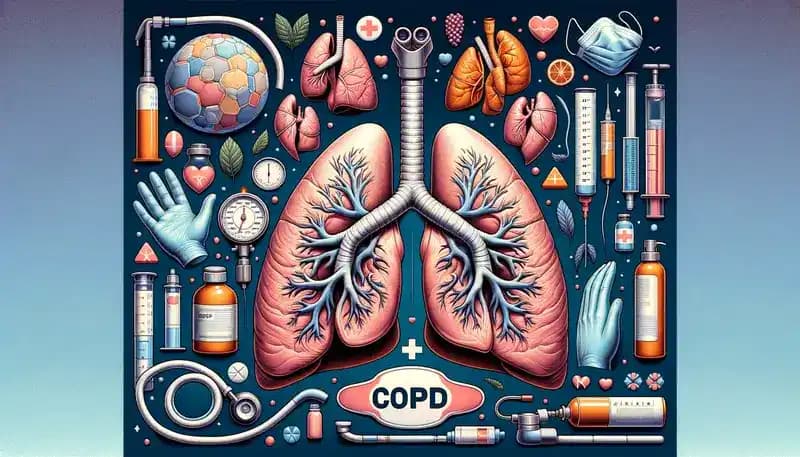
Chronic Obstructive Pulmonary Disease (COPD) is a chronic inflammatory lung disease that causes obstructed airflow from the lungs. It is a progressive condition characterized by increasing breathlessness. COPD is primarily caused by long-term exposure to irritating gases or particulate matter, most often from cigarette smoke. This comprehensive nursing care plan for COPD includes understanding the symptoms, effective treatment options, and long-term management strategies to improve patient outcomes and quality of life.
Understanding COPD
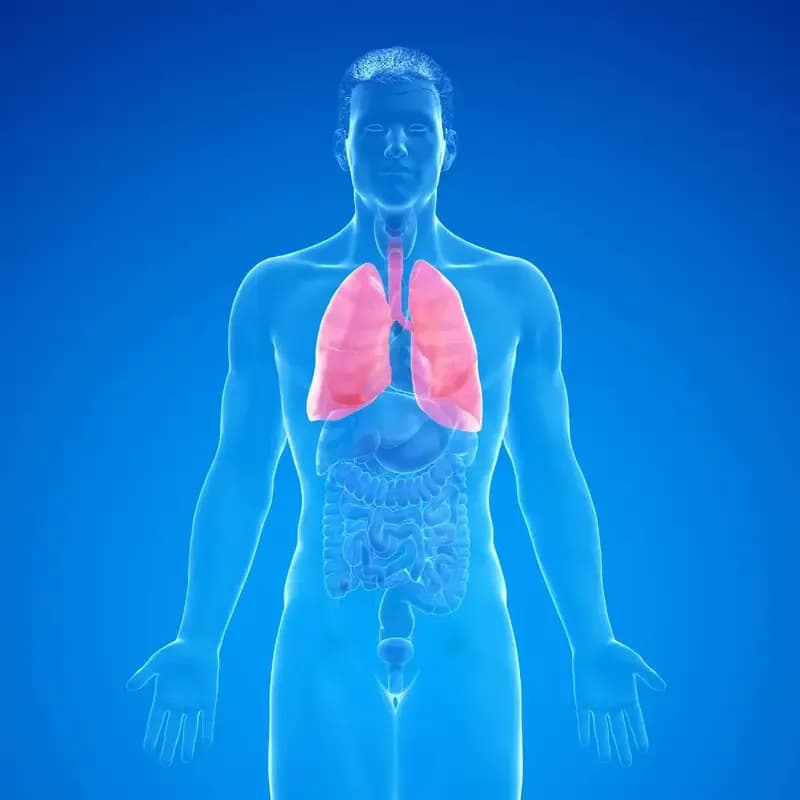
COPD includes two main conditions: emphysema and chronic bronchitis. Emphysema involves damage to the alveoli (air sacs) in the lungs, leading to difficulty in breathing. Chronic bronchitis is characterized by inflammation and narrowing of the bronchial tubes, resulting in chronic cough and mucus production.
Symptoms of COPD
Recognizing the symptoms of COPD is crucial for early diagnosis and management. Common symptoms include:
A persistent cough that produces mucus (sputum) can be a sign of chronic bronchitis, a component of COPD.
Chronic Cough
Shortness of breath, especially during physical activities, is a hallmark symptom of COPD.
Shortness of Breath
Wheezing, a high-pitched whistling sound during breathing, is common in COPD patients.
Wheezing
Patients may experience a feeling of tightness in the chest, making breathing difficult.
Chest Tightness
COPD patients are more susceptible to respiratory infections such as colds, flu, and pneumonia.
Frequent Respiratory Infections
Chronic fatigue is a common symptom due to the increased effort required to breathe.
Fatigue
Diagnosis of COPD
Accurate diagnosis is essential for developing an effective nursing care plan for COPD. This involves a comprehensive evaluation by a healthcare provider.
1. Medical History and Symptom Review
Reviewing the patient's medical history, including smoking history, exposure to pollutants, and family history of respiratory diseases, helps identify risk factors.
Medical History
A detailed discussion of the patient's symptoms, including their onset, duration, and impact on daily life, is crucial for accurate diagnosis.
Symptom Review
2. Physical Examination
A thorough physical exam helps identify signs of COPD, such as wheezing, decreased breath sounds, and use of accessory muscles for breathing.
Physical Examination
Monitoring vital signs, including respiratory rate, oxygen saturation, and heart rate, helps assess the patient's overall condition.
Vital Signs
3. Pulmonary Function Tests
Spirometry is a common test used to diagnose COPD. It measures the amount of air a person can inhale and exhale, and how quickly they can exhale. A reduced forced expiratory volume in one second (FEV1) and a reduced ratio of FEV1 to forced vital capacity (FVC) are indicative of COPD.
Spirometry
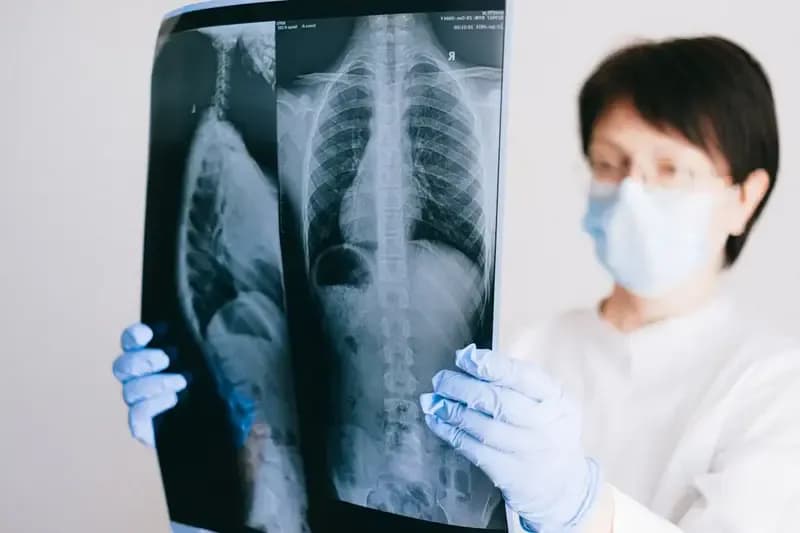
Additional tests, such as chest X-rays, CT scans, and arterial blood gas analysis, may be conducted to further assess lung function and rule out other conditions.
Other Tests
Treatment of COPD
The treatment of COPD involves a combination of medications, lifestyle changes, and supportive care. The goal is to relieve symptoms, improve quality of life, and prevent disease progression.
1. Medications
Bronchodilators are medications that help relax the muscles around the airways, making breathing easier. They can be short-acting (used for quick relief) or long-acting (used for ongoing management).
Bronchodilators
Inhaled corticosteroids help reduce inflammation in the airways and are often used in combination with bronchodilators for patients with frequent exacerbations.
Inhaled Corticosteroids
These medications help decrease inflammation and relax the airways. They are usually prescribed for patients with severe COPD and chronic bronchitis.
Phosphodiesterase-4 Inhibitors
Antibiotics may be prescribed to treat or prevent respiratory infections, which can exacerbate COPD symptoms.
Antibiotics
2. Oxygen Therapy
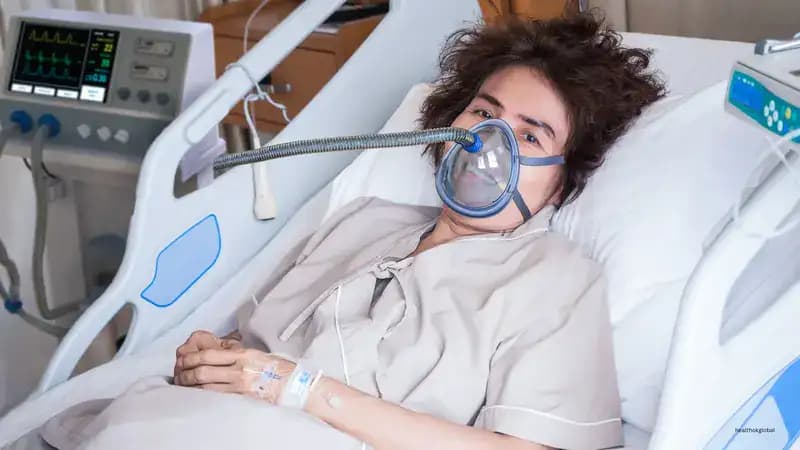
For patients with severe COPD and low blood oxygen levels, long-term oxygen therapy can help improve quality of life and prolong survival. Oxygen therapy helps ensure that the body receives enough oxygen to function properly.
3. Pulmonary Rehabilitation
Pulmonary rehabilitation is a comprehensive program that includes exercise training, nutrition advice, and education on managing COPD. It helps improve the patient's physical and emotional well-being, reduces symptoms, and increases the ability to perform daily activities.
4. Lifestyle Changes
Quitting smoking is the most important step in slowing the progression of COPD. Nurses can provide support and resources to help patients quit smoking.
Smoking Cessation
A balanced diet rich in fruits, vegetables, lean proteins, and whole grains supports overall health and helps manage COPD symptoms. Avoiding foods that can cause bloating or gas is also important.
Healthy Diet
Engaging in regular physical activity helps maintain muscle strength and endurance, which can improve breathing and overall quality of life.
Regular Exercise
Staying hydrated helps thin mucus, making it easier to clear from the airways.
Hydration
Staying up-to-date with vaccinations, such as the flu and pneumonia vaccines, helps prevent respiratory infections that can worsen COPD symptoms.
Vaccinations
Nursing Care Strategies for COPD
Nurses play a crucial role in the management and education of patients with COPD. Effective nursing care strategies include patient education, care coordination, and ongoing support.
1. Patient Education
Educating patients about the nature of COPD, its symptoms, and the importance of adhering to their treatment plan is crucial for effective self-management.
Understanding COPD
Emphasizing the importance of taking prescribed medications as directed and educating patients about the proper use of inhalers and other devices.
Medication Adherence
Teaching patients breathing techniques, such as pursed-lip breathing and diaphragmatic breathing, can help manage shortness of breath and improve ventilation.
Breathing Techniques
Identifying and avoiding environmental triggers, such as air pollution, dust, and strong odors, helps reduce exacerbations.
Avoiding Triggers
2. Care Coordination
Collaborating with other healthcare professionals, such as pulmonologists, respiratory therapists, dietitians, and social workers, to provide comprehensive care for patients with COPD.
Multidisciplinary Approach
Scheduling regular follow-up appointments to monitor the patient's progress, adjust the treatment plan, and address any concerns or complications.
Regular Follow-Ups
3. Ongoing Support
Encouraging participation in COPD support groups provides emotional support and the opportunity to share experiences with others facing similar challenges.
Support Groups
Providing access to mental health resources, such as counseling and stress management techniques, helps patients cope with the emotional aspects of living with COPD.
Mental Health Support
When to Seek Medical Help
It is important for COPD patients to seek medical help if they experience worsening symptoms or signs of a respiratory infection. Early intervention can prevent complications and improve outcomes. Patients should contact their healthcare provider if they notice increased shortness of breath, changes in mucus color or amount, fever, or other concerning symptoms.
Conclusion
A comprehensive nursing care plan for COPD involves accurate diagnosis, effective treatment, and ongoing management. By addressing the underlying causes and providing targeted interventions, patients with COPD can achieve significant improvements in their health and quality of life. Regular monitoring, lifestyle modifications, and patient education are essential components of a successful COPD management strategy. Nurses play a crucial role in supporting patients throughout their COPD journey, ensuring they receive the care and guidance needed to manage their condition effectively.
About Zocvi
Zocvi connects patients with verified doctors and evidence-based health guidance. Visit zocvi.com or reach us on WhatsApp at +91-92724-57637.






Comments (0)