Understanding Cystic Lung Disease: Causes, Symptoms, and Treatment
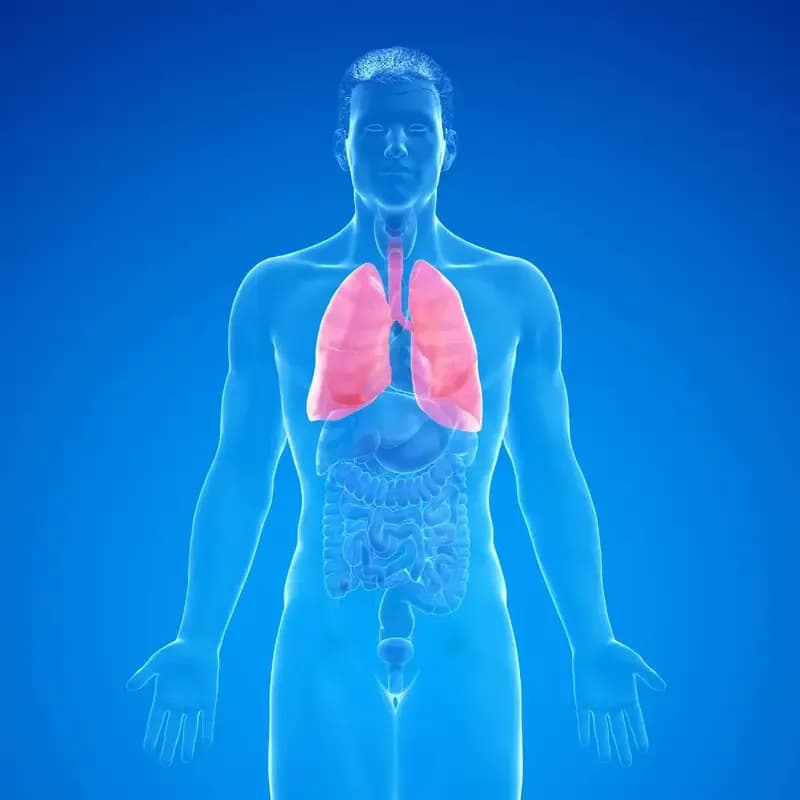
Cystic lung disease refers to a group of conditions characterized by the presence of multiple cysts or air-filled sacs in the lungs.

Lung Health & Breathing covers general respiratory wellness — breathing exercises, lung capacity, air quality protection (masks, indoor air, plants that genuinely help), and the everyday choices that protect against pollution-driven decline. Our doctors and editorial team explain what the evidence actually supports and what is wellness-industry overreach.
Last reviewed: 11 August 2026
Cystic lung disease refers to a group of conditions characterized by the presence of multiple cysts or air-filled sacs in the lungs.

Pneumonia is a respiratory condition characterized by the inflammation of the air sacs in one or both lungs, which can fill with fluid or pus.
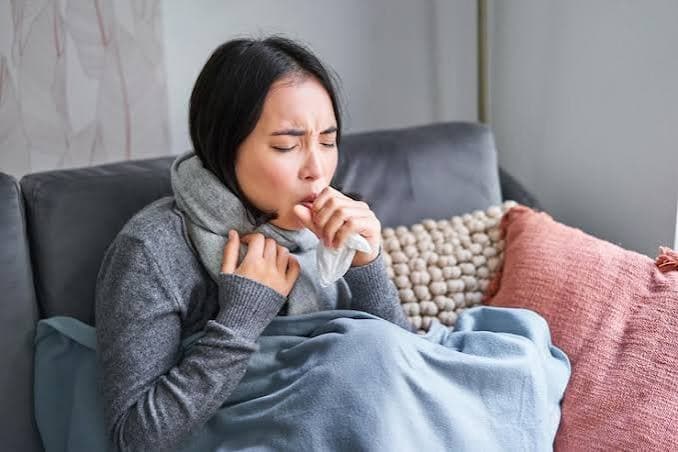
A cough that lingers for weeks can be frustrating. Learn the common causes, recognize warning signs, and understand when it's time to consult a healthcare professional.

Patients on ventilators require meticulous and compassionate care to ensure their well-being and recovery.
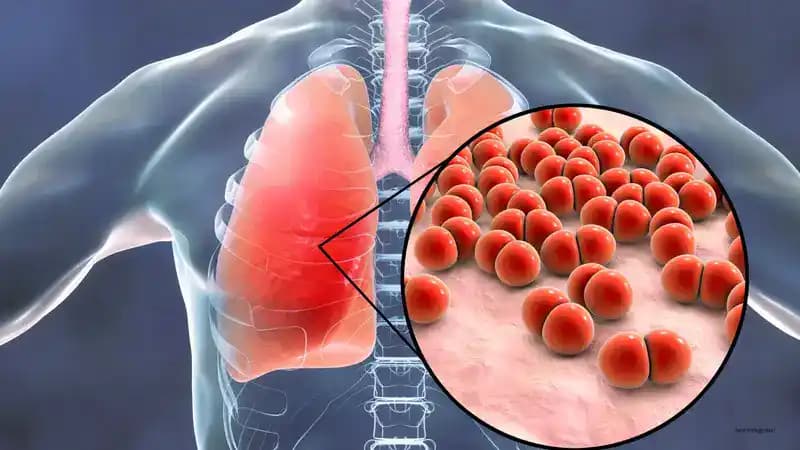
Developing an effective nursing care plan for patients with pneumonia involves thorough assessment, diagnosis, and intervention. This guide provides essential information on creating and implementing a nursing care plan for pneumonia.
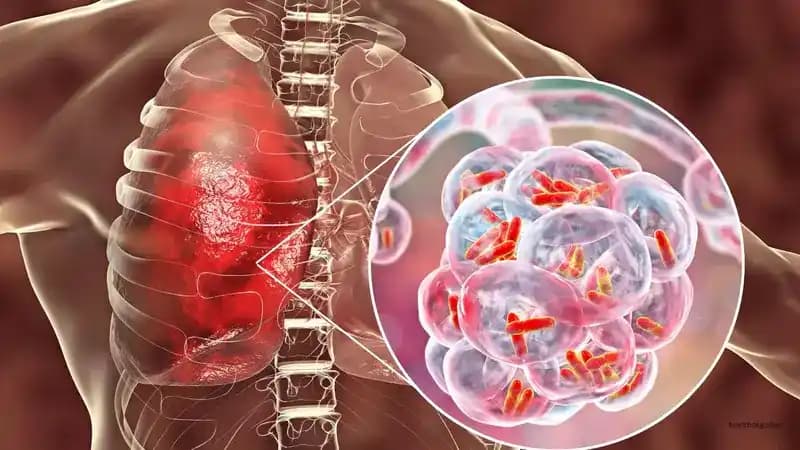
A nursing diagnosis for pneumonia involves a comprehensive assessment of the patient's condition and the development of a tailored care plan.
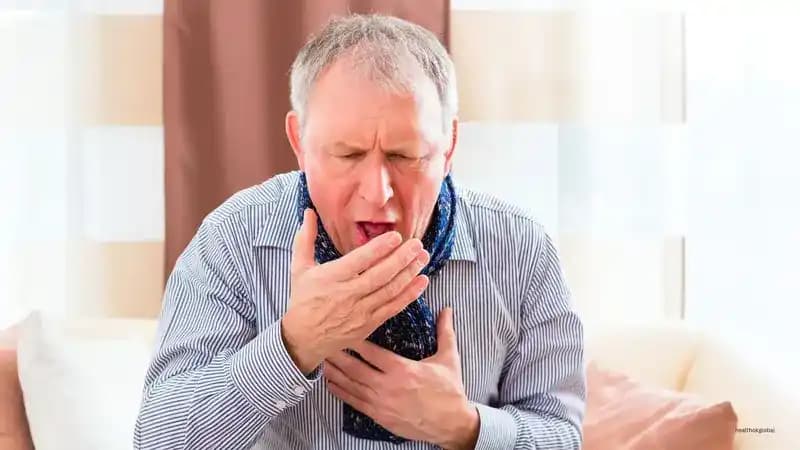
Developing an effective nursing care plan for patients with a cough involves thorough assessment, diagnosis, and intervention. This guide provides essential information on creating and implementing a nursing care plan for cough.
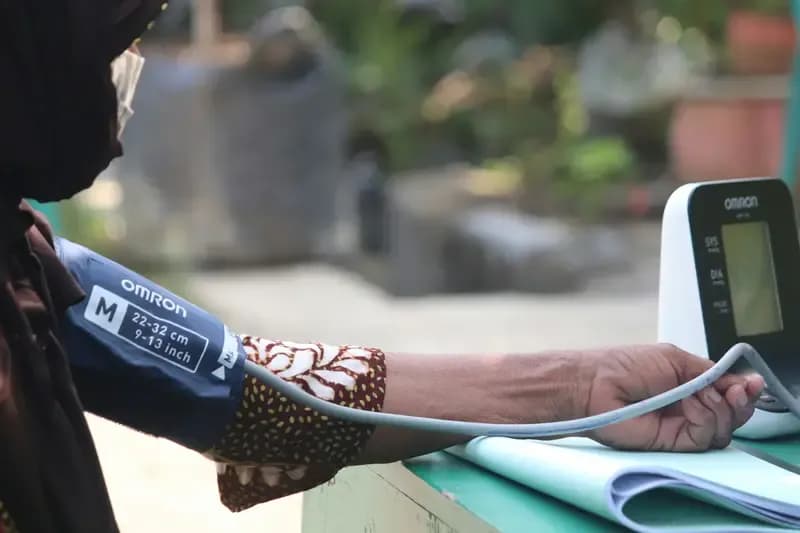
Pulmonary hypertension is a serious condition characterized by high blood pressure in the pulmonary arteries. Learn about its types, causes, symptoms, treatments, and real-life cases.
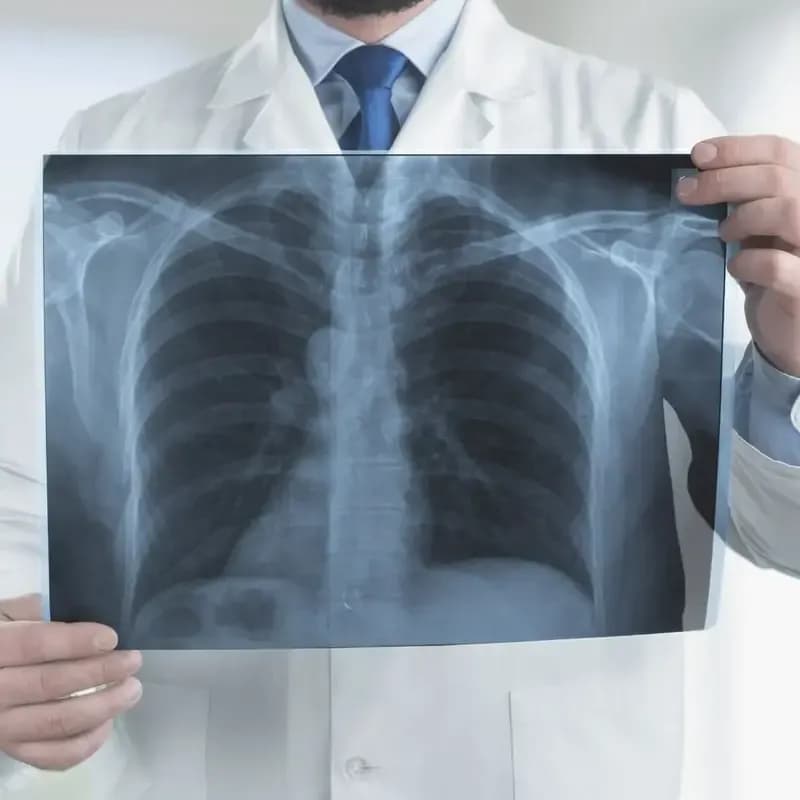
Cystic fibrosis (CF) is a severe autosomal recessive genetic condition impacting the respiratory and digestive systems, caused by mutations in the CFTR gene.
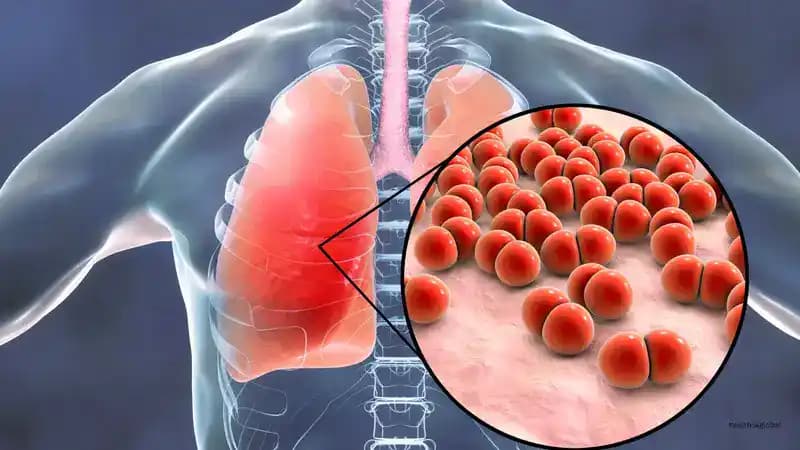
The pathogenesis of pneumonia involves the invasion of lung tissue by infectious agents, leading to inflammation and impaired gas exchange.

Maintaining adequate blood oxygen levels is crucial for overall health and well-being. Learn effective strategies to boost your blood oxygen levels naturally.
Expert answers from our medical team
Persistent cough (over 3 weeks), coughing up blood, breathlessness with activities you used to do easily, wheezing, chronic mucus production, recurrent chest infections, unexplained weight loss, fatigue, and chest pain. Any of these deserve medical evaluation. In India, persistent cough always warrants ruling out tuberculosis.
Aerobic exercise (walking, jogging, cycling, swimming) improves overall cardiopulmonary fitness. Breathing exercises (pranayama, diaphragmatic breathing) improve efficiency and are especially helpful for people with COPD or asthma. Playing wind instruments strengthens respiratory muscles. Stopping smoking is the biggest lung-health intervention. Lung capacity itself doesn't grow beyond genetic potential, but function within your capacity improves.
Not routinely for healthy asymptomatic adults. Useful if you have persistent respiratory symptoms, occupational exposure, long smoking history, or being evaluated for asthma or COPD. Spirometry is quick, painless, and provides genuine diagnostic information. A screening spirometry every few years can be reasonable for higher-risk individuals.
Fine particulate matter (PM2.5) is small enough to penetrate deep into lung tissue and even enter the bloodstream. Long-term exposure causes airway inflammation, reduced lung development in children, worse asthma control, higher COPD and lung cancer rates, and increased cardiovascular disease. Children and outdoor workers are most exposed. Effects accumulate over years, so annual peaks in polluted cities matter.
Good HEPA-filter purifiers with adequate CADR (clean air delivery rate) for the room size do reduce indoor PM2.5. Measurable benefit for children, asthmatics, and elderly in high-pollution cities. Not a substitute for outdoor measures (masks, avoiding outdoor exercise on bad AQI days) or systemic pollution reduction. A cheap small unit in a large room does little; matching capacity to room size matters.
Questions from our community members
Ask our medical community. Your question may help others with similar concerns.
Verified specialists across India