Curated by ZOCVI Medical Team

Eye & Vision Care

Overview

Eye & Vision Care covers refractive errors, cataracts, glaucoma, diabetic retinopathy, and the eye-strain epidemic from screen time. Our ophthalmologists and editorial team explain how often to get checked at each age, what symptoms warrant urgent evaluation, and how to protect vision through decades of digital work.

Last reviewed: 11 August 2026

Expert Guides

Frequently Asked Questions

Expert answers from our medical team

How often should I get my eyes checked?

For adults with no problems: every 2-3 years. With glasses or contacts: yearly. With diabetes: yearly (retinopathy screening is crucial). With glaucoma family history: more frequently, from earlier age. Over 60: yearly. Sudden vision changes, flashes, floaters, or vision loss are emergencies — same-day evaluation. Regular checks catch treatable conditions before they cause permanent damage.

Are digital screens ruining my eyes?

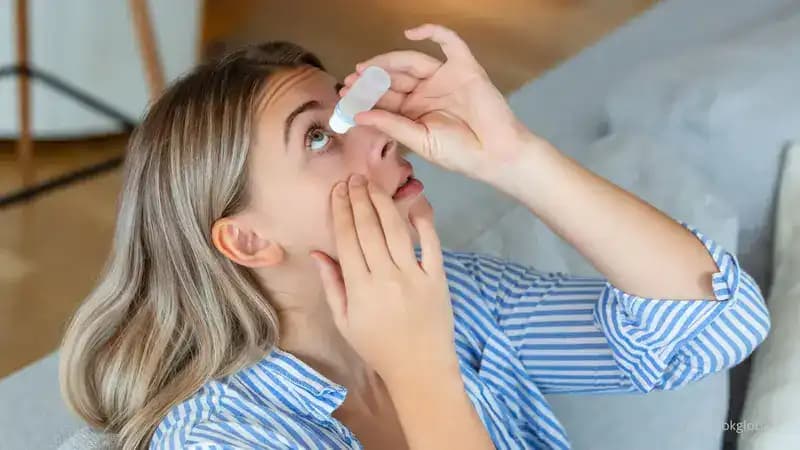
They don't cause permanent damage but do cause 'computer vision syndrome' — eye strain, dryness, headaches, blurred vision. The 20-20-20 rule helps: every 20 minutes, look at something 20 feet away for 20 seconds. Reduce screen brightness in dark environments, blink consciously (screen users blink less), position the screen slightly below eye level. Not a permanent problem but a real quality-of-life issue.

Do I need to worry about cataracts?

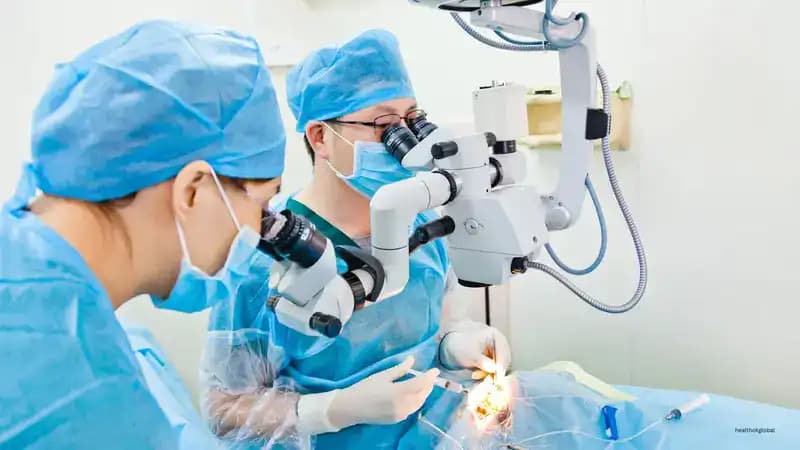
Cataracts (clouding of the eye lens) are age-related and common by 60-70. Symptoms: blurring, glare, poor night vision, dulled colours. Modern cataract surgery is one of the safest, most effective operations — day procedure, minimal recovery, dramatic vision improvement. Don't delay surgery when it's affecting daily life. Diabetes accelerates cataracts, so control matters.

What is glaucoma and how do I know if I have it?

Glaucoma is optic nerve damage, usually from raised eye pressure. It's often silent until significant vision loss has occurred — hence the 'silent thief of sight' name. Family history, being over 40, and diabetes raise risk. Regular eye pressure checks and — for higher-risk individuals — visual field testing catch it early. Once vision is lost to glaucoma, it doesn't return; prevention through screening is the strategy.

Are children's screen habits harming their eyes?

Increasing evidence that excessive close-work (screens, books) plus reduced outdoor time contribute to rising childhood myopia (short-sightedness) rates in urban India. Recommendations: at least 2 hours of outdoor time daily (natural light matters), regular breaks from close work, checking children's vision from age 3-4 and yearly through school. Early correction of vision problems prevents school learning issues that get mistaken for other problems.

Community Questions

Questions from our community members

Have a question about this topic?

Ask our medical community. Your question may help others with similar concerns.

Q:1 answer▶
Q:1 answer▶
Q:1 answer▶
Q:1 answer▶
Q:1 answer▶

Find a Doctor for Eye & Vision Care

Specialists across India

Dr. Shibal Bhartiya

Book Online

Ophthalmologist

26 yrs

Gurgaon

Room Number 15, First Floor, Marengo Asia Hospital
Golf Course Ext Rd, Shushant Lok 2, Sector 56,, Gurgaon, Haryana, 122011
Fee on request

Dr. Vikas Mittal

Ophthalmologist

20 yrs

Ambala

LJ Eye Institute
Model Town, Ambala, Haryana, 134003
₹200 consultation

Dr. Lakshmi Kuniyal

Ophthalmologist

13 yrs

Mathura

Aarogyam Health Clinic
Goverdhan, Mathura, Uttar Pradesh, 281004
₹300 consultation

Dr. Sanjay Gupta

Ophthalmologist

17 yrs

Kota

Agrawal Eye And Skin Hospital
VIP Colony, Kota, Rajasthan, 324005
₹300 consultation