Cardiovascular Disease Symptoms: What to Watch For
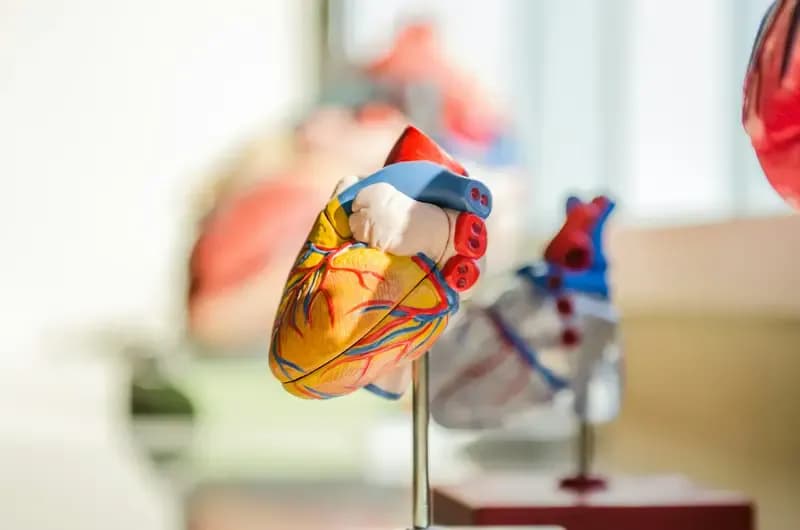
Cardiovascular diseases (CVDs) are a group of disorders that affect the heart and blood vessels, leading to various complications if left untreated.

Heart Health Screening covers blood pressure, lipid profiles, ECG, and the more advanced tests (stress test, CT calcium scoring, echo) — when each is genuinely indicated versus when it is over-ordered. Our cardiologists and editorial team explain who benefits at each age, how to interpret results, and what to do next.
Last reviewed: 10 August 2026
Cardiovascular diseases (CVDs) are a group of disorders that affect the heart and blood vessels, leading to various complications if left untreated.

Hypertension, also known as high blood pressure, impacts millions worldwide, leading to severe health complications like hypertensive heart disease. Learn to identify and manage symptoms such as hypertension headaches and labile hypertension effectively.

Keeping your heart healthy is essential for a long, vibrant life. Nirmal Ayurved is here to help you with practical tips and expert guidance from Dr. Prashant Jain (BAMS, MD, PhD). Top Tips for a Healthy Heart:Lose Weight if Overweight: Shedding those extra pounds can significantly improve your heart health. Eat a Heart-Healthy Diet: Incorporate fruits, vegetables, whole grains, and lean proteins into your meals. Don't Use Tobacco: Quitting smoking is one of the best things you can do for your heart. Avoid Alcohol: Limit or eliminate alcohol consumption to reduce strain on your heart. Increase Physical Activity: Aim for at least 2.5 hours of exercise per week. Even brisk walking can make a big difference! Regular Health Check-ups: Monitor your blood pressure and blood sugar levels regularly to stay ahead of potential issues. Consult with Dr. Prashant Jain for personalized advice and holistic care! Contact Us:+91 7411016510+91 7703992118 Email:nirmalayurved01@gmail.comayufertilitydelhi@gmail.comTake charge of your heart health today with Nirmal Ayurved!

Celebrate World Heart Day with Dr. Prashant Jain’s Arjun Ki Chai! ❤️🫖On this special occasion of World Heart Day, let’s focus on nurturing our heart health with the natural goodness of Arjun Ki Chall Ki Chai. Dr. Prashant Jain shares this fantastic recipe, packed with benefits to support your heart.🌿 What is Arjun Ki Chall?Derived from the bark of the Terminalia arjuna tree, Arjun has been revered in Ayurvedic medicine for centuries. It’s known to strengthen the heart muscles, improve circulation, and help manage blood pressure.Benefits of Arjun Ki Chall Ki Chai:✅Heart Health: Supports cardiovascular function and reduces cholesterol levels.✅Antioxidant Properties: Fights free radicals, promoting overall health.✅Blood Pressure Regulation: Helps maintain optimal blood pressure levels.✅Digestive Aid: Improves digestion and detoxifies the body.Recipe for Arjun Ki Chall Ki Chai:Ingredients:a. 1-2 tsp Arjun ki Chall powderb. 2 cups waterc. 1-2 tsp honey (optional)d. Lemon slice (optional)Instructions:✅Boil the water in a saucepan.✅Add the Arjun ki Chall powder and let it simmer for 5-7 minutes.✅Strain the tea into a cup.✅Add honey and a slice of lemon if desired for taste.✅Sip and enjoy the benefits!Why Choose Ayurveda?Integrating Ayurvedic practices into your daily routine not only promotes heart health but also enhances your overall well-being. Let’s make a conscious effort this World Heart Day to prioritize our heart health naturally!For more health tips, connect with us: 📞 Call: +91 74110 16510🌐 Visit: www.nirmalayurved.co.in
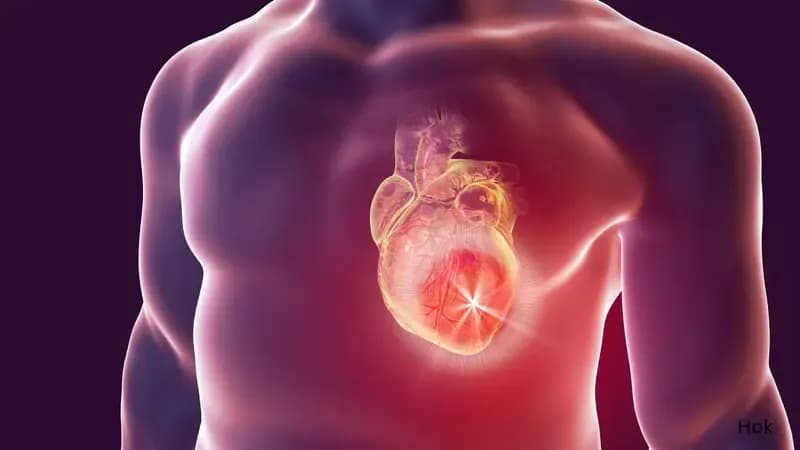
Myocardial infarction (MI), commonly known as a heart attack, is a medical emergency where blood flow to the heart is blocked, causing tissue damage.

Discover the hereditary factors of hypertension, its symptoms, connection to heart disease, and natural remedies for managing high blood pressure effectively.
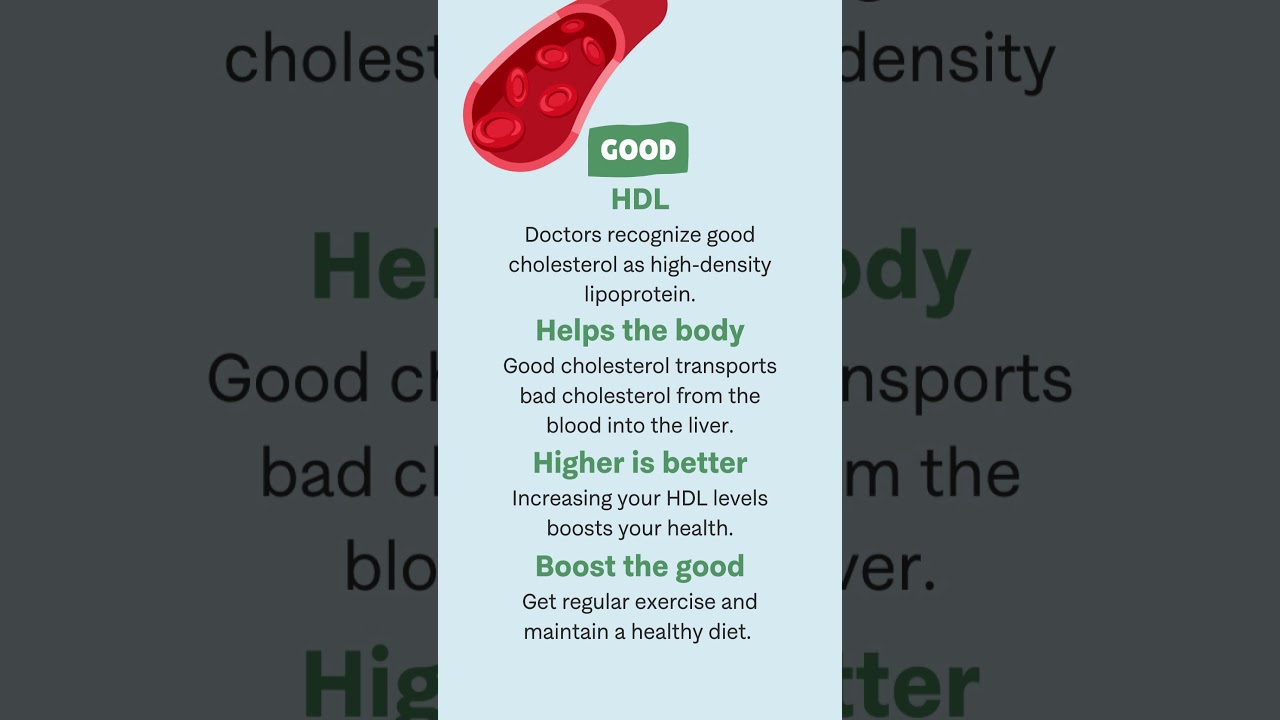
Good vs. Bad Cholesterol🩺 HDL (Good Cholesterol) helps remove excess cholesterol from the bloodstream and supports heart health. ⚠️ LDL (Bad Cholesterol) can build up in the arteries, increasing the risk of heart disease.🚶♂️ Regular exercise and a balanced diet can help increase HDL levels. 🥗 Limiting fatty and processed foods can help control LDL levels.👨⚕️ Consult Dr. Prashant Jain for personalized guidance on maintaining healthy cholesterol levels. 📞 Call: +91 7411016510 / +91 7703992118
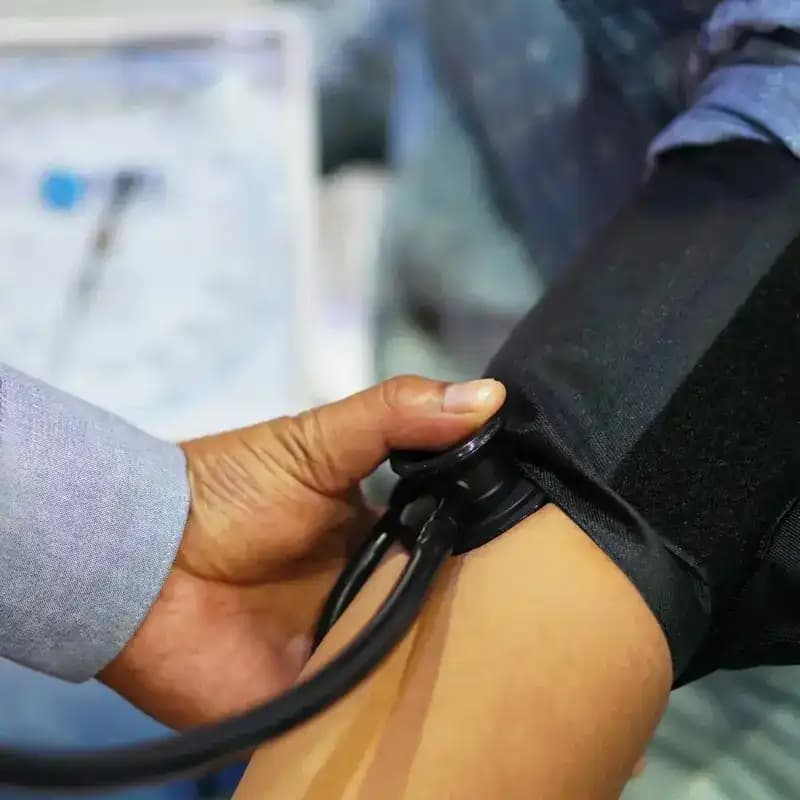
Low blood pressure (BP) with a high pulse rate can indicate serious health concerns. Learn about its causes, symptoms, and how to manage it effectively.
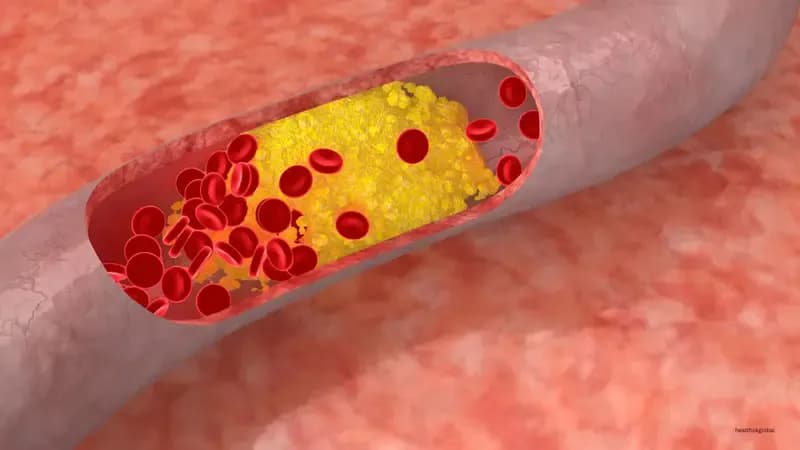
Explore the benefits and uses of homeopathic medicine for managing cholesterol levels. This guide provides essential information on effective homeopathic remedies for cholesterol management.

6 effective methods for preventing hypertension: control your stress, maintain a healthy weight, consume a well-balanced diet, reduce salt intake, engage in regular exercise, and keep track of your blood pressure. By incorporating these habits into your daily routine, you can significantly lower your risk of hypertension and promote overall well-being.#hypertension #diabetes #health #healthylifestyle #bloodpressure #highbloodpressure
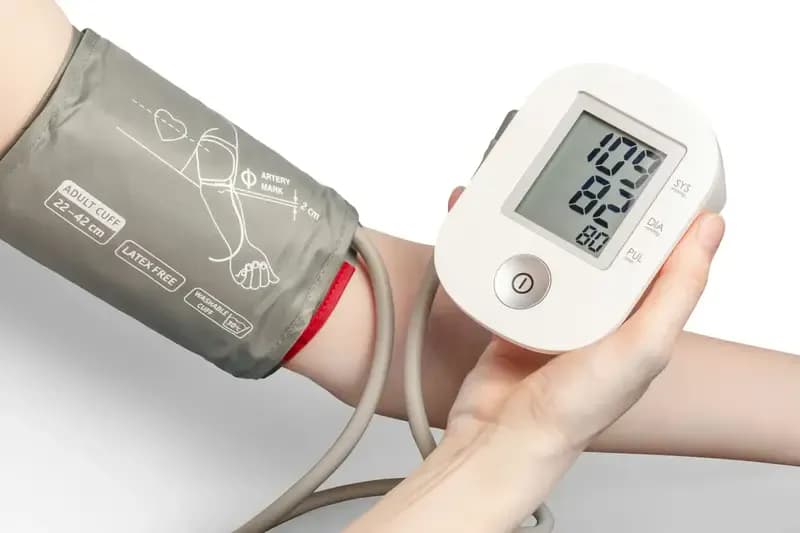
Learn how to effectively manage hypertension and pulmonary hypertension with self-care strategies, lifestyle changes, and medication guidance.
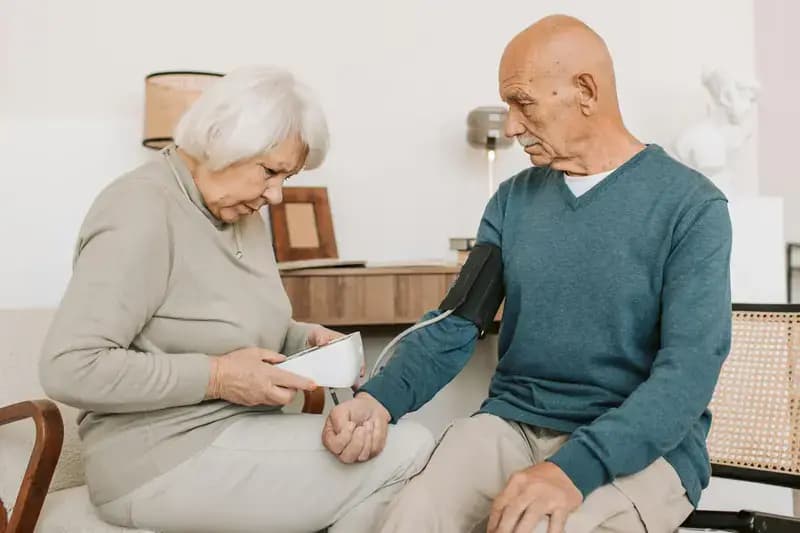
Blood pressure, a critical health indicator, fluctuates throughout the day due to various factors.
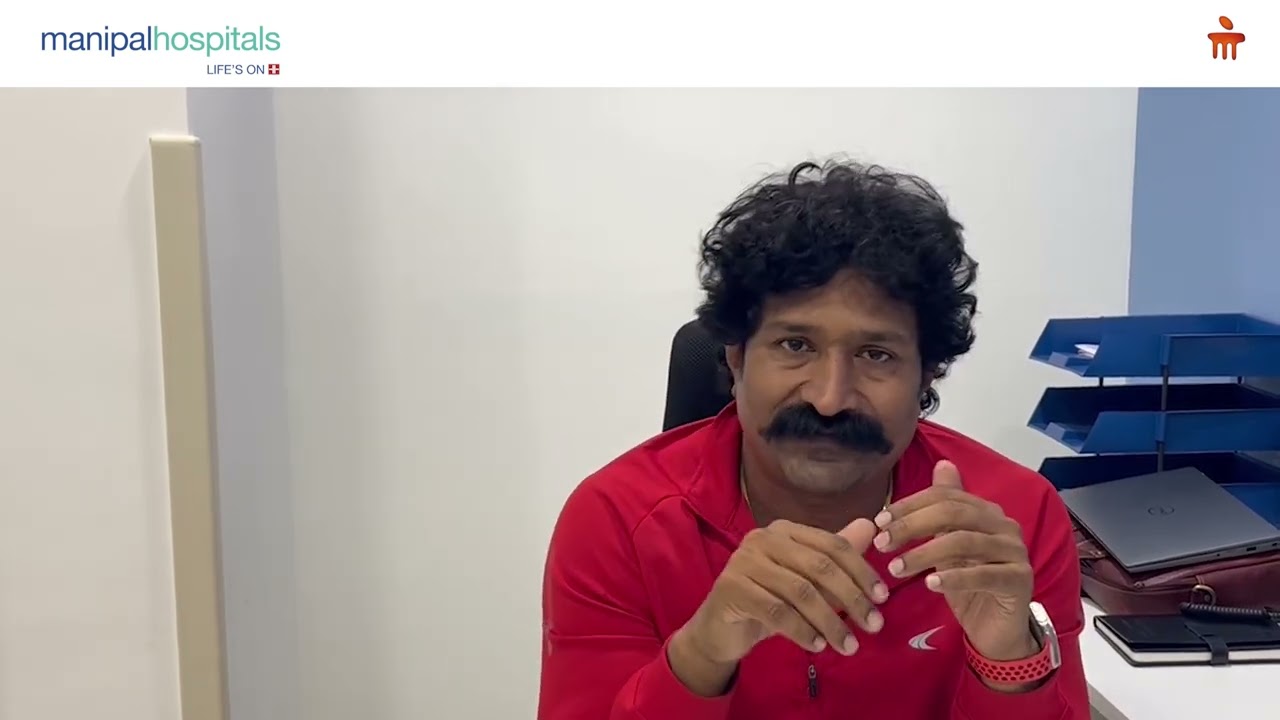
Pravin Vitthal Tarde, a renowned Marathi actor, director and writer, visited Manipal Hospital for a regular health checkup. Dr Prasad Biware- Consultant - Internal Medicine, Dr Abhijit Joshi- Head Of The Department And Consultant -Cardiology and Dr Anand Jadhav, Head Of The Department And Consultant - Orthopaedics, made Pravin feel at ease throughout the checkups. Pravin praises the comprehensive care, excellent facilities and amazing staff at Manipal Hospitals. Welcome to Manipal Hospital, Baner, Pune, another gem in the long line of clinical excellence from the Manipal Healthcare Enterprises. One of India's leading hospital chains which offer state-of-the-art medical technology, is performance-driven, and patient-centric at the core, backed by evidence-based expertise. The hospital provides a wide range of healthcare services, both diagnostic and therapeutic. The unit is our first greenfield project in Pune. The journey of India’s leading and largest network of Multispecialty Private Hospitals, The Manipal Hospitals Group was started in the year 1991 with no turning back. The hospital network has continuously grown forward in the direction of innovating the healthcare services in India around patient centricity and empathetic care. With sincere dedication towards the field of medical research and healthcare with human touch, Manipal hospitals, and their commitment to excellence has grown to acquire a distinction among healthcare service providers in India. Facilities available at Baner, Pune Manipal Hospital are of the highest international medical standards to ensure patient care of the highest standards. The facility is designed to serve the medical needs of a multitude of patients from around the world.

The homocysteine test measures the level of homocysteine in the blood, which can indicate various health conditions.
Expert answers from our medical team
Basic screening from age 30-35 for South Asians: BP, fasting sugar and HbA1c, lipid profile, waist measurement, family history assessment. From 40: consider an ECG as baseline. Not routinely needed for the general asymptomatic population: stress tests, echocardiograms, coronary calcium scores. These are added for specific concerns or higher-risk profiles. A cardiologist tailors this.
For adults with intermediate cardiac risk (based on age, family history, cholesterol, and other factors) where the decision to start a statin is unclear, yes — it can meaningfully refine the risk estimate. Not routinely for very-low-risk younger adults or those with clear indications for treatment. Talk to a cardiologist about whether it changes what you'd do anyway.
Chest pain or pressure (especially with exertion, radiating, or accompanied by breathlessness or sweating), unexplained breathlessness, sudden onset palpitations lasting minutes or hours, fainting, or severe swelling in the legs. New shortness of breath while doing things you previously did easily is a warning sign that shouldn't be dismissed. Chest pain lasting minutes is emergency — call 108, don't drive.
For catching atrial fibrillation (an irregular heart rhythm) in people at risk, yes — they've genuinely saved lives. For chest pain evaluation or diagnosing heart attacks, no — they're not accurate enough. False positives (the watch flags a rhythm that turns out to be nothing) are common and cause anxiety. Useful adjunct for specific purposes; not a replacement for proper cardiac evaluation when needed.
Family history raises risk but doesn't determine outcome. The high-leverage moves matter more with family history: earlier and more frequent screening, aggressive management of any risk factors (BP, cholesterol, diabetes, weight), no tobacco, regular exercise, healthy diet. Some hereditary conditions (familial hypercholesterolaemia) need specific treatment often earlier and more aggressively than average-risk people.
Questions from our community members
Ask our medical community. Your question may help others with similar concerns.
Specialists across India