
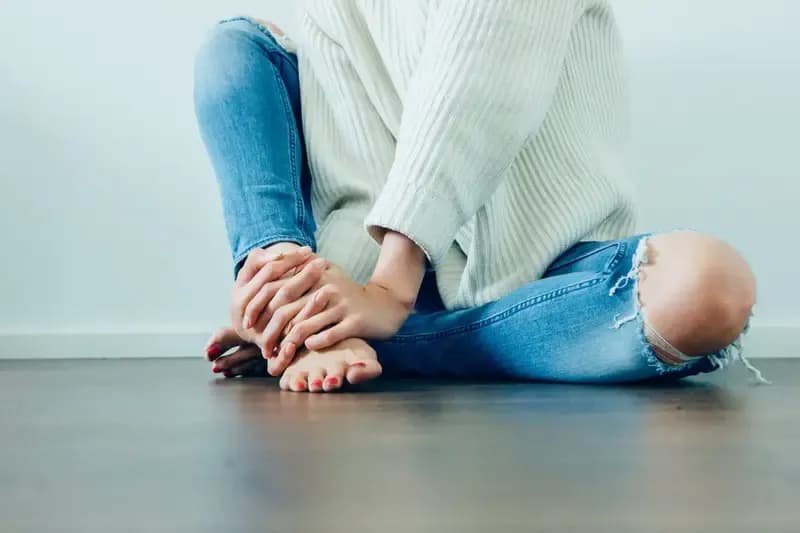
Introduction: Understanding Leg Swelling in the Elderly
Leg swelling, or edema, in elderly individuals is a common condition that can arise from a variety of causes. This swelling is typically characterized by an accumulation of fluid in the tissues of the lower legs, ankles, and feet. Understanding the underlying reasons for this swelling is crucial in managing the condition effectively and ensuring the overall well-being of seniors.
Home Remedies and Lifestyle Changes for Managing Swelling
Managing leg swelling often involves simple home remedies and lifestyle adjustments. Elevating the legs above heart level several times a day can help reduce swelling by improving circulation. Regular, gentle exercise like walking or swimming can also stimulate blood flow in the legs. Compression stockings may be beneficial in providing relief by applying gentle pressure to the legs and promoting blood flow back to the heart. Additionally, reducing salt intake can help decrease fluid retention, which often contributes to swelling.
Preventative Measures to Minimize the Risk of Leg Swelling
Preventing leg swelling in the elderly involves a combination of healthy habits and awareness. Regular physical activity, maintaining a balanced diet, and managing body weight can significantly reduce the risk of swelling. Keeping the legs elevated when sitting for long periods and avoiding crossing the legs can also help. Regular check-ups with a healthcare provider are important to monitor and manage any underlying health conditions that could contribute to swelling.








Comments (0)