Diabetes Management Using a Sliding Scale Insulin Chart
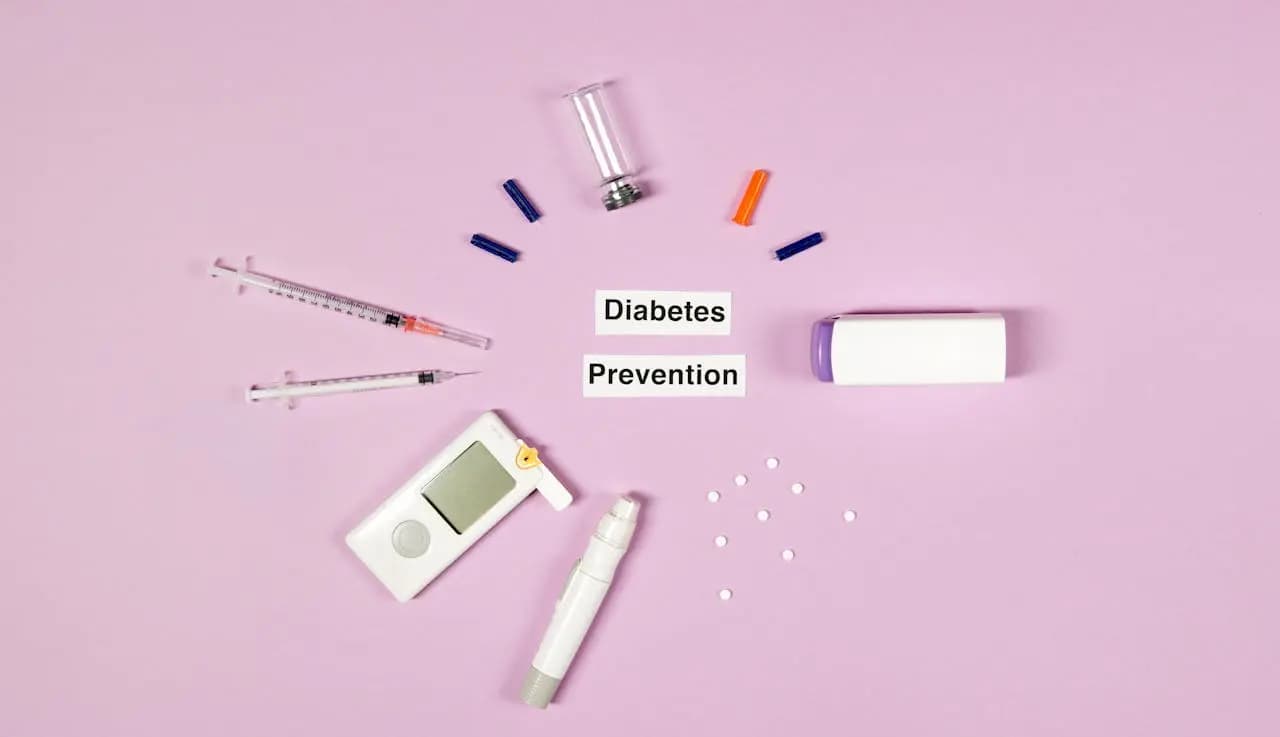
Diabetes management is a meticulous balancing act involving the regulation of blood sugar levels to prevent both short and long-term complications.

Diabetes Control covers managing type 2 diabetes day to day — blood sugar monitoring, medication, diet adapted for Indian meals, exercise, and preventing the long-term complications affecting eyes, kidneys, feet, and heart. Our doctors and editorial team explain what good control looks like, how to interpret your numbers, and the practical changes that move them.
Last reviewed: 11 August 2026
Diabetes management is a meticulous balancing act involving the regulation of blood sugar levels to prevent both short and long-term complications.

Navigating diabetes management or simply maintaining awareness of one's blood sugar levels requires understanding and utilizing a variety of tools, one of the most crucial being the blood sugar conversion chart.
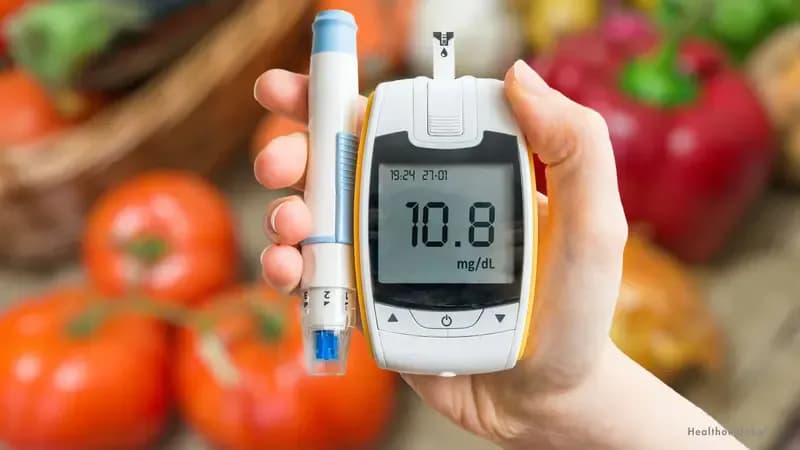
Diabetes is a chronic condition that requires comprehensive management to ensure a high quality of life.

A nursing care plan for diabetes mellitus focuses on assessing, diagnosing, and implementing strategies for effective management. Learn how to optimize patient care and prevent complications.
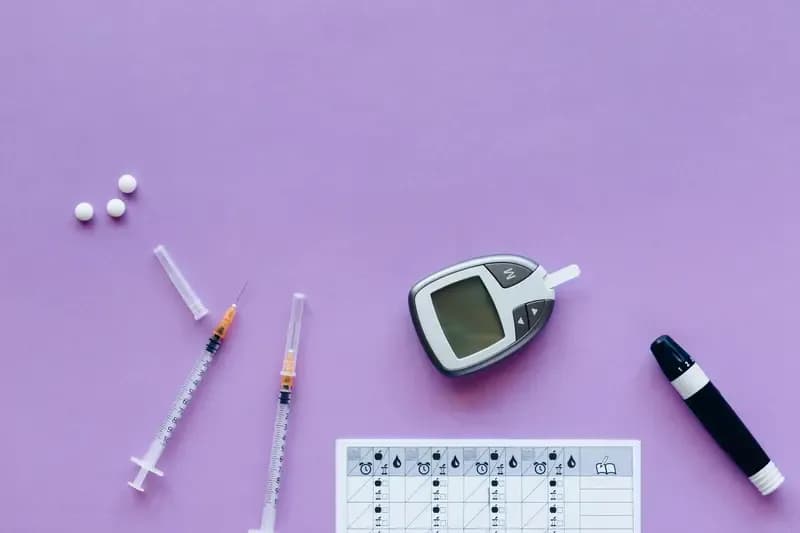
Insulin therapy is pivotal for managing both Type 1 and Type 2 diabetes.

Understanding which foods to avoid while taking Trulicity is crucial for effective diabetes management. Learn about dietary restrictions and better food choices.
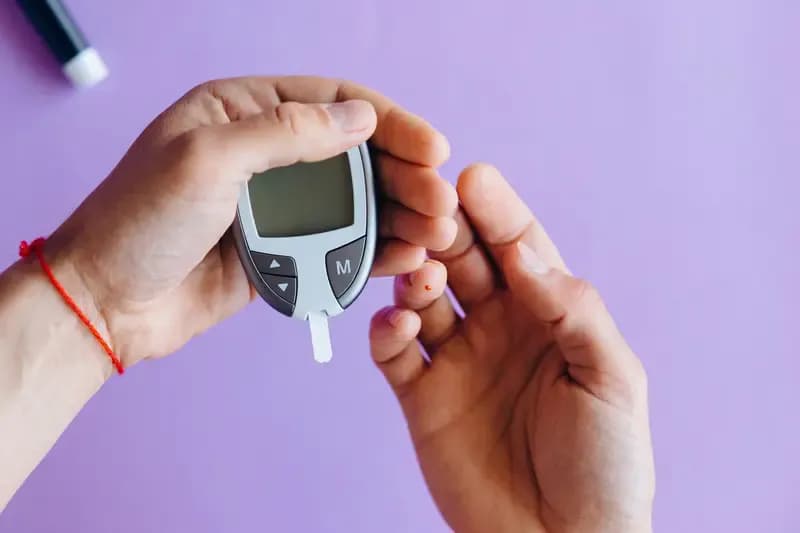
Diabetes and prediabetes are growing concerns worldwide. Discover how natural strategies, including diet, exercise, and lifestyle changes, can effectively help manage blood sugar levels.

For individuals with diabetes, managing sugar intake is a critical aspect of maintaining overall health. Sugary foods such as cola, candy, ice cream, and cereals are not just tempting; they can be addictive, leading to withdrawal symptoms like anxiety and mood swings when reduced or eliminated from the diet.
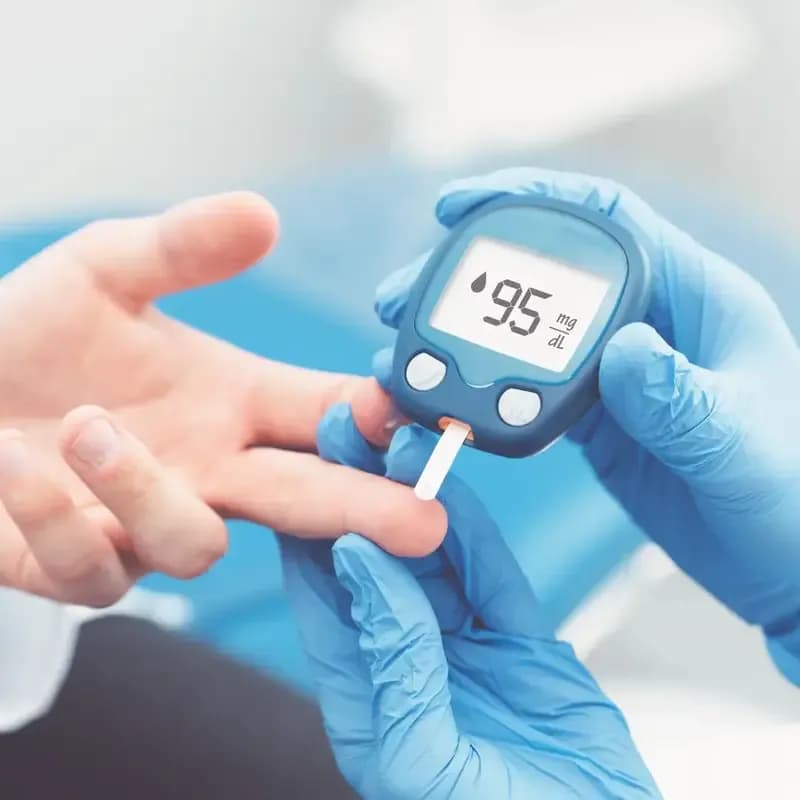
Blood sugar levels play a crucial role in overall health, especially for individuals managing conditions like diabetes.
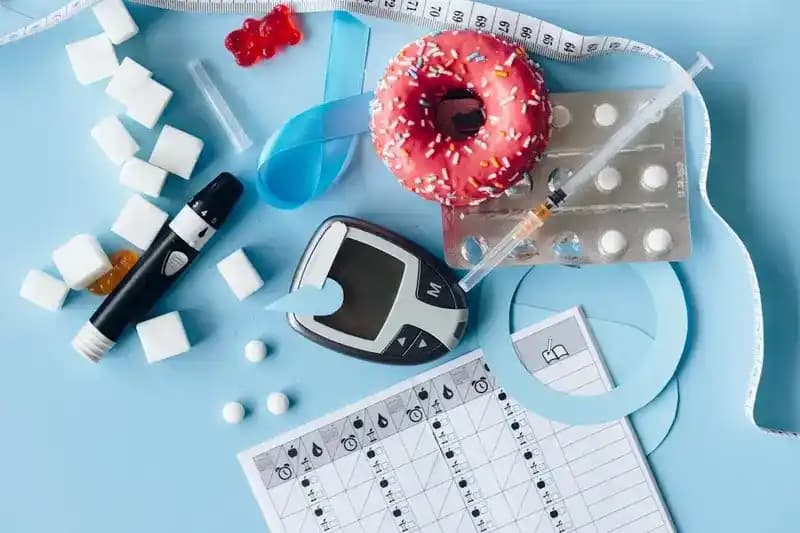
Diabetes is a chronic condition characterized by high blood sugar levels. It occurs when the body either does not produce enough insulin or is unable to use the insulin it produces effectively.

Discover a detailed Indian diet chart for diabetic patients, complete with expert meal planning tips, food options, and lifestyle habits to manage diabetes effectively.

Myth vs Fact: Will Stopping Sugar Intake Cure Diabetes?There is a common belief that simply cutting out sugar can stop diabetes. Let’s understand the facts.Myth: Diabetes will go away if you stop eating sugar. Fact: Diabetes is a complex metabolic condition, not just a result of sugar intake. While reducing added sugars can help manage blood sugar levels, effective diabetes management requires a balanced approach that includes medication (when prescribed), regular physical activity, and a healthy diet. Stopping sugar alone does not cure diabetes.Myth: Only sugary foods impact blood sugar levels. Fact: Carbohydrates in various forms, such as bread, rice, pasta, and fruits, also affect blood sugar levels. Proper diabetes management involves balancing total carbohydrate intake, not just avoiding sweets.Myth: Cutting out sugar prevents Type 2 diabetes. Fact: Although reducing sugar intake supports a healthier lifestyle, other factors such as genetics, body weight, and physical activity levels also significantly influence diabetes risk. A comprehensive and balanced approach is essential.Diabetes management involves more than simply eliminating sugar. A structured and consistent plan is key to maintaining healthy blood sugar levels.General Advice: If you have any medical concerns, please consult your doctor as soon as possible. For assistance, CALL US NOW at: 07556603344

There’s a reason diabetes is called a silent disease. Most people don’t even realise something’s wrong until years later — when the damage is already done. It doesn’t always start with the “classic” symptoms you hear about, like excessive thirst or frequent urination. Sometimes it’s just small things you barely notice: feeling unusually tired, a cut that takes longer to heal, or waking up with a dry mouth. Easy to ignore, right? That’s how it sneaks in quietly. What’s scarier is that it’s not just an “older person’s problem” anymore. These days, more and more young adults — even teenagers — are being diagnosed. Long hours at desks, ready-to-eat meals, stress, and late-night screen time are all quietly adding fuel to the fire. Here’s the thing: you don’t need to wait for symptoms. A simple blood sugar check once or twice a year can catch issues early. If diabetes runs in your family, it’s even more important. And no, you don’t need to turn your life upside down — small changes like swapping a fizzy drink for water, adding a 20-minute walk to your day, or getting decent sleep can go a long way. Diabetes doesn’t announce its arrival. But you can stay a step ahead — by listening to your body and taking action before it’s too late.

Learn practical strategies to effectively manage your diabetes and gain better control over your blood sugar levels. This guide offers actionable tips for daily living.

A black toenail in someone with diabetes isn't always minor. Learn the potential causes, why diabetes increases concern, and when to consult a healthcare professional.
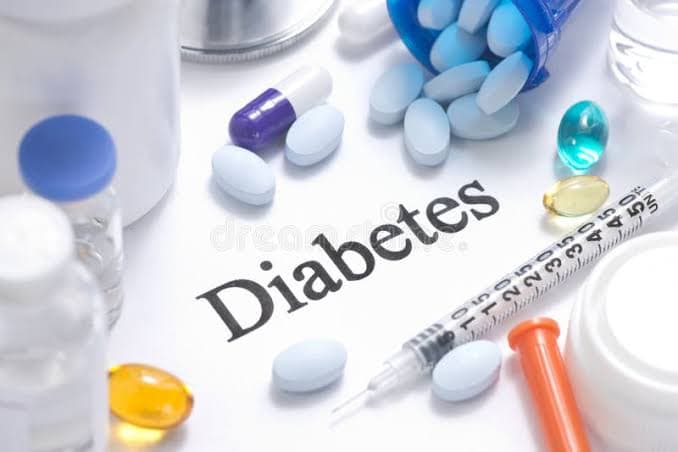
Diabetes, especially type 2, can develop gradually with subtle symptoms. Recognizing patterns of thirst, urination, fatigue, and other changes is key to early detection.

Postprandial drowsiness, or feeling sleepy after eating, could be more than just a common experience. Learn whether it signals diabetes and how to manage it effectively.

In the journey towards optimal health, understanding the relationship between physical activity and blood sugar levels is crucial.
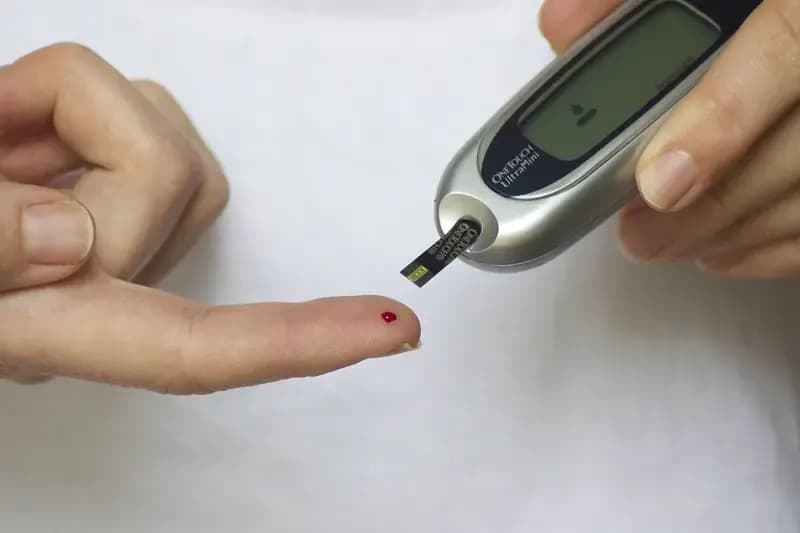
Explore the relationship between jaggery and diabetes, uncover the truth about its impact on blood sugar, and discover diabetes-friendly sweetener alternatives.

Managing diabetes effectively involves careful dietary planning, especially within the context of traditional Indian cuisine, which is rich in carbohydrates.

Diabetes is a widespread chronic condition that affects millions of people worldwide. It's characterized by elevated blood sugar levels, which can lead to various health issues.

Tips for Managing Diabetes and Staying HealthyTake control of your diabetes and prioritize your health with NIRMAL AYURVED. Follow these essential tips to manage diabetes effectively and lead a healthy lifestyle. Start by adopting a healthy eating plan, staying physically active, and monitoring your blood sugar levels regularly. Don't forget to keep up with regular check-ups to ensure your diabetes is well-managed. With NIRMAL AYURVED's expertise in Ayurvedic medicine, you can explore holistic approaches to managing diabetes and improving your overall well-being. Take charge of your health today and embrace a healthier future!

Myth vs Fact: Diabetes and Sugar ConsumptionMyth: Diabetes only happens to those who eat too much sugar.Fact: Eating sugar alone does not directly cause diabetes. Diabetes is a complex condition influenced by several factors, including genetics, lifestyle, body weight, and overall diet. While excessive sugar intake can contribute to weight gain, which increases the risk of type 2 diabetes, it is not the sole cause of the disease.Key Takeaway: Consuming sugar in moderation does not automatically lead to diabetes. Maintaining a balanced diet, staying physically active, and keeping a healthy weight are essential steps in reducing the risk of type 2 diabetes. Awareness and informed choices play a vital role in prevention.General Advice: If you have any medical condition, please consult your nearest healthcare provider, hospital, or doctor as soon as possible. Contact: 7566003344

Living with diabetes doesn't mean you must sacrifice enjoying food.

Maintaining healthy blood sugar levels is essential for overall well-being. In this video, the doctor highlights five foods that can help naturally support blood sugar control: 🥬 Leafy Greens 🌿 Cinnamon 🍓 Berries 🌾 Whole Grains 🥑 AvocadoThese foods are rich in fiber, antioxidants, and essential nutrients that help stabilize glucose levels and support better metabolic health.Remember, a balanced diet, portion control, and regular physical activity are key to managing blood sugar effectively. 🎥 Watch the video to learn how these foods can benefit your health.

Managing diabetes requires careful attention to diet, as what you eat significantly impacts blood sugar levels, kidney health, and overall well-being.

Caring for elderly family members with diabetes can be a challenging but rewarding experience.

Disha for Diabetes Awareness: Diabetes continues to impact millions across India. In this second video, Dr. Suruchi Mandrekar, a leading diabetologist, shares more important insights on managing and understanding diabetes. Please watch.
Disha for Diabetes Awareness: Diabetes is one of the most rapidly growing health concerns in India. In this first video, Dr. Suruchi Mandrekar, a leading diabetologist, shares key insights about diabetes. Watch to learn more.

Apart from many other causes, stress is one of the important factors of diabetes in many people. Stress increases the cortisol levels and in turn, it increases the blood sugar level. Owing to this, a person who is in stress for a prolonged period develops the symptoms of diabetes. Talk to Dr. Prashant Jain (MD. Ayu.) on how to control your stress levels now and manage diabetes.Get a free stress evaluation on: www.nirmalayurved.co.in/aatman

Case study: How Zocvi enables monitor Blood Pressure and Blood Sugar monitoring for parents in India

Fast food is convenient but can impact health. Learn about fast food news, healthy options, gluten-free choices, and the best fast food deals while maintaining a balanced diet.

This is our in-depth guide on intermittent fasting for seniors, specifically tailored to enhance health and manage diabetes for those over 50.

Maintaining a healthy diet is crucial for preventing chronic diseases, boosting immunity, and promoting overall well-being.

Myth vs Fact: Sugar-Free Sweets and Ice CreamMyth: Sugar-free sweets and ice creams are healthy alternatives.Fact: Sugar-free does not always mean healthy. These products may contain artificial sweeteners, unhealthy fats, or excessive calories that can negatively impact your health if consumed in large quantities. It is important to check ingredient labels and monitor portion sizes, as overconsumption can still contribute to weight gain and other health concerns.Key TakeawayNot all sugar-free treats are completely guilt-free. Moderation is essential. Focus on balanced nutrition and include whole, nutrient-rich foods as part of a healthy lifestyle.General Advice: If you have any medical condition, please consult your nearest healthcare provider, hospital, or doctor as soon as possible. Contact: 7566003344
Expert answers from our medical team
For most adults with diabetes, an HbA1c under 7% is the general goal — but targets are personalised. Younger patients with recent diagnosis and no other conditions may aim lower (6.5%); older patients or those with heart disease may aim slightly higher (7-7.5%) to reduce the risk of dangerous low sugars. Discuss your target with your doctor rather than treating one number as universal.
Yes — with portion control and better choices. Whole-grain options (brown rice, hand-pounded rice, millet rotis, ragi) release sugar more slowly than refined white versions. What helps most: measure your portion, add protein and vegetables to every meal, and don't have rice and roti at the same meal. The 'no rice' rule that some doctors give is often unnecessary and hard to sustain.
It depends on your treatment. On insulin or sulfonylurea, check before meals and at bedtime, at least a few days a week. On metformin only, once or twice a week may be enough. HbA1c every 3-6 months regardless. If sugars are unstable, more frequent checking is worthwhile until things settle.
Blurred vision, numbness or tingling in feet, non-healing wounds (especially on feet), foamy urine, swelling in ankles, chest pain or unusual breathlessness, and unexplained weight loss. Diabetes complications are silent for years — which is why annual eye checks, kidney function tests, and foot exams matter even when you feel fine.
In some people diagnosed recently, significant weight loss (usually 10-15 kg or more) can bring blood sugars into the normal range without medication — this is called remission. It's more likely in people who are within a few years of diagnosis and overweight. Even where full remission isn't possible, weight loss almost always makes diabetes easier to manage. It requires medical supervision, especially if you're on insulin.
Questions from our community members
Ask our medical community. Your question may help others with similar concerns.
Verified specialists across India