
Introduction
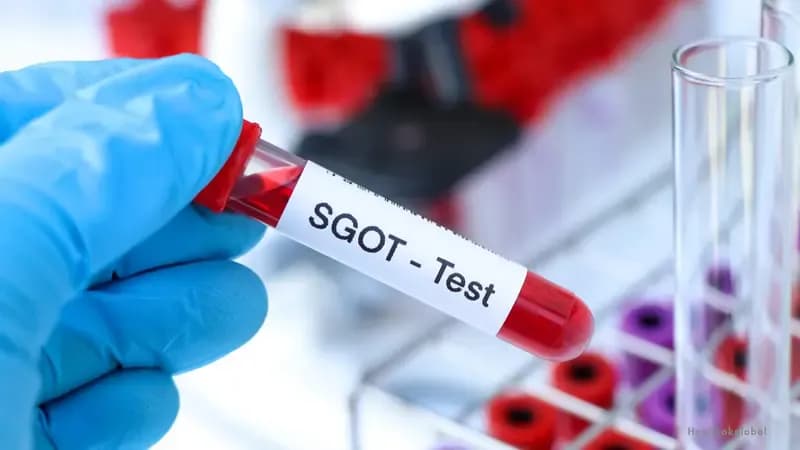
Elevated SGOT levels can indicate liver damage or other health conditions, making it essential to understand their causes and implications. Serum Glutamic-Oxaloacetic Transaminase (SGOT), also known as Aspartate Aminotransferase (AST), is an enzyme found in the liver and other tissues. This article explores what high SGOT levels mean, their causes, how they are diagnosed, and the steps for treatment.
What is SGOT?
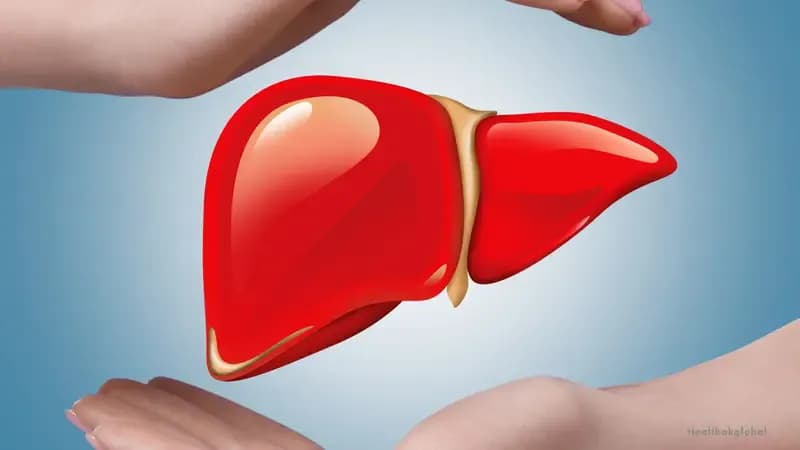
SGOT, or Aspartate Aminotransferase (AST), is an enzyme that plays a crucial role in amino acid metabolism. It is primarily found in the liver but is also present in the heart, muscles, kidneys, and brain. SGOT is released into the bloodstream when cells in these tissues are damaged, making it a valuable marker for detecting tissue damage, particularly in the liver.
Normal Range of SGOT
The normal range of SGOT can vary slightly depending on the laboratory and measurement methods used. Generally, the normal range for SGOT is as follows:
10-40 units per liter (U/L)
Men:
7-35 units per liter (U/L)
Women:
Causes of High SGOT Levels
Elevated SGOT levels can result from various conditions that cause tissue damage. Common causes include:
Conditions such as hepatitis, fatty liver disease, cirrhosis, and liver cancer can cause elevated SGOT levels due to liver cell damage.
Liver Diseases
Heart attacks and other cardiac conditions can release SGOT into the bloodstream due to damage to heart muscle cells.
Heart Conditions
Muscle injuries, myopathies, and conditions like rhabdomyolysis can cause elevated SGOT levels due to muscle cell damage.
Muscle Disorders
Pancreatitis and other pancreatic disorders can lead to elevated SGOT levels.
Pancreatic Diseases
Excessive alcohol consumption can damage liver cells, resulting in elevated SGOT levels.
Alcohol Consumption
Certain medications, such as statins, antibiotics, and nonsteroidal anti-inflammatory drugs (NSAIDs), can cause liver damage and increase SGOT levels.
Medications
Other conditions, such as infections, metabolic disorders, and autoimmune diseases, can also lead to elevated SGOT levels.
Other Conditions
Symptoms of High SGOT Levels
Symptoms associated with high SGOT levels depend on the underlying cause of the tissue damage. Common symptoms include:
Yellowing of the skin and eyes due to liver dysfunction.
Jaundice
Persistent tiredness and lack of energy.
Fatigue
Pain or discomfort in the upper right side of the abdomen.
Abdominal Pain
Feeling sick and vomiting, often associated with liver or gastrointestinal conditions.
Nausea and Vomiting
Dark-colored urine due to elevated bilirubin levels.
Dark Urine
Swelling in the abdomen or legs due to fluid retention.
Swelling
Diagnosis of High SGOT Levels
Diagnosing the cause of high SGOT levels involves several steps, including:
A detailed medical history to identify potential causes of liver or tissue damage.
Medical History
A physical examination to assess for signs of liver disease, heart conditions, or other related issues.
Physical Examination
Blood tests to measure SGOT levels and other liver enzymes, such as SGPT (ALT), alkaline phosphatase, and bilirubin.
Blood Tests
Imaging studies, such as ultrasound, CT scan, or MRI, to visualize the liver and other organs.
Imaging Studies
In some cases, a liver biopsy may be necessary to assess the extent of liver damage and determine the underlying cause.
Liver Biopsy
Treatment of High SGOT Levels
Treatment for high SGOT levels focuses on addressing the underlying cause of the tissue damage. Common treatment approaches include:
Prescribing medications to treat the underlying condition, such as antiviral drugs for hepatitis or medications to manage heart conditions.
Medications
Implementing lifestyle changes, such as reducing alcohol consumption, maintaining a healthy diet, and engaging in regular physical activity.
Lifestyle Changes
Regular monitoring of SGOT levels and other liver function tests to assess the effectiveness of treatment and make necessary adjustments.
Monitoring
In some cases, surgical interventions may be necessary to address the underlying cause of elevated SGOT levels, such as removing gallstones or treating liver tumors.
Surgical Interventions
Prevention of Elevated SGOT Levels
Preventing elevated SGOT levels involves adopting healthy lifestyle practices and managing existing health conditions effectively:
Eating a balanced diet rich in fruits, vegetables, whole grains, and lean proteins while avoiding processed foods and excessive fats.
Healthy Diet
Engaging in regular physical activity to maintain a healthy weight and support overall health.
Regular Exercise
Limiting or eliminating alcohol consumption to prevent liver damage.
Avoiding Alcohol
Using medications responsibly and under the guidance of a healthcare provider to avoid potential liver damage.
Medication Management
Regular medical check-ups to monitor liver function and detect any abnormalities early.
Regular Check-Ups
Conclusion
High SGOT levels can indicate various health conditions, particularly those affecting the liver. Understanding the causes, symptoms, and diagnostic steps is crucial for effective management and treatment. By adopting healthy lifestyle practices and seeking timely medical care, individuals can prevent and manage elevated SGOT levels, ensuring better overall health and well-being.
About Zocvi
Zocvi connects patients with verified doctors and evidence-based health guidance. Visit zocvi.com or reach us on WhatsApp at +91-92724-57637.



Comments (0)