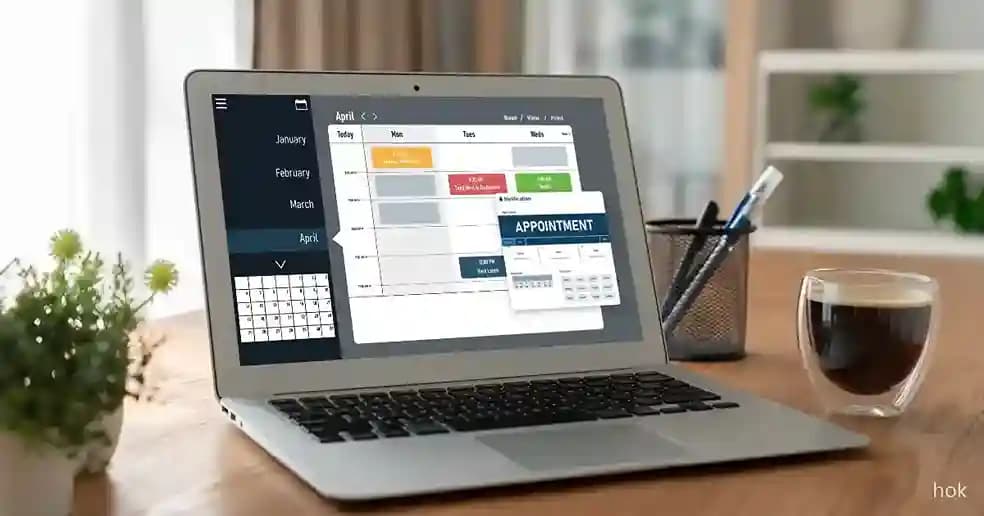
Boosting Appointment Efficiency: Tactics to Reduce Patient Wait Times

Boosting Appointment Efficiency: Tactics to Reduce Patient Wait Times

Overview

Patient wait times drain satisfaction and clinic revenue. This guide provides actionable strategies—from smart scheduling to workload analysis—to help Indian clinics improve appointment efficiency and throughput.

Introduction

Long patient wait times are a common frustration in Indian clinics. Beyond affecting patient satisfaction, delays reduce revenue and stress staff. This guide explains how smart appointment systems and workflow automation can help streamline operations.

1. Use Smart Appointment Scheduling Software

Traditional methods don't account for variability in consultation times. Modern scheduling tools allocate slots based on doctor availability, visit type, and historical duration patterns. Smart scheduling meaningfully reduces average wait times and boosts throughput per doctor-hour, especially in high-volume clinics.

2. Automate Pre-Visit Workflows

Delays often begin before the consultation starts. Automating pre-visit steps — appointment reminders, patient intake forms filled digitally before arrival, insurance verification — reduces patient confusion at check-in and keeps the day on schedule. The 10 minutes saved at check-in compounds across a day.

3. Optimise Slot Allocation Based on Visit Type

Not all visits are equal. A routine follow-up may need 5-8 minutes; a new case takes 20+ minutes; a procedure or counselling visit may need 30-45.
  • Categorise visit types clearly (routine follow-up, new case, procedure, counselling)
  • Assign standard slot durations per category
  • Enforce the categorisation at booking — patient or front-desk must specify visit type
Uniform 15-minute slots across all visit types is the single most common source of schedule drift in Indian clinics.

4. Analyse Peak Load Times and Adjust Staff Scheduling

Use booking-history data to identify high-traffic hours and days. Align front-desk and support staff to demand — a clinic that runs 3 staff at 9am when peak demand hits 11am creates its own bottlenecks. Adjustments don't need to be dramatic; even shifting one staff shift by an hour materially improves flow.

5. Create Fail-Safe Buffers in Your Daily Calendar

Delays are inevitable. Insert unassigned buffer slots every few hours to absorb overruns from emergencies, long consults, or walk-ins. Without buffers, one 10-minute overrun cascades into every subsequent appointment. Two 15-minute buffers per day usually cover most days; on busy specialities, plan for more.

Conclusion: Optimise Continuously

Improving appointment efficiency is an ongoing process. Measure current wait times monthly, identify the single biggest cause of delay, fix it, measure again. Small improvements compound across a year; big-bang scheduling overhauls usually fail because they don't survive the first difficult day.

About Zocvi

Zocvi connects patients with verified doctors and evidence-based health guidance. Visit zocvi.com or reach us on WhatsApp at +91-92724-57637.


Follow Zocvi

Stay connected with Zocvi for expert health advice. Follow us on Facebook, LinkedIn, and Instagram.

Frequently Asked Questions

What's a reasonable patient wait time target for a clinic?

Targets vary by specialty and patient volume, but most clinics aim to keep average wait under 15-20 minutes for scheduled visits. Longer waits materially hurt patient satisfaction and drive negative reviews. Track your actual median wait time (not the average, which averages get skewed by outliers) and improve from there rather than adopting an arbitrary industry number.

How can I reduce walk-in disruptions in a scheduled clinic?

Designate separate walk-in hours or use real-time queue management tools that dynamically update based on schedule availability.

Does appointment scheduling impact clinic revenue?

Yes. Better scheduling means more patients seen per hour, less staff idle time, and improved revenue per visit metrics.

What's the single change that most reduces patient wait time in a clinic?

Categorising visit types and enforcing different slot durations per category. Most Indian clinics book uniform 15-minute slots for every visit regardless of complexity — a routine follow-up and a new-case consultation take vastly different times. Fixing this alone usually cuts average wait time by more than any single scheduling-software feature.

Questions About This Article

Have a question? Ask the author directly.

Have a question about this article?

Ask Zocvi Editorial directly. Your question may help others with similar concerns.

Q:1 answer
Q:1 answer
Q:1 answer
Q:1 answer

Comments (0)

Found this helpful? Share it!

LinkedInWhatsApp

More from Zocvi Editorial

Other Articles You May Like

Find a Doctor for Clinical Outcomes

Verified specialists across India

Dr. Saloni Kabra

Homoeopath

7 yrs

Indore

Homeopathic Hooman Clinic
Chhatribag, Near Shri Devi Ahilya Shishu Vihar School, Indore, Madhya Pradesh, 452002
₹800 consultation
EmailWhatsApp

Dr. Ambuj Arora

Dentist

12 yrs

Muzaffarnagar

12, Dr Suresh Medical Complex, Bhagat Singh Road, Muzaffarnagar
Nabab Ganj, Muzaffarnagar, Uttar Pradesh, 251002
₹250 consultation

Dr. Rajan Bhargava

ENT Specialist

30 yrs

Kanpur

Dr. Rajan Bhargava Clinic
Brahm Nagar, Kanpur, Uttar Pradesh, 208012
₹700 consultation

Dr. Krishna Singh

Pulmonologist & Chest Physician

16 yrs

Bhopal

Siddhanta Red Cross Superspeciality Hospital
Nayapura, Bhopal, Madhya Pradesh, 462030
₹500 consultation